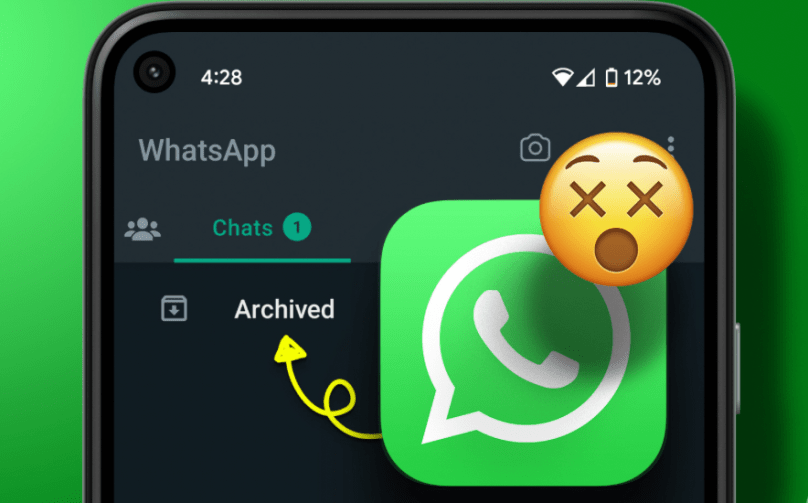
The WhatsApp Graveyard – The Hidden sadness behind the Archived chats.

There’s a sadness attached to the WhatsApp archived box that I don’t think people talk about enough. For me, it isn’t just a folder. It isn’t a feature. It isn’t even practical….

It’s a graveyard.

A quiet cemetery of conversations that once lit up my screen, once lit up my heart, once got me all excited, and then, slowly, silently – went dark. Every time I open it, I’m reminded not just of people I’ve spoken to, but people I had hope for. People who came, touched my life for a moment, said all the right things, and then floated out just as easily.

And I ask myself:

‘Kerry how did we end up here?’ How did words that felt full of potential turn into silence? How did light turn into dimness?

What the Archived Box Means to Me

The archived box feels like the place I put people when I can’t bear to see them dwindle down my chat list. Watching someone slide further and further down, past the group chats, past the random acquaitance chats, past the family you rarely reply to, is painful. It’s a visual reminder of how long it’s been since they cared enough to speak… or since I cared enough to try again.

I don’t like putting people in the archived box. I don’t enjoy the symbolic burial of a conversation that once mattered, but sometimes keeping them in my main inbox hurts even more, because every day they drift further down, it’s like watching a candle burn out in slow motion.

So I archive them, Not because I don’t care, But because maybe… I care too much.

“Out of sight, out of mind” never really works – but it gives me a moment of peace.

Why We Put People There – Psychologically Speaking

From a psychologist point of view, the archiving someone is a coping mechanism. It’s emotional self-preservation. It’s the digital version of pushing a painful memory into a drawer so it doesn’t stab you every time you pass it.

However as you know I love to do this, let’s break it down, Here’s what’s actually happening:

We’re protecting ourselves from dopamine withdrawal

When communication drops, dopamine drops. It feels like a crash. We’re wired to attach to patterns of attention, affection, and consistency… and when that suddenly stops, the brain reads it as rejection, danger, loss, and fuck me, it starts to hurt!

Archiving becomes a way to minimise triggers. In a way it’s managing pain rejection. Even psychology textbooks say the brain processes social rejection like physical pain. Seeing their name every time we open the app hurts. Archiving puts a plaster on the bruise.

We’re grieving potential – not just a person

We call this ambiguous loss. It’s grief with no closure.

The archive holds:

  • potential relationships that never became real
  • stories that could have been beautiful
  • versions of people we hoped they were
  • versions of ourselves we were becoming

When someone pulls away, we feel powerless. Archiving gives us one small act of agency and dignity…

One small click that says: “I won’t let this hurt me every day.”

The Hope That Lives in the Archive

What makes it even sadder is that the archived box isn’t just grief – it’s hope. Every time a WhatsApp notification pops up, there’s a flicker of excitement. A tiny spark. A second of wondering if one of the voices from the archive has come back to life.

And sometimes… it’s just AliExpress… That sigh of disappointment says everything. Just seeing that (1) feels like a gamble, like Russian Roulette.. The archived box is where hope and heartbreak sit next to each other, quietly. Sad isn’t it.

So I know you’re wondering, what chats and who are in your archived Kerry.. it’s very simple

My Ex Husband (RIP), My best friend who passed 7 years ago, 4 Old business chats, Two men I fell for, and 6 men I got bored of chat with, and one who didn’t know if he was coming or going… 2017 – 2025!

When Do I Decide to Archive Someone?

For me, it’s when communication starts to hurt more than it feels good. When messages slow.When replies turn into half-hearted sentences. When 10 minute podcasts turn into ‘You ok’ … Noooo Inconsistency and emotional immaturity, does not work for me! Sorry but true!

When someone who once told you they liked you begins to backtrack internally… inventing flaws in you that don’t exist, inventing “I’ve been busy”, “I’ve got so much on” , bull shit with the excuses hun, In or OUT, it’s simple.. we don’t do bread crumbing!

That’s when I archive… NOT because I want to, but because watching the decline pains me, I see it as a Soft goodbye, a gentle retreat, it could have been.. but you fucked it mate! It’s my way of saying, I deserve more!!

Are We in Someone’s Archived Box Too?

We’ll never know for sure, but we know when communication drops. We know when someone judges us silently. We know when enthusiasm fades.

And the sad truth is:

we end up in their archive the same way they end up in ours – through silence, avoidance, miscommunication, fear, or simply choosing someone else.

The Graveyard of “Almost” Relationships

When I scroll through my archive, it feels like looking at a cemetery of could-have-beens.

People I let go, People who let me go. Opportunities that slipped away, Men who chose the wrong partner over me and now speak about feeling unloved, stay in my orbit, like I am the one that got away… No Darling, you let me get away!

I sit there thinking:

If you were that unhappy… why didn’t you see me? Why didn’t you realise I’m the opposite of everything that broke you? Why didn’t you recognise sincerity when it stood right in front of you?

They didn’t. The sad thing is by the time people realise they want you, their games and inconsistency, the communication stopping…

Me being archived… Or they being archived… It’s all just a digital tombstone for a story that might have been.

Maybe the Archive Tells Us More About Them Than About Us

In the end, people often put themselves in the archived box through:

  • mixed signals
  • fear
  • avoidance
  • emotional immaturity
  • choosing comfort over connection
  • choosing chaos over calm

And maybe that’s the real graveyard – not the WhatsApp folder, but the emotional space inside someone who never let themselves love fully. Those miss out, because out of self preservation, they talk theirselves out of real happiness, and maybe you could of helped them to find real happiness..

As much as the archive feels like a graveyard, I’m learning that I don’t have to keep visiting it like a mourner. Moving on isn’t about deleting people – it’s about understanding why the story didn’t progress and why that’s okay…

How I heal, and how I move on…

1. I Accept That Silence Is an Answer

Lack of communication is communication. Confusion is clarity.

2. I Focus on My Behaviour, Not Theirs

I can’t control why someone pulled away – but I can control how I respond.

3. I Reduce Triggers Without Punishing Myself

Archiving is a soft boundary, not a failure.

4. I Let Myself Feel the Micro-Grief

Losing potential hurts – but only for a moment, not forever.

5. I Remember That Genuine Connection Doesn’t Need Forcing

The right person won’t need convincing, won’t need chasing, just to boost their own ego, they could feel scared of the whole situation, but you know what… They still show up!

6. I Let New Conversations Start Fresh

Healing is attachment repair, not emotional replacement.

7. I Rewrite the Meaning of the Archive

It’s not a grave anymore.

It’s a record of how I’ve grown.

And that’s where the shift begins: when you stop chasing the ones who keep you guessing and start choosing the ones who make you feel safe, seen, and certain. When you realise that consistency isn’t boring – it’s calming. That genuine interest isn’t overwhelming – it’s reassuring. That real connection doesn’t spike your anxiety, their emotional chaos doesn’t throw you in fight or flight, – it steadies your nervous system, you feel at home, at peace.. You can’t wait to be in their arms again!

The moment you understand this, you reclaim your attention from the chaos and redirect it toward people who actually show up. People who don’t leave you hanging in the grey area. People who don’t make you fight for scraps of effort. People who choose you in a way you don’t have to earn.

Because the right connection won’t make you overthink – it will make you exhale.

And once you’ve felt that difference, the old patterns stop feeling tempting.
What ambition really means: Purpose, Relationships and becoming a Power Couple..

Ambition is more than chasing titles or money. It’s about growth, purpose, relationships and becoming the best version of yourself, individually and as a couple. This blog explores the psychology of ambition, why it differs for everyone, how it affects relationships, and how true ambition can build the ultimate power couple..

Ambition is often misunderstood. People assume it is about job titles, financial milestones or fame, yet the truth is far more personal. Ambition is a desire to grow, to stretch beyond who we were yesterday. For some, it burns from childhood; for others, it awakens over time through experience, opportunity or encouragement. It can feel innate or it can develop slowly, shaped by our environment and the people who influence us.

In the UK, many people value stability over striving. Research shows a nation where a large proportion are satisfied with a steady routine rather than fuelled by upward momentum, however that doesn’t make ambition rare, it simply means ambition takes different shapes. Some hearts crave peace; some crave progress; some strive for both.

Ambition is neither good nor bad on its own. It depends on what it is rooted in. When ambition grows from ego, insecurity or comparison, it becomes hollow, empty and will never lead to happiness. When it grows from purpose, meaning, kindness and a desire to contribute, it becomes powerful, it leads to freedom and peace.

What Ambition Really Means

Society often portrays ambition as a ladder to climb, a race to win or an image to uphold, however ambition can be quiet and gentle. It can be the ambition to be a loving parent, a supportive friend, a generous soul, a positive force. It can be the ambition to help others, to heal, to create, to lead with compassion. For years people have said “Kerry, I wished I had your drive and ambition” , and yes in some aspects I have succeeded, with academia, with a woman growing a business in a mans world, and my focus on self development, but my biggest ambition in life is to help others, and share wisdom and knowledge to encourage and support others.

Many people lose their grounding when ambition becomes performance. True ambition stays humble. It acknowledges gratitude for what we have while still striving for personal growth. It does not demand praise or spotlight. It simply asks: How can I become better, kinder, stronger, wiser and more impactful than I was before? I don’t say this because it resonates with me, this really is what it boils down to.

For me personally, ambition is rooted in being a good mother, a good person, a good partner and someone who lifts others. That is ambition in its purest form.

Why Some People Are Driven and Others Are Content

Not everyone feels the same pull towards growth or achievement. Some find fulfilment in routine, in stability, in a nine-to-five life where peace is the priority. Others feel restless without challenges or new goals. Personality, upbringing, environment and mindset all shape our relationship with ambition.

Those who appear unambitious may actually be deeply motivated, just in different, less outward-facing ways and there is no right or wrong, because aren’t we all just striving for happiness in the end? Those who chase achievement may be seeking meaning rather than superiority. The beauty lies in recognising that people flourish in different ways. The goal is not to judge, but to understand.

Why Ambition Can Trigger Jealousy or Misunderstanding

Ambition can make people uncomfortable. They say they want like-minded, driven people around them, yet when they encounter someone truly ambitious, admiration is often mixed with insecurity. Someone else’s growth can highlight our own fears or unfulfilled dreams. Instead of saying, “I wish I had that courage,” people sometimes say, “I don’t like what they do”, “They’re doing it wrong”, and are so quick to criticise how others push or portray theirselves.

But in reality, what they dislike is the reflection ambition holds up to them.

Learning to celebrate ambition in others , to look at someone and think, “Good for them” , is a sign of emotional maturity a sign of our own inner security. We all deserve to chase what lights us up, and to be unashamed of striving for better, however if we are quick to critique or shame others for pushing theirselves, that bitterness, is a sure sign of the un-happiness we hold inside.

Ambition in Relationships: The Foundation of a Strong Partnership

Ambition is powerful on its own, but within a relationship, it becomes transformative. The right partnership doesn’t compete with ambition – it strengthens it. An ideal couple supports each other’s drive even when their dreams differ. It is not necessary for both partners to want the same things; it is necessary that they just want each other to succeed.

Two ambitious people together can create a remarkable dynamic. They understand each other’s need for focus, passion and growth. They celebrate each other’s wins, uplift each other through challenges and inspire each other to become better. They become a team, not rivals. Something I personally revel in, as having that support drives me even more, and firing up my partner, creates something deep inside me I simply cannot explain.

My relationship this summer, started out with him loving a strong, independent successful woman, however he started to criticise my every business move, my socials, my staff choices, my working hours, and to a point, he wanted me to sell my main business and get a ‘hobby’ job, as he would support me.. WOW! No matter how successful a partner may be, I will never just take a hobby job. But deeper than this it wasn’t just about that, it was the fact, he didn’t want to push me to succeed, he wanted me to take a back seat and ‘Be a woman’ – However I can do it all! He failed to recognise.

Even when ambitions do not align, one partner chasing a creative career, the other seeking stability; one wanting expansion, the other contentment, support remains the heartbeat of a healthy relationship. A partner who says, “I may not choose your dream for myself, or the way you do it, but I support you fully,” is a partner who loves without fear or insecurity. That is partnership in its highest form.

Becoming the Ultimate Power Couple

A power couple is not defined by wealth, status or external success. A true power couple is defined by mutual respect, emotional safety, encouragement and an unshakeable belief in one another. It is two people who look at each other and think, Your dreams matter, your growth matters, your purpose matters and I am proud to stand beside you.

Becoming a power couple requires more than ambition; it requires emotional maturity. It requires celebrating each other instead of competing, communicating openly, and holding space for dreams even when they diverge. It means understanding that your partner’s journey will not always mirror your own and that their ambitions may look nothing like yours. You do not need to love their ideas; you simply need to love their passion for them. I personally don’t like putting my face to social media, and going deep into the depths of me, but to make my career go the way I need it to, I have to push that; However, would I be comfortable with a partner doing the same,…. Nope… but if that’s what they need to do, and it genuinely aligns with their business and marketing, it’s something I would need to accept.

Power couples are built when two individuals refuse to dim each other’s light. They rise together, they learn from each other. They balance each other’s strengths and weaknesses. They become a home for both ambition and vulnerability, the grow together.

When support, ambition and love intertwine, they create a bond strong enough to withstand challenges and inspiring enough to carry both people further than they could go alone.

Can Ambitious People Find Contentment?

There is a belief that ambitious people are never satisfied, forever chasing the next thing. However grounded ambition, ambition rooted in purpose and humility, does not deprive someone of peace. It simply encourages them not to settle for less than they are capable of. The most balanced ambitious people appreciate what they have while gently moving towards more meaning, more impact, more growth.

They understand that everything extra is a bonus. Not a requirement.

Ambition becomes peaceful when it is no longer tied to validation but instead tied to purpose.

So…

Ambition is not about being better than others; it is about becoming better than the person you were yesterday. It is about purpose, impact, love, humility and growth. It is about living fully and showing up for your life with intention.

In relationships, ambition becomes even more powerful. When both partners support each other wholeheartedly and treat each other’s dreams with respect, they become unstoppable. Two people driven by purpose, grounded in mutual admiration, and committed to lifting each other higher – that is a true power couple.

Ambition is not a competition, It is a journey.

The most beautiful journey is the one where you walk towards your dreams alongside someone who believes in you just as strongly as you believe in them.

If you feel ambition burning, but not sure how to dig deep and work towards achieving success, then drop me a message. Working as a transformative coach, I work with many individuals, on working towards their goal mindset, turning that glass half empty into glass half full.. and if you want to look towards releasing that ambition and leaning to support yourself or a partner more, then contact me today…

Why men say all the right things, then disappear after intimacy: The Psychology behind mixed signals..

If you’ve ever found yourself wondering why someone could look you in the eyes, promise connection, talk about a future with you, make you feel chosen… only to vanish after sex, you’re not alone. In today’s dating world, this is one of the most common and painful experiences many women face. We hear all the right words, we feel the emotional spark, we start to trust what’s being built… and then suddenly, the warmth turns cold.

This blog explores why this happens, what’s really going on psychologically, emotionally, and behaviourally and most importantly, why this isn’t a reflection of your worth. If you’ve been ghosted, future-faked, or emotionally led on, I want you to feel seen, validated, and empowered by the end of this. It’s shitty but it happens, and we can’t help it when the anxiety sets in, finally you thought you’d met a good’un, only for them to turn out like everyone else!

The Good morning and sweet dreams texts vanish, the X at the end of messages vanish, the ‘We’ve got this’ is a long distance memory and the ‘next date’ talk dries up dryer than the Sahara. There is a real sadness to this, and its something I have studied deeply, yet I still don’t have the answers, I still cannot understand why people treat the other party like this, because its painful and hurtful, and however strong you are as a person, it can still be crushing, facing the reality, that they ‘Just aren’t into you’ – Wow now that reminds me of one of my first blogs! (Anyone remember)!

Why Do Some Men Say All the Right Things… Then disappear?

There’s a specific kind of heartbreak that doesn’t just hurt, it leaves you confused, doubting yourself, and second-guessing everything that felt real. One minute he’s saying, “I can’t wait to spend more time with you,” “We’re going to get through this together,” and “I see something with us.” The next minute? He’s cold, distant, silent, or suddenly dealing with problems that never existed before.

But here’s the part most women never get told: this pattern has nothing to do with your value. It has everything to do with his lack of integrity, emotional maturity, and capacity for real intimacy.. FACT!

Some people use Words as Tools, not Promises

There are men who treat words like currency, something they spend to get what they want in the moment. They say whatever will create closeness, comfort, and trust, without thinking about the emotional consequences.

They’re not necessarily masterminds or villains; they’re emotionally immature.

To them, phrases like:

  • “I’m really into you.”
  • “I can’t wait to see where this goes.”
  • “We could be great together.”

…are more about creating a vibe than establishing a genuine intention. Meanwhile, you take those words seriously, because you meant yours.

Sex and intimacy triggers Vulnerability, and Avoidant men panic

For emotionally unavailable or avoidant men, sex is the moment when everything suddenly feels “real.” This is when he realises he might need to follow through. He might need to show up. He might need to actually invest.

Instead of communicating like an adult, he withdraws.

He blames stress, work, family problems, mental health, anything that lets him exit the situation while saving face. These “problems” usually appear out of nowhere because they’re not genuine issues, they’re escape routes. They’re his reason to go cold, his reason to run away.

They want the Fantasy, not the responsibility

This is a big one.

Some men genuinely love the idea of connection.

They love the chase.

They love the emotional intensity.

They love feeling wanted.

But when it’s time to turn that fantasy into something real, consistency, communication, accountability, they freeze. They don’t want a relationship; they want a moment and when the moment is over, so is their effort.

Their Disappearance is not a Reflection of You

This part matters:

Just because someone wasn’t able to follow through doesn’t mean you weren’t enough. It means they weren’t capable.

A man who is ready, emotionally aware, and genuinely interested won’t go cold after intimacy. He won’t future-fake. He won’t treat closeness as a performance and then retreat as soon as the spotlight fades. His behavior says nothing about your desirability, beauty, value, or lovability.

It only reveals his emotional limits.

The Hard Truth: Some men chase the high, not the Connection

There are men who treat dating like a dopamine sport. The chase is intoxicating. The validation is addictive. The thrill keeps them engaged, but only until the novelty wears off.

Once the excitement shifts into something deeper and more vulnerable, they disconnect. Not because you changed, but because the game did, the hormones feel different, and they are not self aware or knowledgeable to realise, they’re playing on hormones.

It’s not Just “Rump and Dump” … It’s Emotional Dishonesty

The sexual part is only half the issue. The deeper betrayal is the emotional deception. He didn’t just use your body, he used your mind, your trust, your vulnerability, your openness. He convinced himself you were what he wanted, but then he knew he doesn’t know what he truly wants in life anyway!

And that kind of behaviour isn’t about sex; it’s about character.

Rump and dump is a term I got told this year, by my ex. ‘You’re not a Rump and Dump girl Kerry’ – I was like WTF!!! However my ex did mean this as a compliment, but for someone like him, the term almost felt immature and unintelligent, so it shocked me! I mean I’m glad I wasn’t lol, but what an awful expression.

It literally mean, fuck her and fuck her off!! Beautiful hey!!!!

The expression of ‘Rump and Dump’, ‘Pump and Dump’ is actually used by fraudsters – How apt – Given that situation!

What you felt was real, What he showed was his insecurities.

Your emotions were genuine, Your intentions were sincere, Your connection felt real because you were real. His disappearance wasn’t proof that you misread the situation, it was proof that he misrepresented himself. He isn’t capable of handling a woman like you.

You see with some men, avoidance isn’t about them being the enemy, its about their insecurities, it can also mean, they think they aren’t worthy of you, that you’ll get bored of them, that you’ll hurt them. Enter the over thinkers, those who have a real shot of happiness with you, but talk theirselves out of it, thinking you’re not into them, and this is so sad, because 9/10 times you are, you really are. However they would rather put up walls and talk theirselves out of what amazing relationships they could have, (and often need) , due to the fear of not being good enough.

So….

If you’ve ever been left wondering why someone could be so warm, so convincing, so emotionally intimate one moment, and then so distant the next, please hear this: You did nothing wrong. You weren’t “too much,” you weren’t naive, and you weren’t imagining things.

You were dealing with someone who lacked the depth, honesty, emotional availability and maybe sadly confidence, required for real connection.

This experience doesn’t define your future, it clarifies your standards… AGAIN!

It doesn’t diminish your value, it exposes THEIR limitations And it doesn’t mean love won’t find you, it means you’re learning to recognise who’s truly capable of offering it.

You deserve consistency, You deserve sincerity, You deserve someone who doesn’t disappear when things get real, but grows deeper into them with you, and however much you internalise this, and feel the rejection badly, think, your value, and your worth has not been diminished because of this, it’s yet, sadly another fucking learning curve! (Do they ever cease)

So hold your head high, and say my fave saying ‘Shit happens’ –

Why Dating Feels Hard in 2025: Romance, Apps & Real Connection

Modern dating feels harder than ever. From dating apps to emotional disconnect, here’s why relationships feel complicated in 2025 , and why real romance isn’t dead.

How Do We Meet People These Days , and Can We Still Find Something Real?

There was a time when meeting someone happened almost by accident. You’d bump into someone in the supermarket, catch a stranger’s eye in a coffee shop, (we all know this happens to me all the time lol) or be introduced through a friend, and romance seemed to unfold naturally. Our grandparents didn’t have dating apps, social media or an endless stream of profiles. If they found someone attractive, they simply had to talk to them or the moment would pass forever and sometimes I do wonder whether that made them braver. Not necessarily more confident, just more present in real life because they didn’t have another option.

These days, even if you see someone across a cafe whom you’re drawn to, you probably look away, second-guess yourself, or assume they’re unavailable. I’m the girl on a night out, who gets called ‘stuck up’ because I wear an engagement ring, when I’m single, and refuses to talk to anyone, and so be it, if people want to knock me for that, but I have this deep rooted personal issue, of not wanting to give people the wrong idea, and then when someone is attractive I’m too bloody shy to chat anyway, so apps have been for me the only way to truly meet someone.

Modern dating culture has conditioned us to believe that real-life connection is unusual, almost surprising, when not so long ago it was the most natural way people met. It’s not that our confidence has disappeared; it’s that the world around us has changed. Our social circles have become smaller, our work-life routines more insular, and the unspoken rule now is that if you’re single, you should be on a dating app.

In 2025, dating apps have become the dominant way to meet people. You match, chat, hope, and repeat. And while dating apps open doors, they also create complications. There’s choice overload, emotional burnout, lack of effort, and this strange feeling that everything has become disposable. Even though a large percentage of newly married couples meet online now, and around a third of adults have used apps, not all of them feel that deeper sense of connection or relationship satisfaction. In fact, some research suggests that couples who meet offline tend to feel more stable and more connected long term. So while apps give us access to more people, they don’t necessarily make it easier to find something meaningful.

What feels hardest in modern dating is how quickly things shift when two people start to genuinely like each other. You can meet someone amazing, feel a spark, be open and honest about how you feel, and suddenly the other person goes cold. It’s a pattern so many of us recognise now, and it hurts. Honesty, which should bring people closer, often seems to push one person away, And in 2025, people are terrified of being seen as “too keen,” “love bombing,” or “moving too fast,” so they hold their feelings back and hope the other person will magically intuit how they feel, and it all falls to shit! Sorry to be blunt but it does, ‘He’s not into me’ is what I think, and then as soon as I call it off, he’s like, ‘I really like you’ – TOO Late, i’ve checked out!

There are psychological and biological layers to this. When we meet someone who excites us, our bodies release dopamine and adrenaline the “new attraction” chemicals. It feels intense, addictive, hopeful. But after a few weeks, those chemicals naturally settle. If the connection doesn’t develop into deeper bonding — the oxytocin stage — the initial rush fades. Many women tend to become more emotionally invested during that bonding period, while some men may start feeling pressure, uncertainty or emotional withdrawal. It isn’t universal, but it helps explain why one person leans in while the other pulls back, and even the emotionally stable, can still be like this, I have seen men and women so incredibly self aware, not understand the biology of this period.

Then there’s the lifestyle side of modern dating. So many people say they want a relationship, yet their behaviour shows something different. They want the companionship, but not the compromise. They want closeness, but not change. We’ve normalised this idea of “this is my life — if you want me, you fit into it,” making relationships feel like something that must not disrupt personal freedom. The result? Many people like the idea of love far more than they like the reality of having to make space for it. Everyone these days is like “I love my own space”, “I enjoy my own company” – Great, good for you, but are you realising a real relationship that won’t fail = Adaptations, effort and change!

This is especially painful when you’re a giver. I know this personally. I’m a selfless person by nature — I care, I give, I show up for others emotionally and physically and because of that, people often take me for granted. I’ve experienced it in dating, friendships and even family. People get used to you being the one who understands, who adjusts, who nurtures, who comforts, who puts in the extra effort and they begin to rely on it without ever matching it. Takers are often drawn to givers because givers make their lives easier and givers, hoping for reciprocity, often hold on longer than they should. It’s a hard, painful imbalance that has become more visible in today’s dating world. I mean we are not going back to the Giraffe and Lion story, you don’t have to be a narcissist to feed off others…

It also ties into something else: fear of losing freedom. Modern dating has created a culture where people want emotional security without sacrificing independence. They want someone, but they don’t want to change anything about their life to accommodate that someone. They want connection, but not commitment that requires effort, and unless two people are equally ready to show up emotionally and practically, dating becomes an exhausting game of mismatched expectations.

But even with all of this, the apps, the fear, the disposability, the emotional imbalance, I do still believe romance exists. Not in a grand, cinematic way, but in the quiet, steady ways two people show up for each other. There are people who want to go above and beyond emotionally. People who want to care deeply, build a partnership, prioritise each other, and make their partner feel chosen and valued. These people are absolutely out there, even if they get overshadowed by the noise of modern dating apps, they could very well sat on dating apps, and they could be sat there with an inbox full, but waiting for someone like you, to show up!

The truth is, being on your own isn’t a failure. If anything, it’s where your strength grows. Being single gives you space to understand who you are, what you want, what you deserve, and what your boundaries are. Your independence becomes an asset, not a barrier. When you stand strong in yourself, you choose better. You stop tolerating less than you deserve. You recognise taking behaviour sooner. And you attract people who value your strength instead of draining it. You need to look in the mirror and love who looks back a you, love that person, and realise they need nurturing above anyone and all else. I make this a priority of mine, I look in the mirror or I take a selfie, and tell myself, Kerry you are worth more.. so do the same and never stop.

So yes, dating apps might be the main way to meet someone in 2025, and spontaneous real-life encounters might be rarer, however that doesn’t mean real love has disappeared. It means we approach dating with more awareness, more intention, and more self-worth. It means we stay open, but grounded. Hopeful, but realistic and it means we believe that the right person, whether found on an app, in a coffee shop, or through a friend, will match our effort, not take advantage of it. They will make space for us, not ask us to shrink. They will honour our giving nature, not drain it.

Romance is still alive. Good people do still exist. And no matter how complicated modern dating becomes, it’s always worth giving someone a chance when they show you they’re ready to show up too.

If we don’t keep taking chances , how will we ever know…

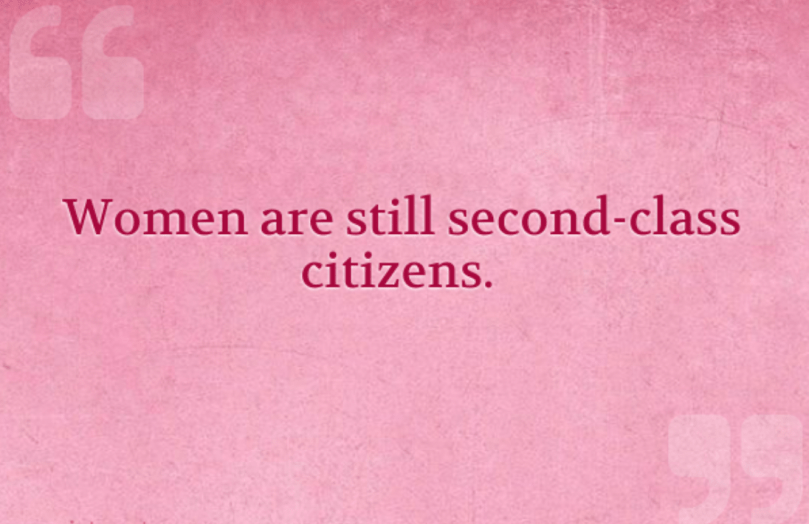
Why it feels like there is a shadow hanging over being a woman – Why are we treated like second class citizens.

A raw, honest exploration of why women around the world are still objectified, mistreated, silenced, and left to pick up the pieces. This blog post uncovers the social, psychological, and emotional forces behind entitlement, abuse, and violence. It offers a path toward healing, dignity and empowerment.

There’s a truth many of us carry, often silently, from early on, our bodies, our boundaries, our heartbreaks, and our dignity are under threat. Somewhere in how society functions we are taught ( or shown) that women are less than, or at risk of being treated as “available”, “used”, “taken from”. Why does this happen, why does it persist, and what does it leave in us? I was told this year by someone I was in a relationship with ‘No Kerry, Men will always be 51% and some 49%’ , Needless to say the relationship never worked out, but why in 2025 do we still face these issues!

From a young age many girls sense they are being looked at as a body, as something to be gazed upon, evaluated. Being beautiful becomes one of the strongest currencies. This isn’t just about one person’s fantasy, it’s built into social norms, media, family roles, expectations.

When women are objectified, their full humanity is diminished, they become “things to be consumed”, not equal human beings with agency. In many societies women are still paid less, expected to do more unpaid care, to fit into roles that sideline them.

Objectification and “second-class” status are deeply entwined, if you’re not free to say “no”, if your voice isn’t listened to, if your body is seen as someone else’s territory — then you’re treated as less than.

Why some men act as though they can “take” from women

There are many layers here. One is cultural: in many places men are raised with entitlement, that their desires matter more, that women exist in part to serve those desires, you only have to spend 5 minutes reading the ‘Are we dating the same guy’ groups, to see, that your situation, my situation is not just a one off! Another is psychological: research shows that among men who commit rape and assault, violent dominance, lack of empathy, peer culture and misogynistic beliefs all play a role. For example:

  • Studies of rapists who are in prison, found some view rape as “having sex without the person’s will … the one being raped doesn’t enjoy its pleasure, it’s the rapist that enjoy the pleasure.”  
  • The concept of “rape culture” captures how: victim-blaming, sexual objectification, trivialisation of assault, denial of harm, become socially normalised. 
    Society gives some men the message: your masculinity is proven by conquest, by insensitivity, by ignoring “no”. When these ideas dominate, then touching, luring, assaulting!! Some men see it not as the violation it is, but as “just what I do”.
    Another piece is power: in many sexual assaults, the issue is control, not sex. The assault is a way to dominate, humiliate, silence. That dynamic sits under many of the statistics and stories we hear.

I mean what world do we live in, but we can’t bury our heads girls… we can’t! This is factual and sadly so so close to home for so many of us!

What the numbers tell us

Some crucial, devastating statistics to ground the pain:

  • Globally, nearly 1 in 3 women have been subjected to physical and/or sexual violence in their lifetime (by a partner or non-partner).  
  • In 2023, around 51,100 women and girls worldwide were killed by intimate partners or other family members.  
  • Violence isn’t just “out there”, these are mothers, daughters, friends, women we know or might know.
    These numbers are not remote. They show how the structures around us allow, and often fail to stop, the repeated violation of women’s rights, safety, dignity.

What this does to a woman—emotionally, mentally

It fucks us up for life… Fact!! Let’s not sugar coat this!!! To feel used, to feel like someone else decided your body’s value, your heart’s value, it hurts deeply. It can lead to:

  • Shame and self-doubt (“Why did I stay? Why did I go back? What’s wrong with me?”)
  • Emotional exhaustion: being “always on guard”, managing others’ needs, protecting yourself.
  • Loss of trust: in men, in relationships, sometimes in your own judgement.
  • Anger, grief, sometimes numbness. You might carry the belief you owe something, even when you don’t and that belief itself is born of the messages you’ve internalised.
  • Loneliness: because the society around you may minimise your pain, blame you, dismiss you.
    When a man comes and uses a woman, emotionally, physically, sexually and leaves without apology or regard, the hurt is real. It’s a violation of more than the body: it’s a violation of dignity, our self worth and our love for ourselves!! Men will never ever understand just how hard us women work just to gain that slight bit of self love, and they think nothing of taking it for their own selfish gain!!

Why women sometimes continue to stay with partners…

You asked: “Why as women do we feel we owe men something? Why do we go on in relationships or have consensual sex when the dynamic is bad?” It happens and wow, more than we dare to even think. A few psychological/social threads:

  • Social conditioning: From a young age many women are taught to please, to care, to nurture. The idea of “relationship” often comes with the unspoken cost: your needs are secondary.
  • Hope and love: You may see the potential in someone. You hope the person will change. You invest emotionally. That doesn’t make you foolish, it makes you human.
  • Fear of loss: The sense of “better the bad I know than the unknown” can hold you in place. The belief “maybe this is what I deserve” comes from internalised shame.
  • Power imbalance: If someone has made you feel low, if they’ve conditioned you to believe you’re unworthy, then leaving them or saying “No more” can feel impossible.
  • Trauma bond: After violation, there can be a confusing attachment, especially if kindness or apologies occasionally surface, or if you’ve internalised blame.
    None of this is easy to untangle. The fault lies not in you having feelings or wanting love. The fault lies in the system and in the person who treated you as less.

Why does this persist? Why do men think this behaviour is acceptable?

It’s not “just one reason”, it’s a mix of culture, power, upbringing, individual psychology, structural inequality. Some contributing factors:

  • Patriarchal norms: Societies where men hold economic, political, sexual dominance make it easier for entitlement and abuse to flourish.
  • Gender stereotypes: “Real men” don’t cry, they dominate; “good women” are submissive. These expectations crush humanity.
  • Normalisation of violence: In some contexts assault becomes hidden, ignored, written off. Victims are blamed. Rapists are not held fully accountable.
  • Lack of empathy: Some men (and people) may never truly perceive another’s “no” as valid, or believe their own desire must be fulfilled regardless. Research among rapists showed a mindset of “it’s his pleasure; she didn’t matter”.  
  • Peer dynamics: Some men act for social status, to impress friends, under the idea “boys will be boys”. Rape culture theories emphasise how society tolerates or downplays sexual violence.  
  • Institutional failure: When the justice system, the police, the culture protect abusers or minimise the victim’s voice.. behaviour doesn’t get curbed.
    In short: because the system and culture allow it. And until those change, the behaviour persists.

The implications for us women

When these dynamics are allowed to run rampant, the effects ripple:

  • Self-worth diminishes: Constantly being looked at as someone else’s “use” diminishes the idea you are whole and complete in yourself.
  • Emotional trauma: Assault, objectification, betrayal, abandonment, they can cause PTSD, depression, anxiety, trust issues.
  • Social and economic consequences: Women who survive violence may struggle with employment, health, relationships, support.
  • Generational trauma: The patterns get passed down. If a girl sees a mother being treated roughly, or internalises the idea that a woman must accept less, change becomes harder.
  • Relationship choices: You may end up choosing less, settling, staying in harmful dynamics because the alternative seems scarier than the known hurt.
  • Intersectional suffering: If you are a woman of colour, LGBTQ+, disabled, migrant or from a marginalised group you can face even more layers of objectification, invisibility and abuse.
    These are not just “individual problems”. They are societal problems. When half (or more) of humanity is treated as less, we all lose.

This isn’t just one place, one culture, one story, it’s a sadness that circles around the world. Around the world women are killed, assaulted, silenced, shamed. The number of daily femicides, the prevalence of rape, the under-reporting of violence, these are global. The more I go down a rabbit hole, trying to understand, trying to understand a perpetrators mind, im saddened, sat here in disbelief, how men think they can do what they do…

The sadness is multilayered, grief for what was taken, anger at the perpetrators, frustration at the silence, shame for having believed you were at fault. The sadness for the world that this still happens, that women still have to fear, still have to defend, still have to pick up the pieces.

But let me bring in a different note, true hope…

You are not just a victim. You are not just the piece left behind. Though you’ve been wounded, you can heal. Though you’ve been treated as less, you are whole. You are and I to, a survivor, a strong independent being, reclaiming yourself.. I look in the mirror daily, and I’m like ‘Kerry, Shit happens, but you got this’.

Recognising the problem is the first step. Naming it: objectification, entitlement, violence, misogyny. Then: reclaiming boundaries, your voice, your story. Surrounding yourself with people who honour you, who love you, who you can trust. Undoing the internalised beliefs you were “less than”.

Change also happens collectively, when women speak, when men listen and change, when institutions refuse to protect abusers, when culture shifts to value consent, respect, equality.

It’s your right, not an ask, to be safe, to be respected, to have your body and heart treated with dignity. And the world must change so that isn’t a radical statement, but a foundational one.

Men all around the world, refuse to accept accountability for the word NO, they victim blame.. they think it’s their right to take… my answer is NO!!

NO Means NO

No means no.

Asleep means no.

Unconscious means no.

Not sure means no.

Silence means no.

Men must accept accountability for ignoring the word NO.

And women must stop carrying the shame that never belonged to us

If you’re feeling that you were used, overlooked, treated as disposable, you deserved so much more.

If you’re still in pain from a man who left without apology, who touched you without regard, who made you doubt yourself, your feelings are valid. The shame is not yours. It’s theirs!

If you stayed, or stayed trying, or believed again, know this: that doesn’t make you weak, just because you may have consented once, doesn’t mean the time you said NO, or couldn’t say no, any different. It makes you human. It makes you someone who hoped, someone who wanted to love. Someone who deserves peace.

You don’t owe him anything. You owe you. Your healing, your future, your freedom.

And though you may still feel lost, you are not alone. The sadness is there, yes, but so is the possibility of transformation. The possibility of reclaiming your story. The possibility of being seen, heard, valued.

For every woman who has ever been used, hurt, abandoned or silenced:

You are not broken.

You are not less.

You are not the aftermath of what he did.

You can reclaim yourself.

Your voice.

Your boundaries.

Your identity.

Your future.

Healing starts when you name the truth.

When you recognise you deserved more.

When you surround yourself with people who honour your heart.

Your safety and dignity are not privileges.

They are rights.

And the world must change to reflect that.

A Final Message to Any Woman Reading This

If someone used you and walked away, you deserved so much more.

If he hurt you and didn’t apologise, the shame is not yours — it’s his.

If you stayed, hoped, forgave, tried again, you were loving. Not weak.

Even if you once consented, that does not erase the times you said no or the times you couldn’t say it.

You don’t owe him anything.

You owe you.

Your healing.

Your peace.

Your future.

And even if you feel lost right now, you are not alone.

The sadness is real, but so is the possibility of transformation, the possibility of reclaiming your story.

Be you, feel you… Love Kerry x

Feel free to reach out to me for transformational coaching support… transformwithkerry@gmail.com

Understanding sexualisation — Why women are still sexualised? And how we can break free!

Why do men sexualise women – Even when we cover up, even when we say no, even when we swear we are off dating? I dive into the truth being objectification, biology and culture, and why real love can only truly begin with respect and a natural alignment.

All about being seen, mis-seen, and owning your story!

I’ve spent a lot of time thinking about how I’ve experienced the world as a woman: how I’ve been seen, how I feel used, how I feel sexualised. It’s a weird mixture of vulnerability, strength, frustration, even anger.

This is me writing to carry that girlhood, to bear witness to it, to ask the hard questions: why do men, regardless of religion, background, race, so often treat women as sexual objects? And why, as women, do we sometimes allow it? How much of this is about biology, how much about culture, how much about power? And what happens when your own history (for me: childhood sexual abuse) means you’ve always felt marked, always felt like the woman people want for one thing, but not for more.

My story (just enough)

I grew up feeling a certain constant, the sense that I was always the woman people saw in a certain way. Even when I didn’t want to be seen in that way. As a young girl, as I discovered my body, my femininity, my style and body, I realised other people were looking, not just looking, but categorising. The “one-night-stand” woman, the affair partner, the glamorous woman who’s fun but not serious, the girl who had brains, but was ‘just a model’. Kerry the model. In all honesty I grew up not knowing any better, my young mind warped… And then I have the memory of abuse. Childhood sexual abuse means your relationship to your own body and your own woman-self is tangled: you know you mattered, you know you were seen, and you know it was wrong. You also know that others’ seeing you has perhaps always been complicated, we personalise even the slightest look, and sit there wondering how that person is judging us.

So when, later, I try to live my womanhood fully, I take care of my appearance, I have long hair, I might get fillers, I choose to be glamorous, and still I’m treated as a sexual object, I post a selfie and often think am I allowed to take pride in how I look, the questions arise: Are we not allowed to be glamorous? To look good? To love our appearance? And why on earth doesn’t that permit us to also be respected as full human beings?

The hard questions

Why do men sexualise women in this way?

There isn’t a single simple answer, but there are strands worth pulling.

Biology & chemistry.

Men and women are different in many ways. One thing that biology offers is that men, on average, have higher levels of testosterone; a hormone often associated with sexual drive. Some argue this means men are more driven sexually, more likely to think with desire, more likely to objectify. But it’s not a justification. Hormones don’t excuse behaviours. And sexualising someone isn’t the same as a healthy sexual interest in someone consenting. Biological impulses are real, but culture, upbringing, self-control and empathy matter hugely.

Mindset, power and culture.

Sexualising a woman often isn’t just about the sexual act. It’s about power. If a man treats a woman as an object, he is seeing her as “other”, reducing her to her body or her sexual availability, not her personhood. Society still carries hierarchies: men are “allowed” to look, to pursue, to demand; women often are taught to tolerate, to receive, to hope for more than the sexual.

Our culture promotes the look-and-be-seen idea: glamorous women get attention. But then that attention becomes entitlement in someone else’s mind. A one-night stand becomes justification: “You looked that way, you must want it, you’re fair game.” The sad fact is, you can decide to sleep with someone quite quickly, however what follows the next week is a whole tornado of ‘self abuse’ – Why did I do that? Are they judging me? Am I cheap? And when women do say no, or want more than the sexual, they’re cast as “difficult”, “cold”, “too high maintenance”. It’s unfair. But it’s real. Men will want you in the moment, but then sadly a lot of guys, especially those who aren’t self aware, will mark you as ‘Not the girlfriend type’, and trust me girls, I won’t sleep with 99% of the guys I date, but because of my look, my strong personality, I still get that ‘Yeah not sure’! In all respect to those I have dated, I have become to recognise when a guy isn’t self aware, and cut my losses, and not pursued, the last few dates I have been on, straight away, I’ve had them figured out, and through my own journey as a coach and therapist training, I feel I have antennas looking for signs straight away. However why should how we look determine how desirable we are in. some circumstances, and I say ‘Some’ because women covering fully in hijabs are still victim…

Why covering up doesn’t always protect you.

You might ask: “If a woman covers up or wears a hijab, why can she still be a victim of sexual violence?” Because the root isn’t always about what she wears, but how the perpetrator sees. If he already views women as objects, or sees her body or vulnerability as a target, then what she wears may shift the context, but not the dynamic.

Here are some reference numbers:

  • According to a key charity, more than 1 in 4 women have been raped or sexually assaulted as an adult.  
  • For child sexual abuse: about 7.5% of all adults in England & Wales are estimated to have been sexually abused before age 16.  
  • As per the Office for National Statistics (ONS) the survey found that for year ending March 2022, 86% of sexual offence victims recorded by police were female; 91% of rape victims recorded were female.  

These aren’t just statistics—they reflect the lived reality of so many of us.

Relationship between men’s drive and women’s responses

There’s an imbalance in how men and women are taught to relate to sex and relationships.

Men’s drive / women’s response.

Men are often socialised to pursue, to conquer, to take. Women are often socialised to be pursued, to respond, to hope. If a man’s sexual drive is given free rein, and his empathy or accountability not sufficiently nurtured, sexualising becomes easy and relationship-building becomes harder.

Women meanwhile may yearn for connection, for being seen beyond the body, for being loved. That yearning, when combined with social messages like “you’ll be alone without a man” or “you’re nothing without love”, can mean we put our heart into new relationships too fast, or we accept less than we deserve.

Swipe-culture, first-date sex, casual affair mentality—all of that can feed the pattern. Women can ask: why are we letting men take advantage? Why do we give our first date, first night, so much of our self-worth? Because we want to be loved, wanted, affirmed. Because we’ve been taught our value includes being desirable. But the flaw is when desirable becomes the only value. Then we are easily used, not honoured. I have tried so many different ‘experiments’ lets call them, with my dating life, and still whatever side of my personality I show, whatever side of my sexuality I show, the result has been the same, and I came to realise through so much research and reading – is that us women take it personally, however this problem isn’t with us, its the men who have changed, and that’s fact.

For instance, every few months I will attempt the apps, and just last week, I started chatting to a couple of people, and wow, the dopamine fix for men having a flavour of the week, was too much for me to handle, because you know a week later, they’ll be swiping again, when you can’t give them the attention they think they deserve (from a stranger, ODD yes), so they swipe, and move on. No-one is really trying to find any depth other than the superficial. Yawn fucking Yawn! Although I will say if they can last a week and still peak my interest and there is a deeper alignment, then hallelujah!

Are we sexualising men more?

Yes, the culture changes. Women now have more public profiles, more sexual agency, more freedom to pursue men or express desire. But the asymmetry remains: when women sexualise men, men are less socially permitted to complain or to be objectified in the same way, fact girls. The power structure is different. So yes, perhaps women are more sexual in their expression now, but we are not (at least not yet) the overseers of objectification. The system still treats women differently, and how can we move away from this, can we???

What about us—the women who say “enough”

You say you’re going to swear to celibacy. That’s powerful. Whether you choose celibacy, choose slower relationships, choose deeper connection, your decision is yours, and it’s a statement: I will not be used. I will not be reduced.

Do we have to reject glamour, fillers, long hair, looking good, posting an instagram selfie? Absolutely not, I love seeing who I am now, what I represent, as I don’t see beauty, I see growth, the story of Kerry. Feminine beauty is not a sin. Wanting to feel good in your body is not an invitation to be sexualised as an object. Wanting to be seen as beautiful, to have fun, to feel empowered, that is your right. The problem isn’t you. The problem is the viewer who won’t let you be.

So, you owe nothing but your full self to anyone. If someone says “I want you just for one night,” you are allowed to say No. You are allowed to say I am worth more. You are allowed to say I want connection, I want respect, I want mutual desire and mutual regard. And if you don’t get that, you walk away. None of us are desperate enough, that we hurt ourselves in the pursuit of love.

Mindset change & how to find real love

Because here’s the truth, no one is going to find real love this way, not deep, lasting, meaningful love—if the foundation is “I want you for the night, for the moment, for the body”. That’s not love. That’s use, that’s being abused by yourself and others.

And if we keep playing that game (even passively) we become complicit in the cycle. Mindset shift time.

What we need to shift – as women

  • From “Am I desirable?” → to “Am I worthy of respect?”
  • From “Do they want me?” → to “Do they value me?”
  • From “Can I make this work?” → to “Will this bring me happiness, safety, growth?”
  • From “I’ll settle to be loved” → to “I’ll wait to be loved deeply”

What we need to shift – culture and for men

  • From “She looked that way therefore…” → to “Her appearance doesn’t give you rights.”
  • From “Pursuit equals proof of worth” → to “Willingness to stay, to walk the long road, matters more than the chase.”
  • From “Casual is fine if consenting” → to “Even consenting should bring mutual regard, not just use.”

What to do: practical steps

  • Set clear boundaries: Know what you will accept, what you won’t. Practice saying the words (in your mind or out loud – I deserve love)! Say it loud and clear!
  • Slow things down: If someone meets you and all they want is the sexual yet they neglect to ask your story, your mind, your soul, walk away. Real love takes time.
  • Check the foundation: When you meet someone, ask: “Do I feel safe? Do I feel known? Do I feel valued?” If the answer isn’t “yes, absolutely,” step back.
  • Honor your history: If your history involves sexual abuse, you have every right to heal, to protect your boundaries, to choose differently. That makes you stronger, not broken.
  • Seek community & role models: Talk with women who are choosing differently, men who are doing differently. Your story matters, your values matter.
  • Redefine your worth: Gaining respect, kindness, depth matters more than gaining “likes”, “matches”, “attention”. Your beauty, your glamour, it’s yours, enjoy it. Just make sure it’s rooted in you, not in someone else’s idea of you.

Why the system still fails—and what gives me hope

It’s not enough to talk about individual men or women. The system fails in many ways:

  • So many sexual offences go unreported, under-prosecuted. For example, for the year ending March 2024, rape made up 36% of all sexual offences, yet only around 2.6% of rape offences resulted in a charge/summons.  
  • Child sexual abuse remains huge: Children make up only 20% of the population but are victims in 40% of all sexual offences.  
  • And despite the glamour, the independence, the strength of many women, we still live in a culture that “allows” men to treat women as less, to use women as bodies instead of full beings.

But, I’m hopeful. Because more women are speaking, more men are rethinking, more boundaries are being drawn. You swearing to celibacy isn’t shame, it’s power. Saying you will not be reduced is fierce. Yes I find celibacy can be lonely, you will crave the touch and excitement, and sorry but however much I have tried, I struggle, however sometimes its better to have your mind and body, kept for you and only you.

And as women step into full ownership of their stories, full ownership of their beauty, full agency over their bodies and relationships, that is where change happens.

My Final thoughts…. or let’s call it Kerrys conclusion

To the girl you were, to the woman you are becoming: you are not here just to be looked at. You’re here to be seen, yes, but to be known. You’re not just a body, you’re a brain, a heart, a soul. And the fact you’ve felt sexualised, misunderstood, used doesn’t mean you accept it forever.

Men might have hormones, might have impulses, might have culture training them wrongly. But you have the power to choose how you respond, who you let in, what you demand. You have the power to glam, to glow, to live your femininity, on your terms.

If someone wants you only for one night and nothing more, that’s their choice, and you don’t have to play the part they wrote for you. You can write your own.

Carry your girlhood. Honour your story. Choose respect. And if anyone tells you your beauty is the problem, you know better. Your beauty is your gift. Your self-worth is not negotiable.