Celibacy and Masturbation: Can Self-Pleasure Be Part of a Celibate Journey?

In a world that constantly talks about sex, relationships, and connection with others, we rarely talk about something quieter but just as meaningful: our relationship with our own body.

For some people, celibacy is a religious choice, For others, it’s a period of healing, reflection, or simply a break from the emotional complexity of relationships.

But one question often sits quietly underneath the surface:

If you’re practicing celibacy, is masturbation still okay?

It’s a question that doesn’t always have a clear answer. Some people believe celibacy should include abstaining from all sexual activity, including self-pleasure. Others believe masturbation can actually be a healthy part of understanding and respecting our bodies.

For me, the conversation around this topic feels very personal.

There have been long stretches of time in my life where I’ve chosen celibacy. Sometimes it came from heartbreak, sometimes from exhaustion with dating, and sometimes simply from the desire to focus on myself, and my own healing journey.

During those times, I noticed something interesting.

Even while stepping away from intimacy with others, my body didn’t stop being alive and sometimes, masturbation became a surprisingly grounding experience.

Rediscovering the Body When You’re Alone

One thing that celibacy can do is shift your attention inward. When you’re not thinking about someone else’s touch, expectations, or desires, you begin to notice your own body differently. For me, masturbation during celibacy has sometimes felt less like sexual indulgence and more like a form of self-connection.

There’s a strange kind of peace in knowing that your body belongs entirely to you.

No pressure.

No performance.

No wondering what someone else wants or expects.

Just you.

And sometimes, that simple experience can bring unexpected comfort.

There have been mornings where the day felt heavy, where getting out of bed felt like a challenge. In those moments, something as simple as self-pleasure gave me a little spark of energy, a reminder that my body is still capable of joy, that life isn’t always so depressing!! Let’s call it the ultimate self validation hey!

It’s not always about sexuality, Sometimes it’s about feeling alive again, sometimes its just about the Ooooooh and Aaaaah!

The Biology of Masturbation and the Brain

From a biological perspective, masturbation isn’t just psychological, it’s neurological. When the body experiences sexual arousal or orgasm, the brain releases several important chemicals:

Dopamine – associated with pleasure and reward

Oxytocin – often called the bonding hormone

Endorphins – natural pain and stress relievers

Prolactin – linked with relaxation after orgasm

These chemicals affect our mood, stress levels, and overall well-being.

This is one reason why masturbation can sometimes feel like a natural mood booster. The body responds with a chemical cascade that can reduce tension and create a sense of calm.

Some studies even suggest that sexual release may help with:

  • Stress reduction
  • Better sleep
  • Improved mood
  • Relief from physical tension

In this sense, masturbation isn’t necessarily separate from overall health. It’s part of the body’s natural reward system. However like many things tied to dopamine and pleasure, balance matters.

When Masturbation Becomes Habit Rather Than Choice

While masturbation can be healthy, it’s also possible for it to become automatic rather than intentional. Modern technology has changed the way we experience sexual stimulation. Endless access to digital content can overstimulate the brain’s reward system, leading to patterns where pleasure becomes more about dopamine hits than genuine connection with the body.

This is one of the reasons some people choose complete abstinence during celibacy.

Taking a break from sexual stimulation can allow the brain’s reward pathways to reset. People sometimes report feeling clearer, more focused, or more emotionally grounded during periods of abstinence.

But this doesn’t necessarily mean masturbation itself is unhealthy. The key difference often lies in how we approach it.

Is it a conscious experience of self-connection?

Or a quick escape from boredom, loneliness, or stress?

Those motivations can lead to very different outcomes.

The Spiritual Perspective on Sexual Energy

Beyond biology and psychology, many spiritual traditions have explored sexuality and self-pleasure for thousands of years. In some traditions, sexual energy is viewed as one of the most powerful forces within the human body. Certain schools of Taoism and yoga teach that sexual energy can be transformed into creative or spiritual energy. Practices related to celibacy sometimes encourage people to conserve this energy rather than release it.

From this perspective, abstaining from masturbation is believed to strengthen discipline, mental clarity, and vitality.

However, other spiritual traditions take a very different view.

Some tantric teachings emphasise conscious awareness of the body, suggesting that sexuality, including self-pleasure, can be part of spiritual exploration if approached with mindfulness and respect. Rather than something to suppress, sexual energy becomes something to observe, understand, and honor. In that sense, masturbation could be seen not as indulgence, but as a way of cultivating presence within the body. The truth is that spirituality rarely offers a single answer. Instead, it invites us to explore our relationship with our own energy and intention.

Celibacy as a Relationship With Yourself

One of the most surprising things about celibacy is that it can teach you a lot about yourself. Without the distraction of romantic or sexual relationships,

You start to notice patterns.

You notice how you seek comfort.

You notice how you cope with loneliness.

You notice how you treat your own body.

For many people, celibacy becomes less about denying desire and more about building a healthier relationship with themselves. That relationship might include masturbation, or it might not. What matters is the intention behind the choice. If self-pleasure comes from curiosity, appreciation, and self-love, it can feel empowering. However, if it becomes a way of avoiding emotions or constantly chasing stimulation, it may be worth stepping back and reflecting.

The Power of Self-Ownership

One of the things I’ve come to appreciate most during celibate periods is the simple idea that my body belongs to me.

In relationships, we sometimes forget that. We become aware of another person’s desires, expectations, and needs. Even healthy relationships involve a kind of shared physical space.

Celibacy creates a different dynamic.

It reminds you that your body isn’t something that exists for someone else’s pleasure.

It exists for you.

That awareness can make masturbation feel less like a taboo subject and more like a quiet act of self-ownership. It’s a reminder that you don’t need someone else to validate your physical existence.

Sometimes your own touch is enough.

Finding a Personal Balance

So should someone masturbate during celibacy?

The honest answer is that there isn’t a universal rule. For some people, abstaining completely from sexual stimulation helps them feel focused and emotionally grounded. For others, occasional self-pleasure feels natural and healthy.

The important thing is to remain aware of your motivations and how your choices affect your well-being.

You might ask yourself questions like:

  • Does this make me feel connected to my body or disconnected from it?
  • Am I doing this consciously or out of habit?
  • Does this support my emotional healing or distract from it?
  • Does this align with why I chose celibacy in the first place?

These questions can help guide a relationship with sexuality that feels authentic rather than imposed.

Celibacy Isn’t About Denying Pleasure

One of the biggest misconceptions about celibacy is that it’s about repression, But for many people, it’s actually about clarity.

Stepping away from sexual relationships can create space to understand our desires more deeply. It allows us to notice where pleasure comes from, what intimacy means to us, and how we relate to our own bodies. In that sense, celibacy isn’t the absence of sexuality. It’s a chance to experience sexuality in a more conscious way.

Sometimes that includes self-pleasure.

Sometimes it means abstaining completely.

Both paths can lead to growth if they’re chosen intentionally.

Final Thoughts: Listening to Your Body

If there’s one thing celibacy has taught me, it’s that our bodies have their own quiet wisdom.

We often try to fit our lives into rules about what we should or shouldn’t do, yet sexuality rarely works that way.

Sometimes the healthiest thing we can do is simply listen.

Listen to our emotions.

Listen to our energy levels.

Listen to how our body responds.

For me, there have been moments during celibacy when masturbation brought a small spark of joy on an otherwise depressing day A reminder that my body still holds warmth, curiosity, and life and there have been other moments where abstaining felt more aligned with the kind of clarity I was seeking. For instance now, abstaining since my last serious relationship has been soul saving, just knowing, I will enjoy intimacy when I meet my person and both experiences taught me something valuable.

Celibacy isn’t about shutting down desire, It’s about becoming aware of it.

And sometimes that awareness begins with the simplest realisation of all:

Your body is yours.

How you choose to care for it, explore it, or honor it is a deeply personal journey.
The Peter Pan Syndrome. Why are you still addicted and chasing validation over Love – A post for men in their 40s

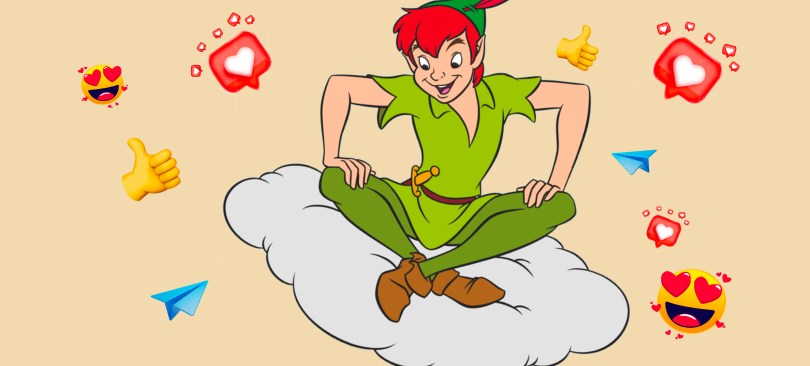
The phrase “Peter Pan Syndrome” comes from the fictional character of Peter Pan. However today, In popular psychology, it describes adults who resist the emotional responsibilities that usually come with adulthood, commitment, accountability, and deeper emotional intimacy.

While it’s not a formal clinical diagnosis, the term is often used to describe a pattern seen in some men who remain psychologically attached to a lifestyle of freedom, novelty, and validation long after their peers have moved into more stable phases of life. I mean for those reading this, who have been unfortunate enough to encounter this in a partner… You will feel this!

For some men, this pattern becomes most visible in the mid-to-late 40s, when a deeper internal conflict about identity, ageing, and self-worth begins to surface.

The Mid-Life Identity Shift

Many people assume maturity simply comes with age, however emotional development does not automatically follow the calendar.

For men who spent their 20s and 30s prioritising independence, lifestyle, or career success, over family life, their 40s can trigger a subtle identity crisis, and wow as the 40s go on, the shut downs become a form of self sabotage and self abuse.

This stage of life often brings new psychological questions:

  • Who am I now that youth is fading?
  • What do I actually want long-term?
  • Have I built something meaningful?
  • What does commitment mean at this stage of life?

For men who have avoided deeper emotional work, these questions can feel uncomfortable or even threatening. Instead of confronting them, some respond by doubling down on youth-oriented validation… Cue The Topless Pics on Instagram!!!

The Validation Loop

One modern factor intensifying this dynamic is social media.

Platforms like Instagram and TikTok, have created environments where attention and admiration are constantly available.

For men in their 40s who:

  • stay physically fit
  • maintain a youthful appearance
  • cultivate an attractive online presence – (Yep we’ve all seen those Hot Daddy types)

There can be a steady stream of attention from younger women…

This attention can create what psychologists sometimes describe as a validation loop.

The cycle looks something like this:

  1. Post photos or content online
  2. Receive admiration and attention
  3. Feel temporarily validated and ‘Good for their age’
  4. Then they go on and on and seek more attention to maintain that feeling

Over time, this external validation can become psychologically addictive. Instead of developing deeper emotional intimacy with one partner, the person begins relying on ongoing admiration from many people to reinforce their sense of self-worth… I mean, yes they look good, so in their minds, they’re not doing anything wrong, and will try so hard to justify their behaviour patterns, despite what those who love them tell them.

Why Validation Becomes So Important in the 40s

The mid-late 40s can be a psychologically sensitive period for many people.

It is often the stage where:

  • physical aging becomes more noticeable
  • social roles begin to shift
  • long-term life outcomes become clearer

For some men, especially those who strongly identified with youth, attractiveness, or freedom, this stage can trigger a quiet fear:

“Am I losing my value, my looks?” “Do I still have it?” – Attention from younger women can temporarily soothe that anxiety. It reinforces the belief that they are still desirable, still youthful, still relevant, but because this reassurance is external, it often needs to be repeated constantly. For that moment, they can tell theirselves, “Hey, I still have it”.

Avoidance and Emotional Distance

When validation becomes the primary emotional reward, deeper relationships can start to feel threatening.

A committed relationship requires:

  • emotional vulnerability
  • accountability
  • compromise
  • long-term investment

For someone caught in a validation cycle, these demands can feel restrictive. As a result, some men may become avoidant in relationships.

Avoidant behaviour can show up in different ways:

  • withdrawing when emotional conversations arise
  • keeping relationships undefined
  • prioritising independence over connection
  • losing interest once emotional depth develops
  • Keeping relationships surface level and fantasy, rather than reality

To a partner, this can feel confusing. The person may appear charming, attentive, and engaged at the beginning, but pull away when the relationship starts to require deeper emotional presence. This isn’t just down to identity and ageing struggles, this can also be deep rooted from Childhood trauma, and that missing link between, not feeling loved, not feeling enough.

Why Some Men Disregard Partners

When someone is heavily reliant on external validation, relationships can start to function more like sources of affirmation rather than mutual emotional partnerships.

This means a partner may be valued primarily for:

  • admiration
  • attention
  • excitement

rather than for the deeper emotional connection they bring.

Once the novelty fades, or once the relationship begins asking for more emotional maturity, the avoidant partner may disengage.From the outside, this can appear as sudden indifference or disregard. However, psychologically, it is often rooted in discomfort with vulnerability and a strong attachment to independence.

Do Men in Their Mid-to-Late 40s Struggle More With Avoidance?

Avoidant behaviour isn’t limited to any specific age group. However, certain factors can make it more visible in the mid-late 40s.

By this stage, a man may have:

  • decades of independent lifestyle patterns
  • a history of casual or short relationships
  • Trauma from partners leaving or cheating on them, due to emotional immaturity and capacity
  • strong identity built around autonomy

If emotional growth hasn’t kept pace with life experience, these patterns can become deeply ingrained, and need incredibly deep therapy in order to achieve change, At the same time, increased attention through social media or dating apps can reinforce the belief that there is always another option, and this is why they will never achieve the dream, because they will find their 10/10 and it still won’t be enough, the overwhelm and pressure their behaviour patterns will demonstrate will talk them out of every possibility of that dream.

This combination, long-standing independence plus endless validation, can make avoidance easier to maintain, and the sad reality is, they will never achieve the dream, even if they are 100% convinced they will. This is he real sadness here, because quite often these aren’t bad people, their early childhood and quest to be seen and appreciated, is their horrific downfall in life. Without accountability, recognition and honesty in therapy, the behaviour will serve them till their last breath.

The Difference Between Age and Maturity

The key takeaway is that age alone does not create emotional maturity. Some people develop strong emotional intelligence early in life through reflection, relationships, and self-awareness. Others can reach their 40s or 50s still operating from patterns established much earlier.

True maturity involves:

  • the ability to self-reflect
  • accountability for one’s behaviour
  • emotional availability
  • willingness to grow through discomfort

Without these qualities, chronological age becomes largely irrelevant.

The Real Question

When evaluating a partner, the most important question is not their age. It is whether they have done the inner work required for emotional intimacy.

Someone can be:

  • 30 and deeply self-aware
  • or 45 and still seeking validation in the same ways they did at 25.

Understanding this distinction helps explain why some relationships with older partners feel stable and grounded, while others feel confusing or emotionally distant.

The question is: Are you stuck in the Peter Pan Syndrome?

How to focus on Moving Beyond the Peter Pan Pattern: Growth in Midlife

While patterns like avoidance or validation-seeking can become more visible in midlife, they are not permanent traits. The 40s can actually be one of the most powerful periods for emotional growth, and they can glide into their 50’s with clarity and wisdom, and maybe an acceptance of the odd grey hair! Many people use this stage to reassess their identity, values, and the kind of relationships they want moving forward.

For men who recognise themselves in some of the patterns discussed, seeking constant validation, avoiding emotional depth, or feeling caught between youth and maturity, the good news is that change is entirely possible with intentional self-awareness.

1. Developing Self-Awareness

The first step toward change is honest reflection.

This means asking questions like:

  • Why do I rely on external attention for validation?
  • Do I feel uncomfortable with emotional vulnerability?
  • Am I avoiding commitment because of fear, past experiences, or loss of independence?
  • Am I truly hurting people, because of my behavioural patterns?

How did those questions make you feel? Did you lean in and then lean out? Yes the acceptance this could be you, is difficult, but needed…

Understanding the root of these behaviours can help shift the focus from blaming circumstances or partners toward personal accountability and growth.

2. Redefining Identity Beyond Youth

One of the deeper challenges in midlife can be the transition from identifying with youth and freedom to embracing a more grounded sense of self.

Rather than viewing aging as a loss, many men find greater confidence in:

  • life experience
  • emotional wisdom
  • stability and leadership
  • meaningful relationships

True attractiveness often comes not from appearing younger, but from self-assurance and emotional maturity.

3. Reducing Reliance on External Validation

Social media platforms like Instagram can amplify the need for constant approval. Taking a step back from the validation loop can help restore balance.

This might involve:

  • being mindful about how much attention social media receives in daily life
  • focusing more on real-life connections rather than digital feedback
  • building self-worth around character, values, and actions rather than external praise

When validation comes from within rather than from likes, comments, or admiration, relationships tend to become healthier and more authentic.

4. Practicing Emotional Presence

Avoidance often develops as a protective habit. Learning to remain present during emotional conversations is an important part of overcoming it.

This can involve:

  • listening without defensiveness
  • expressing feelings honestly rather than withdrawing
  • realising Blocking and Ghosting can cause incredible trauma for others
  • accepting that vulnerability is part of genuine connection

Emotional openness does not weaken independence, it actually strengthens trust and intimacy.

5. Embracing Growth Rather Than Escape

Perhaps the most important shift is reframing midlife not as a crisis, but as an opportunity.

For many men, their 40s bring:

  • greater self-understanding
  • clearer priorities
  • the ability to form deeper partnerships

Rather than chasing youth or external validation, this stage of life can become a time to build meaningful relationships and emotional stability.

Final Thoughts

The idea of “Peter Pan Syndrome” highlights a pattern, but it does not define anyone permanently. People grow when they are willing to reflect, learn, and adapt. Willing to take accountability for how they not only hurt others, but theirselves to.

Emotional maturity is not determined by age, status, or appearance it comes from self-awareness, accountability, and the willingness to evolve, see patterns and work in depth with therapists and self awareness to repair and heal.

For men navigating midlife, the most powerful transformation often begins with a simple shift in perspective: moving from seeking validation to creating a life built on authenticity, connection, personal growth, and acceptance that real validation comes from ourselves and a partner who truly sees us, hears us, supports us and loves us.

When two different people come together and learn to love one another…. ‘The Soul Mate Connection’

One of the most beautiful things about relationships is how two completely different people can come together, two individuals with their own interests, personalities, histories, and ways of seeing the world, and slowly begin to grow alongside one another.

At the beginning, you are separate worlds. Different routines, different habits, different comforts. One might love football, the other reality television. One might wake up early and love quiet mornings, while the other thrives at night. In the early stages, these differences can feel noticeable, sometimes even amusing.

But when a connection is real, something subtle and beautiful begins to happen.

Without even realising it, your worlds start to overlap.

You might find yourself sitting beside her watching ‘Love is Blind’, even though you never thought you would Or you might find yourself asking about the football score because it matters to him, and somehow that makes it matter to you too. What once felt like their interest slowly becomes something you share.

Not because you are changing who you are, but because love naturally invites you into each other’s worlds. You start to walk together on a path, a journey of alignment.

This is where the beauty of a true bond lies. Real connection doesn’t erase individuality. Instead, it gently weaves two lives together while still allowing each person to remain fully themselves.

Over time, the shift becomes deeper than shared hobbies or interests.

Their joys begin to feel like your joys.

Their worries begin to feel like your worries.

Their dreams start to intertwine with your own.

Their desires become yours, and yours become theirs. Not in a way that feels forced or sacrificial, but in a way that feels completely natural. Almost effortless.

And this is often when couples begin to say something that sounds strange to anyone outside the relationship:

“We’re basically the same person….”There are not many people who can look at the other and say this.. and that’s when you know you’ve found your person.

Of course, no two people are truly identical. You still carry your own thoughts, experiences, and individuality, however the connection becomes so deep that your emotional rhythms start to align. You begin to understand each other without needing to explain everything. Sometimes a look is enough. A silence can speak volumes.

It begins to feel like you are moving through life with someone who understands you on a level that very few people ever will.

The Feeling of a Soulmate

A true soulmate often doesn’t feel like fireworks. It feels like recognition, it feels like an intensity that overwhelms, engulfs you and blows your mind.

Like meeting someone your soul already understands.

You may notice that your values align naturally. Conversations flow effortlessly. Time together, calls together, feel peaceful rather than draining. Even when you disagree, there is still respect, still care, still a desire to understand each other rather than win.

You start to feel a quiet certainty.

Not the anxious kind of love that leaves you questioning everything, but the calm kind that settles in your chest and says: this feels right, this is my person, we’re basically the same person.

When you meet someone like this, life begins to align in unexpected ways. Your goals start to complement each other. Your emotional worlds feel compatible. You find yourselves growing together instead of pulling in opposite directions.

And that’s when many people say something that captures the depth of that connection:

“We’re the same person.”

Not because you are identical, but because your souls move in the same direction.

When everything aligns, your values, your intentions, your willingness to grow, the connection feels natural rather than forced. Being together doesn’t feel like hard work. It feels like partnership.

Like you are walking the same path…

And when you meet that person, something inside you recognises it. The noise quietens. The confusion disappears.

You simply feel… home…

When Trauma Tries to Protect Us

But there is another side to deep connection that many people don’t talk about.

Sometimes when we meet someone who truly sees us, who truly connects with us, it can feel overwhelming, to much, the boats rocking and it can cause incredible confusion and anxiety.

Not because the connection is wrong — but because it is powerful…

For many people, past experiences, heartbreak, or emotional wounds create protective patterns. We learn ways to cope with pain: shutting down, pulling away, overthinking, creating distance, or convincing ourselves that something is wrong when things actually feel right, but our physiological states tries to overwhelm us and force the pressure on ourselves, that we start to question everything..

Trauma often teaches us to protect ourselves.

But sometimes those protections can appear right when something beautiful is forming.

If someone is used to shutting down when emotions feel intense, they might withdraw from the very connection they’ve always wanted. If someone is used to expecting abandonment, they may start searching for problems that don’t actually exist.

And before they realise it, fear begins to interfere with something that could have been incredibly special.

This is why self-awareness matters so deeply in love….

When you recognise your patterns, when you understand how your past experiences might influence your reactions, you give yourself the power to respond differently.

Instead of shutting down, you pause.

Instead of running, you communicate.

Instead of assuming the worst, you choose curiosity.

Meeting someone who truly aligns with you can feel intense, scary and stir unwanted anxiety and pressures. It can stir emotions you’re not used to feeling. It can make you vulnerable in ways that feel unfamiliar.

But vulnerability is often the doorway to real connection.

Protecting Something That Matters

When you realise you have something special with someone, it’s important to nurture it.

That doesn’t mean the relationship will be perfect. Every connection will have moments of uncertainty, overwhelm, or misunderstanding. But what makes a soulmate connection so powerfu is the willingness to work through those moments together, however apprehensive and fearful you are

Instead of letting fear take control, you choose honesty.

Instead of letting overwhelm create distance, you talk about it.

Instead of pushing someone away when things feel intense, you lean into understanding what you’re feeling and why.

Real love is not just about finding the right person, it’s also about being emotionally aware enough to protect the connection once you find it.

Sometimes that means slowing down.

Sometimes it means communicating your fears.

Sometimes it means learning new ways to handle emotions you once avoided.

But when two people are willing to grow, the connection becomes stronger rather than fragile.

When You Know

When you truly meet your person, interests aside, emotions aside, even past trauma aside… something deeper connects.

Two different people.

Two different lives.

Yet somehow, everything aligns.

Your lives begin to weave together naturally. Your worlds blend. Your hearts recognise something familiar in each other.

And in those quiet moments — when you look at them and feel peace instead of doubt — you may find yourself saying something that captures it perfectly:

“We’re the same person.”

Not because you’ve lost yourselves, but because you’ve found someone whose soul walks beside yours, a heavenly feeling of your person walking alongside you, like the Universe and God have brought you both together..

And when that happens, when everything inside you says this is my person, when love feels calm rather than confusing, when being with them feels as natural as breathing…

You realise something powerful.

You’re home…

You have your person…