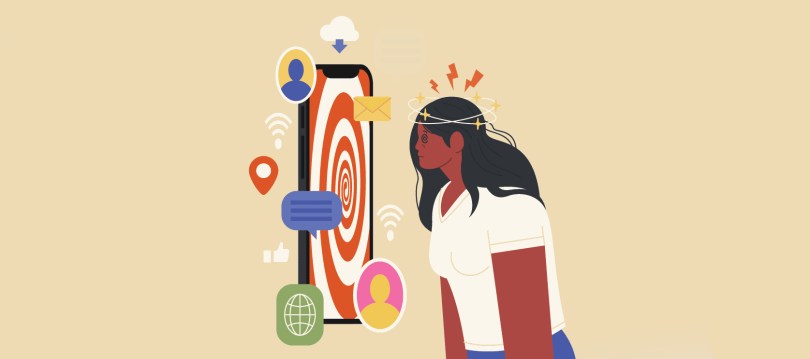
When two different people come together and learn to love one another…. ‘The Soul Mate Connection’

One of the most beautiful things about relationships is how two completely different people can come together, two individuals with their own interests, personalities, histories, and ways of seeing the world, and slowly begin to grow alongside one another.

At the beginning, you are separate worlds. Different routines, different habits, different comforts. One might love football, the other reality television. One might wake up early and love quiet mornings, while the other thrives at night. In the early stages, these differences can feel noticeable, sometimes even amusing.

But when a connection is real, something subtle and beautiful begins to happen.

Without even realising it, your worlds start to overlap.

You might find yourself sitting beside her watching ‘Love is Blind’, even though you never thought you would Or you might find yourself asking about the football score because it matters to him, and somehow that makes it matter to you too. What once felt like their interest slowly becomes something you share.

Not because you are changing who you are, but because love naturally invites you into each other’s worlds. You start to walk together on a path, a journey of alignment.

This is where the beauty of a true bond lies. Real connection doesn’t erase individuality. Instead, it gently weaves two lives together while still allowing each person to remain fully themselves.

Over time, the shift becomes deeper than shared hobbies or interests.

Their joys begin to feel like your joys.

Their worries begin to feel like your worries.

Their dreams start to intertwine with your own.

Their desires become yours, and yours become theirs. Not in a way that feels forced or sacrificial, but in a way that feels completely natural. Almost effortless.

And this is often when couples begin to say something that sounds strange to anyone outside the relationship:

“We’re basically the same person….”There are not many people who can look at the other and say this.. and that’s when you know you’ve found your person.

Of course, no two people are truly identical. You still carry your own thoughts, experiences, and individuality, however the connection becomes so deep that your emotional rhythms start to align. You begin to understand each other without needing to explain everything. Sometimes a look is enough. A silence can speak volumes.

It begins to feel like you are moving through life with someone who understands you on a level that very few people ever will.

The Feeling of a Soulmate

A true soulmate often doesn’t feel like fireworks. It feels like recognition, it feels like an intensity that overwhelms, engulfs you and blows your mind.

Like meeting someone your soul already understands.

You may notice that your values align naturally. Conversations flow effortlessly. Time together, calls together, feel peaceful rather than draining. Even when you disagree, there is still respect, still care, still a desire to understand each other rather than win.

You start to feel a quiet certainty.

Not the anxious kind of love that leaves you questioning everything, but the calm kind that settles in your chest and says: this feels right, this is my person, we’re basically the same person.

When you meet someone like this, life begins to align in unexpected ways. Your goals start to complement each other. Your emotional worlds feel compatible. You find yourselves growing together instead of pulling in opposite directions.

And that’s when many people say something that captures the depth of that connection:

“We’re the same person.”

Not because you are identical, but because your souls move in the same direction.

When everything aligns, your values, your intentions, your willingness to grow, the connection feels natural rather than forced. Being together doesn’t feel like hard work. It feels like partnership.

Like you are walking the same path…

And when you meet that person, something inside you recognises it. The noise quietens. The confusion disappears.

You simply feel… home…

When Trauma Tries to Protect Us

But there is another side to deep connection that many people don’t talk about.

Sometimes when we meet someone who truly sees us, who truly connects with us, it can feel overwhelming, to much, the boats rocking and it can cause incredible confusion and anxiety.

Not because the connection is wrong — but because it is powerful…

For many people, past experiences, heartbreak, or emotional wounds create protective patterns. We learn ways to cope with pain: shutting down, pulling away, overthinking, creating distance, or convincing ourselves that something is wrong when things actually feel right, but our physiological states tries to overwhelm us and force the pressure on ourselves, that we start to question everything..

Trauma often teaches us to protect ourselves.

But sometimes those protections can appear right when something beautiful is forming.

If someone is used to shutting down when emotions feel intense, they might withdraw from the very connection they’ve always wanted. If someone is used to expecting abandonment, they may start searching for problems that don’t actually exist.

And before they realise it, fear begins to interfere with something that could have been incredibly special.

This is why self-awareness matters so deeply in love….

When you recognise your patterns, when you understand how your past experiences might influence your reactions, you give yourself the power to respond differently.

Instead of shutting down, you pause.

Instead of running, you communicate.

Instead of assuming the worst, you choose curiosity.

Meeting someone who truly aligns with you can feel intense, scary and stir unwanted anxiety and pressures. It can stir emotions you’re not used to feeling. It can make you vulnerable in ways that feel unfamiliar.

But vulnerability is often the doorway to real connection.

Protecting Something That Matters

When you realise you have something special with someone, it’s important to nurture it.

That doesn’t mean the relationship will be perfect. Every connection will have moments of uncertainty, overwhelm, or misunderstanding. But what makes a soulmate connection so powerfu is the willingness to work through those moments together, however apprehensive and fearful you are

Instead of letting fear take control, you choose honesty.

Instead of letting overwhelm create distance, you talk about it.

Instead of pushing someone away when things feel intense, you lean into understanding what you’re feeling and why.

Real love is not just about finding the right person, it’s also about being emotionally aware enough to protect the connection once you find it.

Sometimes that means slowing down.

Sometimes it means communicating your fears.

Sometimes it means learning new ways to handle emotions you once avoided.

But when two people are willing to grow, the connection becomes stronger rather than fragile.

When You Know

When you truly meet your person, interests aside, emotions aside, even past trauma aside… something deeper connects.

Two different people.

Two different lives.

Yet somehow, everything aligns.

Your lives begin to weave together naturally. Your worlds blend. Your hearts recognise something familiar in each other.

And in those quiet moments — when you look at them and feel peace instead of doubt — you may find yourself saying something that captures it perfectly:

“We’re the same person.”

Not because you’ve lost yourselves, but because you’ve found someone whose soul walks beside yours, a heavenly feeling of your person walking alongside you, like the Universe and God have brought you both together..

And when that happens, when everything inside you says this is my person, when love feels calm rather than confusing, when being with them feels as natural as breathing…

You realise something powerful.

You’re home…

You have your person…

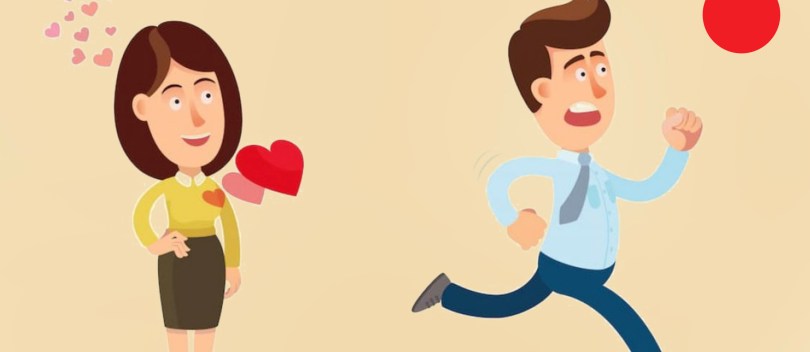
When Love Has Nowhere to Go. What happens when you fall for an Avoidant

There is a particular kind of heartbreak that doesn’t explode, it dissolves.

No dramatic betrayal, no obvious cruelty. no moment you can point to and say, “That’s when everything broke.”

Just love, slowly, quietly, with nowhere to land.

Loving someone with an avoidant attachment style often feels like pouring warmth into a room with no walls. Nothing visibly rejects you, nothing violently pushes you away and yet, somehow, everything disappears.

Not because the love wasn’t real.

Simply because it could not be received.

When Everything Feels Aligned

It often begins with something that feels rare, connection that feels effortless, conversations that stretch late into the night, laughter that feels easy, natural, unforced. Moments of closeness that feel deeply mutual. There is chemistry, there is emotional resonance. There is, at least for a time, a sense of alignment, the most beautiful alignment.

You don’t feel like you’re forcing something.

You don’t feel like you’re chasing.

It feels like something unfolding, a beautiful foundation being built with two human beings falling for each other.. and this is what makes it so confusing later, because nothing about the beginning feels incompatible. In fact, it often feels unusually right, perfectly right, and most of the time it is right…or at least could of been..

However, attachment dynamics don’t always reveal themselves at the start, because avoidant individuals can connect, in the beginning.

They can feel deeply.

They can even fall in love.

What they struggle with is not feeling, but staying.

Love vs. Fear: A Different Internal Reality

For the person who loves, closeness feels like safety, yet for the avoidant, closeness often feels like danger.

This isn’t a metaphor. It’s neurological. It’s sadly fact, and a fact even the avoidant themselves isn’t aware of.

Research in attachment theory shows that individuals with avoidant attachment styles frequently experience intimacy as a threat to autonomy. Emotional closeness activates the same stress responses that others might associate with loss of control, engulfment, or vulnerability.

Where one person feels warmth, the other may feel:

  • Pressure
  • Anxiety
  • A loss of space
  • A subtle sense of being trapped
  • A rising need to pull away
  • A feeling that the situation, relationship or partner isn’t right for them.

Nothing externally catastrophic needs to happen, no huge row… simply their body and mind, starts to reek havoc, slowly but surely, and they start to believe that they’re feeling this because the relationship or partner is wrong, they physically feel a build of anxiety, which leads to rumination, over thinking and panic, and the feeling of feeling overwhelmed, must be somebody else’s fault, because they don’t understand this is their own mental health, and any level of accountability means, it’s their fault, this over riding sense of anxiety, sickness, sleepless nights, lead to them saying ‘this isn’t right’… but please note, you could be a 10/10partner, but their mind will convince them you’re not right, and this is their own fear.

The relationship itself becomes the trigger, not because the love is wrong, but because the deeper the love and intimacy activates deeply wired protective strategies formed long before the relationship began. This is why most avoidants can only survive in relationships that are surface or fantasy based only.

The Tragedy of Misaligned Meanings

This is where the quiet sadness lives.

Two people experiencing the same relationship, but inhabiting entirely different emotional realities.

The loving partner experiences:

  • Growing closeness
  • Deepening attachment
  • Emotional investment
  • Hope
  • A desire for more connection
  • Love
  • Safety

The avoidant partner experiences:

  • Increasing discomfort because the feeling of love = anxiety
  • A need for distance to avoid accountability, and to feel safe
  • Emotional overwhelm, to the point it leads to both mental and physiological break down
  • A sense of losing independence, not being heard
  • Fear disguised as detachment

The same moments that feel like bonding to one person who has emotional capacity and maturity, but may feel like suffocation to the other.

No one is intentionally cruel, no one is consciously sabotaging.

And yet, damage happens anyway, because one of the parties didn’t realise what they we’re feeling was love…

When Love Becomes Something to Escape

As intimacy deepens, the avoidant nervous system often shifts into protection mode.

Common patterns begin to appear:

  • Emotional withdrawal
  • Subtle distancing
  • Reduced communication
  • Increased focus on flaws
  • Sudden doubts about compatibility
  • A vague sense that “something feels off”

Psychologists sometimes call this deactivation, the unconscious process by which avoidant individuals reduce attachment intensity when closeness becomes uncomfortable.

Love doesn’t disappear, access to it does.

To the loving partner, it feels like confusion:

“We were so close — what changed?”

To the avoidant partner, it feels like necessity:

“I just need space.”

The Ache of Unspent Love

For the one who loves, this is where grief becomes complicated, Because the love is still there, still alive, still willing. still reaching.

But with nowhere to go.

Love needs reception, Love needs reciprocity, Love needs emotional availability.

Without those, love doesn’t vanish, it lingers.

As longing, as rumination, as the painful question: “If it felt so real, why couldn’t it survive?”. There is a particular sorrow in loving someone who could not fully accept what you offered. Not because you were too much, but because they could not stay open.

The Avoidant’s Invisible Sadness

Yet there is another side to this story that often goes unseen, Avoidant individuals are not emotionless. They are not incapable of love. They are not immune to loss. Their pain simply looks different.

Avoidant attachment is rooted in early experiences where emotional needs were discouraged, ignored, or inconsistently met. Over time, self-reliance becomes safety, Vulnerability becomes risk, Distance becomes regulation.

Many avoidant individuals genuinely care, but experience closeness as dys-regulating. The push-pull dynamic is not calculated; it is protective.

And after withdrawal, they often feel:

  • Relief mixed with guilt
  • Confusion about their own reactions
  • Lingering affection they struggle to express
  • A familiar return to emotional isolation

The tragedy is not that they do not feel, The tragedy is that their fear consistently outruns their capacity for connection. The sad tragedy lies in, this will be their life, unless they learn, invest in therapy, and start to realise, kindness and empathy for others they cause paid to is key… a simple Sorry…

Why the Pattern Repeats

One of the most painful realisations for the loving partner is this:

Love alone cannot heal attachment wounds. Avoidant patterns are not situational quirks. They are deeply ingrained strategies for emotional survival.

Without conscious self-awareness and intentional work, the cycle often repeats:

  1. Connection
  2. Growing closeness
  3. Rising discomfort
  4. Withdrawal
  5. Distance
  6. Reset
  7. Repeat

Not because the partners are wrong, but because the underlying system remains unchanged.

The Cruel Irony of Compatibility

Perhaps the saddest truth of all, You can be deeply compatible with someone, and still be unable to build a stable relationship.

Shared values, Shared humour, Shared affection, Shared dreams, shared chemistry, intense attraction….

All of it can exist.

But if one nervous system experiences love as safety, and the other experiences love as threat, alignment at the surface cannot overcome misalignment at the core, until the avoidant does the serious work needed on themselves.

When Love Isn’t Wasted – Just Unreceived

It is tempting to call this wasted love, but love is never truly wasted.

Love given sincerely is evidence of capacity, not failure.

The ability to love deeply, openly, vulnerably is not something that diminishes because it was not reciprocated. It remains a reflection of emotional strength, a person with emotional maturity but mostly, capacity, you understand the real meaning of love…

The heartbreak lies not in loving the wrong person, but in loving someone who could not remain present inside the love you shared.

A Sadness Without Villains

This kind of story rarely has villains.

Just two people:

One reaching for closeness.

One retreating toward safety.

Both shaped by histories they did not choose.

Both experiencing pain in ways the other struggles to understand.

And love…..caught between longing and fear… it’s there.. it exists…

With nowhere to go.

Survival Mode in Relationships: When Emotional Abandonment Pushes the Body Into Crisis

How avoidant and narcissistic relationship patterns trigger fight-or-flight, hormonal disruption, and physical collapse, especially in women

There is a kind of stress that doesn’t stay in the mind.

It moves into the body.

It shuts down appetite.

It steals sleep.

It disrupts hormones.

It turns love into a medical emergency.

For me, stress from romantic relationships affects my body more than anything else in my life, Not work, Not money, Not external pressure. Love, or more accurately, emotional instability disguised as love, is what pushes my body into survival mode.

And once I’m there, I can’t simply “calm down.”

My body is panicking.

What Survival Mode Really Is (Fight, Flight, and Freeze)

Survival mode is not a metaphor. It is a physiological nervous system response that occurs when safety is threatened.

In relationships with avoidant partners or narcissistic partners, the body does not experience emotional inconsistency as inconvenience, it experiences it as danger.

Hot-and-cold behaviour.

Sudden withdrawal.

Love-bombing followed by emotional abandonment.

Connection offered, then removed.

The nervous system responds by activating the sympathetic response, fight, flight, or freeze. This response is meant for short-term danger. In emotionally unstable relationships, the threat is ongoing.

So the body stays switched on.

The Avoidant Attachment Cycle — Step by Step in the Body

Avoidant attachment is often unconscious. But its impact on the other person’s nervous system is very real.

1. Connection Phase: “This Feels Safe”

What the avoidant does

  • Emotional intimacy
  • Deep conversations
  • Strong sense of alignment
  • Feeling chosen and secure
  • A perfect mirror to you, which helps secure a sense of bond

What happens in your body

  • Oxytocin increases (bonding hormone)
  • Dopamine rises (hope and reward)
  • Nervous system softens
  • Appetite and sleep may stabilise

Your body begins to wire this person as safety.

2. Deactivation Phase: Emotional Withdrawal

What the avoidant does

  • Becomes distant
  • Reduces communication
  • Feels “overwhelmed”
  • Shuts down emotionally

What you begin to feel

  • Unease
  • Tight chest
  • Anxiety
  • A sense that something is wrong

Physiological response

  • Cortisol begins to rise
  • Vagus nerve regulation drops
  • Fight-or-flight activates

Your body senses danger before your mind understands it.

3. Push–Pull Dynamics and Intermittent Reinforcement

What the avoidant does- Sometimes , may I add, however most are too weak to return and do not have the emotional bandwidth

  • Returns briefly
  • Reassures you
  • Withdraws again

What you feel

  • Relief followed by panic
  • Hypervigilance
  • Emotional preoccupation

What happens in the body

  • Cortisol remains elevated
  • Adrenal system overstimulated
  • Digestion suppressed → appetite loss
  • Sleep disrupted

This is where survival mode becomes chronic.

4. Sudden Breakup or Emotional Disappearance

What the avoidant does

  • Ends the relationship abruptly
  • Avoids closure
  • Emotionally shuts the door
  • Blocks you everywhere

What happens to you

  • Shock
  • Disbelief
  • Inability to eat
  • Inability to sleep
  • Inability to just function with day to day life

Physiology

  • Cortisol spikes
  • Melatonin suppressed
  • Blood pressure may drop
  • Immune system weakens

This is often the point people say:

“I don’t recognise myself anymore.”

The Narcissistic Relationship Cycle — And Why It Damages the Body

Narcissistic relationship patterns are different because the instability is often manipulative rather than avoidant.

1. Love-Bombing and Idealisation

What they do

  • Intense attention
  • Excessive affection
  • Fast emotional bonding

Body response

  • Dopamine surge
  • Oxytocin surge
  • Rapid attachment

The body bonds before trust has time to develop.

2. Devaluation and Emotional Withholding

What they do

  • Withdraw affection
  • Criticise or invalidate
  • Create emotional insecurity

What you feel

  • Anxiety
  • Self-doubt
  • Trying harder to regain safety

Physical impact

  • Cortisol rises
  • Appetite shuts down
  • Gut function slows
  • Weight loss begins

3. Discard, Return, Repeat

What they do

  • End the relationship
  • Return
  • End it again

Each cycle re-activates the trauma response.

The body never fully resets.

During one such relationship, my weight fell from nine stone (around 57 kg) to seven stone ten (around 49–50 kg). I couldn’t eat. I couldn’t sleep. My periods became severe and prolonged, leading to hospitalisation.

This was not just emotional distress. It was physiological breakdown caused by chronic stress.

Blocking: The Nervous System Impact of Sudden Disappearance

Blocking is not neutral.

Blocking is digital abandonment.

Psychological and Neurological Impact

Research shows that social rejection activates the same brain regions as physical pain. Blocking removes:

  • Access
  • Repair
  • Explanation

The brain interprets this as:

“You no longer exist.”

What Blocking Does to the Body

  • Sudden cortisol spike
  • Panic response
  • Obsessive thinking
  • Appetite shutdown
  • Severe insomnia

For bonded individuals, blocking can:

  • Disrupt menstrual cycles
  • Lower blood pressure
  • Trigger medical symptoms
  • Psychologically impact their whole future

There is no nervous system regulation without closure.

Why Emotional Stress Affects Women’s Bodies So Deeply

Chronic relational stress disrupts the HPA axis (hypothalamic-pituitary-adrenal axis), which governs stress hormones.

This impacts:

  • Cortisol regulation
  • Progesterone production
  • Oestrogen balance
  • Ovulation and menstrual cycles

This is why emotional stress can cause:

  • Heavy or prolonged periods
  • Hormonal imbalance
  • Faintness or low blood pressure
  • Hospital admissions

Women don’t just experience stress psychologically.

We carry it physically.

The Core Truth About Survival Mode in Love

Avoidant partners regulate by leaving, a selfish act for their own self preservation and to maintain their narrative ‘As the good guy’ – Which sadly to you and to an outsider not in their orbit, is actually anything but.

Narcissistic partners regulate by controlling, they can’t control someone who starts to remember their own self worth, and who starts to call them out…

The person left behind regulates by breaking down internally.

They close the door, and your body absorbs the impact.

Grounding: Gently Returning the Body to Safety

If you are in survival mode, your body is not betraying you.

It is protecting you.

Healing does not come from forcing yourself to move on. It comes from restoring safety slowly:

  • Eating what you can, when you can
  • Sleeping without self-judgment
  • Reducing exposure to emotional chaos
  • Choosing calm over intensity

Your nervous system does not need answers.

It needs consistency, gentleness, and time.

My little tip…

This blog is written from my own lived experience.

I share my story, including weight loss, hormonal disruption, hospital admissions, and the physical effects of emotional abandonment, not for sympathy, but for validation. To them you may not matter, but the key thing is, you should matter to you. They tried to rob you of dignity, clarity, and validation… but you have to remember, stop investing all that into them, and protect yourself… I mean we literally have no hope right now when it comes to dating, do we girls? Because everyone left who isn’t taken has that much trauma they become Avoidants or Narcissists, however remember, our own trauma can simply be making us anxious attachments… we need to stop the cycle!

Too many women are told they are “too sensitive” when their bodies react to relational stress. In reality, these reactions are often normal nervous system responses to instability and loss of safety.

If this resonates with you, please know:

You are not broken.

Your body has been fighting for you.

The Men of 2025: How my year of Dating Hell, and Hard-Learnt Lessons, can help you spot Red Flags!

What the hell happened!!??

Sex, fantasy, consistency — and why modern dating keeps breaking women

After a long period of celibacy, I met my ex-boyfriend — let’s call him The Lion. We don’t need his real name.

The Lion, The narcissist.

In fact The grandiose narcissist.

He was very handsome, Beautiful, actually. Perfect white teeth. A full head of hair, (two hair transplants because one wasn’t enough). He was sexy, but not my usual type. I normally go for taller, lean, athletic men with no tattoos. He was huge. Six foot tall, probably six foot wide. Muscly. Strong. Dominant.

He wasn’t my type — and yet something about him completely undid me.

I found him intensely attractive, in a way I hadn’t experienced before. Maybe because he wasn’t my normal type. Who knows. But the sex between us was off the scale. Raw. Animalistic. Lust-driven. Some of the best sex I’ve ever had.

We couldn’t get enough of each other. Sexy weekends away. Him telling me how to dress. The gifts, ( And for anyone who knows me, Im not normally into this) The energy. The chemistry. The obsession.

I almost felt like his doll — something he couldn’t put down, and that, I think, is where most of the attraction came from.

And that’s all it was.

Sex.

There was no substance. No emotional safety. No real love. Just intensity masquerading as connection. My therapist later told me clearly: the “connection” existed because I had been celibate, and my body and mind craved attention.

The first three or four months felt incredible.

Then everything shifted.

The final two months were hell.

I dropped from 9st 4 to 7st 10, living in pure survival mode.

He became verbally abusive — at first subtly, then relentlessly. Comments about my body. My teeth. My weight. My scars. Criticism disguised as jokes or “help.” Tiny cuts, over and over again.

This was a man who knew my history with an eating disorder and body dysmorphia. All the “I want to know everything about you” had been a ploy — to gather ammunition.

I treated him like a king.

He treated me like something and someone he owned…

He’d say things like, “Why do you have this effect on me? I just can’t give you up.”

As if I was the problem. As if I was doing something to him.

Once, sitting in my car, he pulled me onto his lap and said,

“Kerry, you do this to me. I’m not sure I want this, but you have this way of winning me back.”

I hadn’t done anything wrong.

Then he hugged me and said,

“I’m scared I could become abusive towards you — you’re too soft and nurturing.”

Let that sink in.

I’ve been told before that I have a presence, that I make people feel seen. With him, that became a weapon. He leaned into my kindness while resenting me for it.

The worst moment came on a drug-fuelled Ibiza trip. Pink cocaine from 7am to midnight. Then the comedown.

For twelve hours — hotel, airport, plane — he broke me down.

Told me I was a bad person. Needed therapy. Needed to change my career. Needed to look different. This was Loudly, Publicly, to the point people noticed.

Every time I looked away, he physically lifted my chin and told me I wasn’t listening.

I hadn’t done a single thing wrong.

At one point a stranger followed me into an airport toilet and said,

“This is not okay. I’m worried about you, as this is dangerous’

And I still made excuses for him.

That’s how deep it was, and I knew I was hours away from the safety of my own home..

After that, he love-bombed me, Promises. Romance. Safety. Then after one trip, I fell seriously unwell, to the point I was hospitalised for 8 days — He then broke off with me saying ‘I didn’t sign up for this’ – Meaning his Girl in hospital and being super unwell, then nothing. Coldness. Disinterest. Silence.

And that’s when I finally saw it.

This was just sex.

And no sex — no matter how good — is worth fear.

He did wonders to my body sexually I thought at the time, and then I realised, No, I made that happen, I had gone so long without sex that I think anyone could of made that happen.

What he did to my head nearly destroyed me.

He tried to break me.

And I very nearly let him.

Reflection: The Narcissist

This wasn’t love. It was trauma bonding. Intensity without safety. Power without care. He fed on devotion, then punished me for giving it.

Narcissists don’t want partners — they want mirrors, supply, and control.

Lessons Learned: If You Meet a Narcissist

  • Intensity is not intimacy
  • Amazing sex does not cancel abuse
  • If he uses your vulnerabilities against you, leave
  • If your body is deteriorating, your nervous system is screaming
  • Love never requires survival mode

Airport Guy: When Kindness Still Isn’t Compatibility

A few days after splitting with my Ex, I flew abroad with my little boy.

I was still fragile. Still healing. Still very much in recovery mode — physically and emotionally.

At the airport, a man stared at me so intensely it actually made me blush — and I am not easily flustered. I mean, his neck nearly broke turning to look back at me. Later, delayed on my flight, I opened a dating app.

And there he was.

We matched. Of course we did.

Airport Guy.

He was kind, sweet, down to earth, handsome — and back to my usual type: dark, tall, athletic. After everything I’d been through, he felt… safe. Gentle. Normal.

We talked for weeks. He was attentive and consistent with messaging. There was warmth there, ease, laughter. But as time went on, I realised something was missing. There was no real depth. No emotional intelligence. No stimulation that made me feel mentally alive.

Still, I agreed to a date.

And actually, we had a ball.

It was last minute, impulsive, a “fuck it” moment. The evening was easy and fun, and before it ended, we’d already agreed to a second date.

On the second date, he went all out. He booked Louie’s in Manchester and really made an effort. That night, he stayed over. We cuddled, talked, laughed, but lying there, I found myself thinking something that surprised me.

I really fancied him – but I didn’t want sex with him.

Not in that way.

There was attraction, but no pull. No hunger. No emotional spark that made me want to cross that line. And I can’t fake that, nor should I.

We ended up seeing each other six times over several weeks. I kept hoping something would ignite. I wanted it to. He was good company, however instead of things deepening, cracks started to show.

He moaned constantly about the two-hour distance.

He lacked curiosity and depth.

When life got hard, he disappeared into drug-fuelled benders.

One night, he rang me 37 times, completely off his head, telling me he’d fallen for me — but his mind was a mess, I was too far away, and I was “too good for him.”

That sentence told me everything I needed to know.

I don’t do drugs. I won’t tolerate them in a partner, especially after what I’d just survived and while he was genuinely lovely, he was also lost, unhealed, and not self-aware enough to know it — without playing the victim role.

I wasn’t the woman who could save him.

And in truth, I also wasn’t ready to progress intimacy with anyone. You can’t force a spark. It’s either there or it isn’t. And without it, nothing meaningful grows.

So I ended it.

Not because he was bad — but because nice isn’t enough.

Reflection: The “Good on Paper” Man

Airport Guy represents a difficult truth: not every connection that feels safe is right. After abuse, kindness can feel like chemistry — but they are not the same thing.

He wasn’t cruel. He wasn’t manipulative. He was simply unhealed. And unhealed people often look for partners to steady them, soothe them, or anchor them through chaos.

That isn’t partnership — it’s emotional dependency in waiting.

Lessons Learned: When the Man Is Kind but Not Ready

  • Safety alone does not equal compatibility
  • Attraction without depth leads nowhere
  • You cannot build intimacy with someone who avoids their own pain
  • Substance abuse is not a “phase” — it’s a coping mechanism
  • It’s okay to walk away from someone good because you need something right

Choosing yourself doesn’t always mean leaving bad men.

Sometimes it means leaving good men who aren’t capable of meeting you where you are.

The Mistake Guy: When Your Body Knows Before You Do

Then came The Mistake.

We matched on Hinge — and as anyone who’s been on dating apps knows, even getting off them and exchanging numbers takes effort. This man had recently moved back to the UK from Dubai, Ex-soldier. Worked on high-end military contracts, Father of three.

On paper, he sounded solid.

He was intelligent, direct, keen to align. We shared beliefs around supporting the military — but beyond that, there wasn’t much emotional alignment. I felt he tried to force more alignments than there were, and I wasn’t sure if I was attracted to him, beyond recognising that he was tall, dark, and handsome.

Still, as always, he was the only person I was speaking to.

He was persistent, offered date after date and even though he lived four hours away, he kept pushing to see me.

At the time, I’d been off work and unwell so on week three of chatting, he badgered me for a date and offered to drive to my city. With hesitation — and, if I’m honest, feeling a little guilt-tripped — I agreed.

On one condition: I would drive myself.

Within minutes of me saying yes, he told me he’d booked a hotel (for himself), chosen the restaurant, and planned the evening. Later, I discovered he’d lied about part of this, but at the time, I put it down to enthusiasm.

When we met, I was late and had misunderstood the bar he’d suggested, so I went straight to the restaurant. Standing at the bar waiting, I suddenly felt someone come up behind me and pick me up and squeeze me.

Anyone who knows me knows I have strong boundaries — and I hate being picked up unexpectedly.

I froze.

I told myself to calm down. He’s just excited to see you.

At dinner, he commented that he didn’t like sitting opposite me. I replied that I was comfortable where I was. When I went to the bathroom and came back, he’d moved to my side of the booth. I felt cornered. I slid back into my seat, forcing him to stand up, and angled my body so I wasn’t fully facing him.

He put his arm around me and went in to kiss me.

I pecked him — more out of politeness and shock than desire.

I think he felt my energy change, because suddenly he pulled back and shifted tone. For the next few hours, he was a perfect gentleman. I relaxed. I enjoyed the date.

And that’s where I made the mistake.

I ignored my intuition — the tight chest, the internal warning — because nothing “bad” had happened yet, and I put it down to my own over-thinking.

What followed was something I won’t detail publicly, but it was enough to teach me a lesson I will never forget.

He is well and truly blocked and I hope our paths never cross again.

Reflection: This Is What Happens When You Override Your Gut

Nothing dramatic has to happen for something to be wrong. Women are taught to override discomfort to avoid appearing rude, dramatic, or ungrateful.

Predatory or unsafe men rely on that conditioning.

Your body recognised danger long before your mind caught up.

Lessons Learned: What Women Need to Hear About “The Mistake”

  • Discomfort is information, not anxiety
  • You don’t need proof to leave a situation
  • Being polite has put women in danger for generations
  • A man who ignores physical boundaries early will ignore bigger ones later
  • If your intuition whispers, listen — if it screams, run

Ignoring your gut doesn’t make you open-minded.

It makes you vulnerable.

Mr Avoidant: The Fantasist Who Never Intended to Stay

Then there was Mr Avoidant — someone I’d known briefly before, who had actually helped and advised me after The Mistake.

At first, he seemed different.

Attentive, Caring. Emotionally available. He listened. Asked questions. Showed understanding. I told him early on that I’d sworn to celibacy — that my body needed to belong to me again.

He said he respected it.

He talked about the future, About long-term plans, About a relationship. Even about going to Auschwitz together — somewhere I’ve always wanted to go but this was from the off and straight away I recognised the feeling immediately: love bombing.

I’ve learned something important about myself — I attract fantasists. Men who talk. Men who imagine. Men who build futures with words rather than actions.

Men who want the idea of me.

One night, we kissed. Just a kiss. A cuddle. No intimacy. During that moment, he said, “You’re dangerous.” I asked what he meant. He brushed it off — but I knew exactly what he meant.

After that night, the shift was immediate.

Avoidance. Excuses. Distance. Mixed signals.

Too ill to see me with a supposed chest infection — yet somehow well enough to win a padel tournament. Constant viewing of my Instagram stories within minutes of posting. Suddenly posting stories himself, despite never doing so before.

WhatsApp messages sent — then deleted before I could read them.

It felt unhinged.

I don’t do games.

There is a short window with me. Once I feel self-protection kick in, the switch goes off — and that’s not self-sabotage. That’s self-preservation.

The following week, I went back on dating apps.

And there he was, Back on them too.

You don’t get access to me while shopping for someone else. You don’t get my emotional energy while keeping your options open.

Reflection: Fantasists Want Access, Not Responsibility

Avoidant men love connection — until it requires consistency. They crave intimacy but panic when it becomes real.

They want you close enough to soothe them, but far enough that they don’t have to commit.

Lessons Learned: How to Spot an Avoidant Early

  • Words without follow-through are a red flag
  • If he’s still on dating apps, you’re not chosen
  • Mixed signals are the signal
  • Consistency is emotional maturity
  • If he disappears after intimacy (even emotional), believe the pattern

A man who wants you doesn’t confuse you.

He makes space. He makes plans. He shows up.

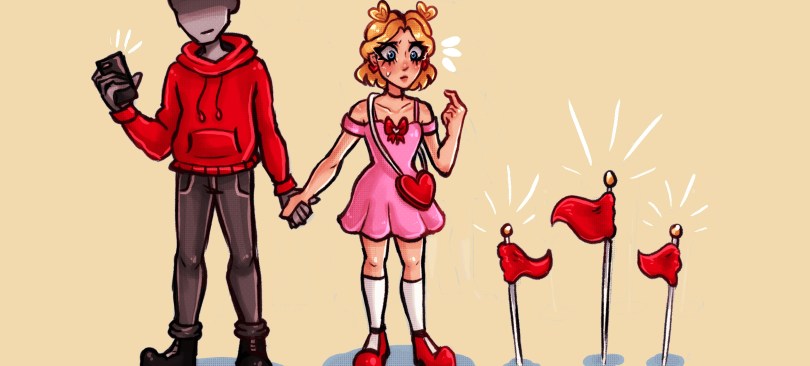
The Red Flags I Will Never Ignore Again

(And Neither Should You)

These aren’t dramatic.

They aren’t always obvious.

Most of them appear early — and we talk ourselves out of them.

Early Behavioural Red Flags

  • Intensity too soon — fair enough if its a month in, but i’m talking week 1 week 2.
  • Boundary testing on first or early dates (touching, closeness, pressure)
  • Discomfort in your body that you rationalise away
  • Inconsistent communication disguised as “busy” or “overwhelmed”
  • Charm paired with entitlement

Emotional & Psychological Red Flags

  • Making their feelings your responsibility
  • Subtle criticism framed as jokes, concern, or “help”
  • Playing victim while avoiding accountability
  • Blaming stress, substances, or mental health for harmful behaviour
  • Turning your empathy into a weapon

Consistency & Availability Red Flags

  • Talking about commitment without backing it up with action
  • Keeping you in conversation but vague about seeing you
  • Still active on dating apps while claiming interest
  • Hot–cold behaviour after intimacy (even emotional intimacy)
  • Making you feel anxious instead of grounded

Lifestyle & Coping Red Flags

  • Using drugs or alcohol to escape discomfort
  • Chaotic lives with no evidence of self-work
  • Expecting you to stabilise or rescue them
  • Treating therapy, growth, or accountability as optional

The Biggest Red Flag of All

  • You feel smaller, quieter, or less yourself around him
  • You start editing your needs to keep the peace
  • Your nervous system is on edge more than it’s at rest

Love does not feel like walking on eggshells.

Connection does not cost your health.

Desire does not require self-betrayal.

What 2025 Really Taught Me

It would be easy to frame 2025 as a year where I simply met the wrong men.

But that would let me off too lightly.

The truth is, I chose them.

Not consciously. Not maliciously. But through patterns I hadn’t fully interrupted yet.

The narcissist wanted power.

Airport Guy wanted comfort.

The Mistake wanted access.

The Avoidant wanted fantasy.

Different men — same outcome.

And while each of them was responsible for their behaviour, I have to be honest about my part in letting them close.

My Accountability

I didn’t attract these men because I’m weak.

I attracted them because I am open, emotionally literate, warm, and capable of holding space. I listen deeply. I give generously. I see people for who they could be — not just who they are in front of me.

That’s not a flaw.

But here’s where my responsibility lies:

I stayed too long in potential.

I rationalised early discomfort.

I confused intensity, kindness, or familiarity with readiness.

I allowed words to carry more weight than actions.

I also entered dating while still healing — believing I was strong enough to spot danger, without fully respecting how vulnerable that season made me.

That vulnerability didn’t make me stupid.

But it did lower my tolerance for red flags.

The Pattern I Finally Saw

Each of these men was offering something that looked like connection — but none of them were offering consistency.

And consistency is the only thing that makes love safe.

They talked.

They imagined.

They promised.

They performed.

But when it came to showing up — emotionally, practically, predictably — they disappeared, destabilised, or turned harmful.

What I learned is this:

If a man cannot meet you in reality, he will meet you in fantasy — and fantasy always collapses, its unsustainable!

We need to spot Green Flags!

The Green Flags of Real Love

(The Signs You Can Trust and Build With)

These are the behaviours and qualities that signal safety, consistency, and emotional availability. They’re not flashy or dramatic, they’re grounded in reality.

Early Behavioural Green Flags

  • Respects your boundaries — physical, emotional, and temporal
  • Doesn’t rush intimacy — values connection over convenience
  • Takes your discomfort seriously — validates it instead of brushing it off
  • Consistent communication — not overbearing, not disappearing

Emotional & Psychological Green Flags

  • Owns their emotions and mistakes — doesn’t blame you for their problems
  • Shows empathy without expectation — can see your perspective without needing to fix it
  • Encourages your growth — celebrates your strengths and supports your goals
  • Balances give-and-take — emotional labor isn’t one-sided

Consistency & Availability Green Flags

  • Follows through on plans — action matches words
  • Prioritizes quality time with you — without making excuses or distractions
  • Shows a genuine interest in getting to know you as a person
  • Keeps commitments — from simple promises to long-term discussions

Lifestyle & Coping Green Flags

  • Manages stress in healthy ways — doesn’t turn to substances to escape reality
  • Engages in self-work — therapy, reflection, or intentional growth
  • Seeks partnership, not rescue — wants a relationship of equals, not a project
  • Communicates openly — expresses needs and feelings honestly

The Biggest Green Flag of All

  • You feel fully yourself — at ease, grounded, excited, and safe
  • You can voice your needs without fear
  • You don’t feel anxious just being near him
  • You see a future and it feels like a shared love story…but you can still keep each other grounded without fear of love bombing.

Love should feel like a homecoming, not a battle.

Safety, respect, a man who is self aware and consistency are far sexier than drama, intensity, or unpredictability.

What I Want Other Women to Take From This

This isn’t about becoming colder, harder, or closed.

It’s about becoming clear.

  • Attraction without safety is not chemistry — it’s your nervous system reacting
  • Kindness without emotional capacity is not partnership
  • Words without follow-through are not hope — they are placeholders
  • If your body is in distress, your intuition already knows the truth

And most importantly:

You are not “too much” for wanting consistency.

You are not demanding for wanting clarity.

You are not difficult for expecting follow-through.

Those are the bare minimum requirements for love.

Where I Am Now

I no longer chase intensity, reassurance, or potential.

I look for:

  • Actions
  • Effort
  • Emotional regulation
  • Consistency over time

And if those things aren’t present, I don’t negotiate with myself anymore.

This isn’t bitterness.

It’s self-respect.

2025 didn’t break me.

It taught me how to stop abandoning myself.

And that lesson will change everything that comes next.
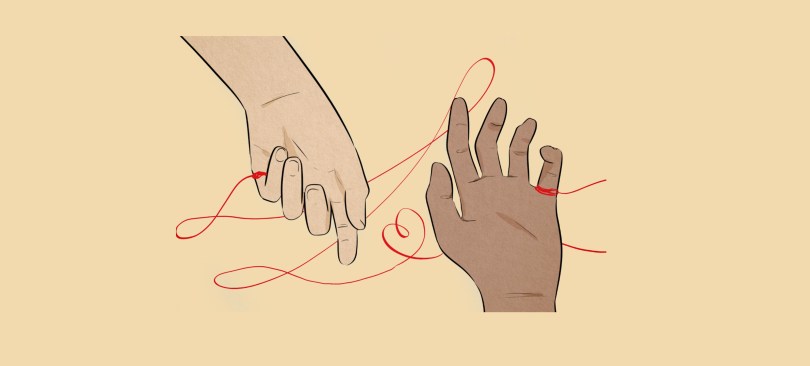
The best sex of My Life started at 40 and Trust me so can yours to!

There’s a quiet lie we’re told as women: that sex peaks when we’re young, slim, inexperienced, and eager to please.

My reality has been the exact opposite.

Sex in my 20s was full of nerves. I was in my head. I was performing. I was worried about angles, stomach rolls, facial expressions, whether I was “too much” or “not enough.” I thought confidence meant pretending — pretending to orgasm, pretending to enjoy things, pretending I knew what I was doing.

Now, in my 40s, sex lives in my body, not my head.

And the difference is everything.

The Body Shift: Strength Changed My Sexuality

One of the biggest turning points for me wasn’t age, it was movement.

Since committing to Pilates, yoga, stretching, and strength-based movement, my relationship with my body has fundamentally changed. My body doesn’t just exist anymore, it moves with intention. I understand it. I feel it. I trust it.

Flexibility, stamina, and strength didn’t just improve my posture or how my clothes fit — they transformed how I experience sex.

I move with confidence.

I don’t fatigue the way I once did.

I feel grounded, present, and powerful.

I can stay engaged, connected, and responsive for longer.

And that stamina? It unlocked a level of sexual intensity I had never experienced before.

Honestly — extraordinary is the only word for it.

Weight Loss, Fitness, and the Confidence Loop

Let’s be honest, losing weight and becoming physically fitter did shift my confidence, however not in the way people assume. It wasn’t about being smaller. It was about being stronger, more capable, more embodied.

That physical confidence created a loop:

I felt good in my body.

So I trusted my body.

So I surrendered more during sex.

So sex became deeper, more intense.

Which made me feel even more confident.

In my 40s, when I’m into someone, I’m really into them. There’s no half-heartedness. No distraction. No performance. I show up fully, and that intensity is intoxicating, for me and for the person I’m with.

Intensity Grows With Age — If You Let It

One thing no one talks about enough is this: sexual intensity can increase as you get older.

For me, orgasms didn’t even really exist in my early 20s — I faked them, yep I did, like so many women do. At 27, I experienced my first real multiple orgasm, and since then? It’s been a steady, powerful evolution.

Now, in my 40s, my orgasms are deeper, more embodied, more consuming, and more connected to my breath and movement.

I experience different kinds of orgasms depending on the type of sex I’m having. That curiosity, that openness — is something I never allowed myself when I was younger.

This past year, despite being one of the worst years I’ve ever had for dating emotionally, I also experienced some of the best sex of my life.

Not because of luck.

Because of freedom.

Open-Mindedness Without Shame

I’m not interested in ticking boxes or sticking to scripts. I’m open-minded because I understand my body and because I want sex to evolve, not stagnate.

For me, that has meant being curious about introducing new sensations into my sex life and not being afraid to explore what heightens pleasure. That curiosity has included experimenting with things like poppers (alkyl nitrites), and honestly, the intensity they can bring to orgasm is on another level entirely, crazy you can buy these things on Amazon, for a girl that doesn’t even have caffeine in her coffee, this was quite the experience. I’ve never considered myself a drug taker and I never will be, but poppers are widely available and, when used intentionally, the heightened sensation they create during sex can feel absolutely explosive. The intensity is difficult to describe — it’s consuming, immersive, and unlike anything I had experienced before, however it only adds, to what needs to be incredible sex.

But exploration doesn’t have to mean anything extreme. Sometimes it’s the smaller ingredients that completely transform the experience. Teasing. Anticipation. Power dynamics. Touch. I know, as a woman, that I love to be teased. I love a sense of confidence and masculinity from a man. I love the energy shift when someone knows exactly what they’re doing and isn’t afraid to lean into it.

That’s the point: electrifying sex looks different for every woman.

And we’re allowed to ask ourselves what makes it electric for us.

Why limit ourselves to the same routine, the same positions, the same outcomes? Why assume sex has to look one way? Now as I have sexually matured, certain positions I just don’t enjoy anymore, mainly because I feel that break in connection, such as ‘Doggy Style’ , I mean it just feels a bit cheap, but hey reverse cowgirl, kinda still a turn on! Just exploring different types of intimacy, deeper connection through oral sex, different forms of touch, or new dynamics, can unlock entirely different kinds of pleasure and orgasmic experiences.

I don’t see exploration as reckless, I see it as intentional and embodied. When you’re grounded in yourself, you know your limits. You know your boundaries and you know what feels right for you.

Sex doesn’t have to be repetitive to be safe.

It doesn’t have to be predictable to be satisfying.

And it certainly doesn’t have to stay the same forever, you can keep a relationship for years and with the right amount of effort keep the power of sex off the scale..

Sex Stops Being About Impressing — And Starts Being About Pleasure

In my 30s, sex often felt like an audition. Trying to impress. Trying to be chosen. Trying to be desirable.

In my 40s, sex is something I do for me.

And here’s the secret no one tells you:

When you’re having sex for your pleasure, partners feel it immediately.

Confidence is contagious.

I take the lead when I want to. I give guidance without apology. I’m not afraid to say what I want, how I want it, or to invite someone to explore my body with me.

And presence? Presence is magnetic.

Fantasy, Anticipation, and the Power of Desire

Right now, I’m in a period of celibacy and yet, my desire feels more alive than ever.

I have my eye on someone and WOW the anticipation? Electric.

Fantasy has become richer with age, not desperate or rushed, but slow, intentional, delicious.

Masturbation, Self-Knowledge, and Sexual Ownership

A woman who knows how to pleasure herself is a woman who knows her body.

Masturbation isn’t something you “outgrow.” It’s something you grow into.

Self-pleasure builds confidence, awareness, and autonomy. It reminds you that your body belongs to you.

What I Know Now (That I Didn’t Then)

Confidence is sexier than perfection.

Strength and stamina matter more than youth.

Orgasms deepen when you’re embodied, not self-conscious.

Desire doesn’t disappear with age — it matures.

When you’re free in your body, your partner feels free too.

A Message to Women Reading This

If you’re in your 20s, 30s, 40s, or beyond, your most satisfying sex may still be ahead of you.

Move your body.

Get strong.

Touch yourself without shame.

Explore curiosity over performance.

Let confidence come from inside.

Sex doesn’t fade with age — it evolves.

And for me? I can honestly say:

I’ve never been more excited about sex, life and my future sex life— than I am now… and I want you to think to yourself, create your own story, create your own sexual future… enjoy every second…

‘If you want to learn how to develop your sexual being and sexual confidence, join me for confidence coaching, I will partner with you to ensure your best sex is only weeks away’ p

Email me on transformwithkerry@gmail.com or contact me http://www.transformwithkerry.co.uk

What Would Happen If We Walked Away From Dating Apps in 2026?

Dating apps promised connection. Instead, they’ve left many of us anxious, disposable, and lonelier than ever.

My mum doesn’t believe me when I tell her that the only real way people meet these days is through dating apps. She’s from a different generation, one where people met through friends, work, chance encounters, or simple introductions. You met someone, you liked them, and you tried to make it work.

Today, dating feels nothing like that… it’s even hard to imagine, life was that simple, once!!

In 2026, dating apps dominate modern romance, yet, more people than ever feel emotionally burnt out, disconnected, and deeply unsure about love. So I keep asking myself the same question:

What would actually happen if we all made a conscious decision to walk away from dating apps?

Dating Apps and the Rise of Modern Dating Anxiety

There’s no denying it, dating apps have rewired how we connect.

Psychologically, they operate on the same reward systems as gambling: dopamine hits, intermittent validation, endless novelty. You swipe, you match, you wait. You check notifications. You compare. You question your worth.

Research over the last few years has consistently linked dating apps to:

  • Increased anxiety and stress
  • Lower self-esteem
  • Addictive usage patterns
  • Emotional burnout

So much so that users have attempted to sue dating apps, claiming the platforms are deliberately designed to encourage compulsive behaviour, emotional dependence, and prolonged singlehood rather than healthy relationships.

And honestly? I believe it, I have seen it with my own eyes, and my eyes are so tired of it..

Recently, I deleted Tinder and Bumble completely, I barely used Raya and have now set it to friends only. I thought everything was gone — until I realised I still had Hinge on my work phone. I hadn’t checked it in weeks.

There were 236 notifications.

And I didn’t feel excited. I didn’t feel curious.

I felt sick.

I didn’t even want to open it. I just wanted my pictures offline. I didn’t want to exist digitally anymore. That, in itself, says everything about what dating apps do to us. As soon as I clicked onto it, to delete, the universe spoke, on a dark reminder of why I want to be offline, lay before me on my screen, It was like I was being told… yes delete, delete, delete, because bad people lurk here…

The Illusion of Endless Choice

Dating apps sell the idea that more choice equals better outcomes, however psychologically, the opposite is often true.

Too much choice leads to:

  • Paralysis
  • Dissatisfaction
  • Constant comparison
  • A belief that something “better” is always out there

We find a diamond and still keep fucking digging anyway… why???

People become disposable, A face, A profile, A moment of interest, then… replaced. Not because something is wrong — but because the swipe never ends. It’s so cruel, not just to others but to ourselves..

We’ve become fickle and the apps reward it.

The Scariest Part of Online Dating: The 3–4 Week Pattern

This is the part nobody wants to admit — because once you see it, you can’t unsee it.

You meet someone, You talk every day, The connection feels consistent, Warm and Promising.

Then you hit week three or week four.

And something changes.

Replies slow down, Effort drops, the tone shifts. Suddenly they’re busy. Work is stressful. Life is overwhelming. They’ve got so much on.

The good mornings , the good nights disappear. The curiosity fades.

And you’re left asking:

Why does it always seem to end here? Why do people stop trying at the exact same point?

Dating apps encourage people to fantasise rather than commit, its all words and no action, To chase excitement without responsibility. To invest emotionally just enough, until someone else catches their eye.

Because someone always does.

A girl drops into their DMs. A new face swipes right. And before you know it, the excuses begin:

“I didn’t get a chance to reply.”

“I’ve been exhausted.”

“I’ve just been really busy.”

It’s not that they suddenly became busy.

It’s that their attention moved elsewhere… and it hurts…

When You Have a Good Heart, This Hurts More

This pattern cuts deeper when you’re someone who leads with sincerity, when your heart is pure, and you just simply hope for a glimmer of happiness in love…

When you like someone, you focus. You don’t browse. You don’t keep your options open “just in case.” Once you’ve met someone, you don’t feel the need to even look at an app.

So when things fade — again — it makes you question everything:

Who do I get close to?

Who do I trust?

When is it safe to let my barriers down?

As a woman, I sometimes wish I could be colder, more guarded, less emotionally available. Like friends of mine who can detach easily and give nothing away, and play the complete bitch, and they get treated like absolute royalty..

But I can’t help who I am.

And that softness — in a swipe culture — feels like a liability…

The Emotional Cost of Subtle Withdrawal

What makes this even harder is how quiet the withdrawal is.

If you’re intuitive, you feel it instantly. You notice the shift before it’s acknowledged. The delayed replies. The lack of effort. The energy change.

So when it happens again, it’s not just disappointment — it’s exhaustion.

It makes you not want to date at all. Not because you don’t want love, but because you’re tired of walking the same emotional loop with different faces.

Sometimes, you wish the internet didn’t exist, because people used to learn how to love. They worked through boredom. They chose each other. They didn’t disappear when novelty wore off.

Now, instead of asking “Can I grow with this person?”

People ask “Who else is out there?”

And that question alone destroys connection.

This is why celibacy is so key, because we can give part of our souls, but at least our body can remain untouched and we can hold onto some dignity. The real sadness these days, is how a lot of women, do give their bodies up too early, too freely, and the men take take take.. so you’ve given everything and feel left with nothing, and it hits you twice as hard.

Are Dating Apps Really How Most People Meet?

Despite how dominant apps feel, the data tells a different story.

While dating app usage has skyrocketed over the last decade, most long-term relationships still don’t start online. Even now, the majority of couples meet through:

  • Friends
  • Work
  • Social circles
  • Shared interests
  • Real-world environments

Apps feel unavoidable, but they aren’t the only way. They’ve just become the loudest.

What If We Walked Away From Dating Apps in 2026?

If we collectively stepped back, even temporarily, something interesting might happen.

  • Effort would return — because access wouldn’t be endless
  • Presence would matter more than performance
  • People would have to communicate instead of disappearing
  • Traditions would slowly reinstall themselves

When temptation isn’t constantly in your pocket, you’re more likely to lean into what’s in front of you.

And maybe — just maybe — if we stepped away from apps once we met someone, we’d actually try. We’d communicate. We’d work through discomfort instead of escaping it.

Choosing Depth in a World Addicted to Dopamine

As I step into 2026, I don’t have all the answers when it comes to love. I don’t know where life will take me romantically. What I do know is that I’m no longer willing to participate in something that leaves me feeling anxious, disposable, or disconnected from myself. I have hopes, I have dreams, I have affection, right now even desire, and I know where my heart points… but still trying to remain the ever optimist, and hope somewhere in this big wide world, a good man who aligns still exists.. somewhere.. maybe an ocean away… but there will be that man in the world, who brings calm, brings smiles, and brings a genuine love…

Right now, I’m single and you know what I’m okay with that… because I know my worth and what I deserve… and what’s more so If I feel the tone change, trust me, I will switch off quicker than any guy saying ‘Sorry Ive had a busy day’ – FU and FU …

So until a man asks me to be his girlfriend, his girl, until there is clarity, intention, and consistency — I choose to remain exactly where I am. Open-hearted, hopeful, but no longer available for half-effort, fantasy, or emotional breadcrumbs, darling, you we’re great for the 3 week Disney story, now I have shit to do, but yes, I use the word hopeful… you just never know, what’s around the corner!

Sadly Dating apps have trained us to believe that being alone is something to fix quickly, rather than something to sit with consciously. They’ve taught us that love is abundant but shallow, that connection is instant but disposable, and that if something feels hard, there’s always another option waiting.

But real love has never worked like that.

Love requires patience. It requires discomfort. It requires staying, even when the novelty fades and perhaps that’s why so many people feel lost now: not because love no longer exists, but because we’ve forgotten how to nurture it.

We’re living in a time where people want the feeling of connection without the responsibility of maintaining it. Where intimacy is mistaken for attention. Where consistency feels rare, and emotional safety feels almost radical.

And yet — despite all of this — I don’t believe love is gone.

I believe it’s quieter now. Slower. Less performative. I believe it exists in real conversations, in shared experiences, in moments that aren’t filtered or curated for an audience. I believe it grows when temptation isn’t constantly whispering in your pocket, telling you someone else might be better.

Maybe walking away from dating apps isn’t about rejecting modern dating entirely. Maybe it’s about reclaiming our nervous systems. Relearning how to be present. Choosing depth over dopamine.

Because when you remove endless choice, what’s left is intention.

When you remove constant comparison, what’s left is appreciation.

And when you remove distraction, what’s left is the possibility of something real.

So perhaps the question isn’t “How do we find love in 2026?”

But rather:

“How do we protect it when it shows up?”

And maybe — just maybe — the answer starts with putting the phone down, stepping back into the world, and allowing connection to unfold the way it always did… slowly, imperfectly, and humanly. Maybe the olden day love is still out there, maybe we just need to allow our eyes to glance further than our phone screens, and maybe we should just cherish the connections we do make.. making our own Hollywood ending…

You never know, maybe love is already in your life.. and you’ll find it when the distractions cease…