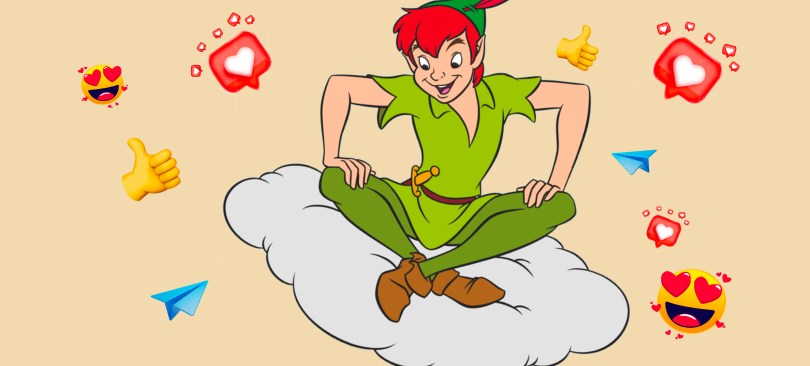
The Peter Pan Syndrome. Why are you still addicted and chasing validation over Love – A post for men in their 40s

The phrase “Peter Pan Syndrome” comes from the fictional character of Peter Pan. However today, In popular psychology, it describes adults who resist the emotional responsibilities that usually come with adulthood, commitment, accountability, and deeper emotional intimacy.

While it’s not a formal clinical diagnosis, the term is often used to describe a pattern seen in some men who remain psychologically attached to a lifestyle of freedom, novelty, and validation long after their peers have moved into more stable phases of life. I mean for those reading this, who have been unfortunate enough to encounter this in a partner… You will feel this!

For some men, this pattern becomes most visible in the mid-to-late 40s, when a deeper internal conflict about identity, ageing, and self-worth begins to surface.

The Mid-Life Identity Shift

Many people assume maturity simply comes with age, however emotional development does not automatically follow the calendar.

For men who spent their 20s and 30s prioritising independence, lifestyle, or career success, over family life, their 40s can trigger a subtle identity crisis, and wow as the 40s go on, the shut downs become a form of self sabotage and self abuse.

This stage of life often brings new psychological questions:

  • Who am I now that youth is fading?
  • What do I actually want long-term?
  • Have I built something meaningful?
  • What does commitment mean at this stage of life?

For men who have avoided deeper emotional work, these questions can feel uncomfortable or even threatening. Instead of confronting them, some respond by doubling down on youth-oriented validation… Cue The Topless Pics on Instagram!!!

The Validation Loop

One modern factor intensifying this dynamic is social media.

Platforms like Instagram and TikTok, have created environments where attention and admiration are constantly available.

For men in their 40s who:

  • stay physically fit
  • maintain a youthful appearance
  • cultivate an attractive online presence – (Yep we’ve all seen those Hot Daddy types)

There can be a steady stream of attention from younger women…

This attention can create what psychologists sometimes describe as a validation loop.

The cycle looks something like this:

  1. Post photos or content online
  2. Receive admiration and attention
  3. Feel temporarily validated and ‘Good for their age’
  4. Then they go on and on and seek more attention to maintain that feeling

Over time, this external validation can become psychologically addictive. Instead of developing deeper emotional intimacy with one partner, the person begins relying on ongoing admiration from many people to reinforce their sense of self-worth… I mean, yes they look good, so in their minds, they’re not doing anything wrong, and will try so hard to justify their behaviour patterns, despite what those who love them tell them.

Why Validation Becomes So Important in the 40s

The mid-late 40s can be a psychologically sensitive period for many people.

It is often the stage where:

  • physical aging becomes more noticeable
  • social roles begin to shift
  • long-term life outcomes become clearer

For some men, especially those who strongly identified with youth, attractiveness, or freedom, this stage can trigger a quiet fear:

“Am I losing my value, my looks?” “Do I still have it?” – Attention from younger women can temporarily soothe that anxiety. It reinforces the belief that they are still desirable, still youthful, still relevant, but because this reassurance is external, it often needs to be repeated constantly. For that moment, they can tell theirselves, “Hey, I still have it”.

Avoidance and Emotional Distance

When validation becomes the primary emotional reward, deeper relationships can start to feel threatening.

A committed relationship requires:

  • emotional vulnerability
  • accountability
  • compromise
  • long-term investment

For someone caught in a validation cycle, these demands can feel restrictive. As a result, some men may become avoidant in relationships.

Avoidant behaviour can show up in different ways:

  • withdrawing when emotional conversations arise
  • keeping relationships undefined
  • prioritising independence over connection
  • losing interest once emotional depth develops
  • Keeping relationships surface level and fantasy, rather than reality

To a partner, this can feel confusing. The person may appear charming, attentive, and engaged at the beginning, but pull away when the relationship starts to require deeper emotional presence. This isn’t just down to identity and ageing struggles, this can also be deep rooted from Childhood trauma, and that missing link between, not feeling loved, not feeling enough.

Why Some Men Disregard Partners

When someone is heavily reliant on external validation, relationships can start to function more like sources of affirmation rather than mutual emotional partnerships.

This means a partner may be valued primarily for:

  • admiration
  • attention
  • excitement

rather than for the deeper emotional connection they bring.

Once the novelty fades, or once the relationship begins asking for more emotional maturity, the avoidant partner may disengage.From the outside, this can appear as sudden indifference or disregard. However, psychologically, it is often rooted in discomfort with vulnerability and a strong attachment to independence.

Do Men in Their Mid-to-Late 40s Struggle More With Avoidance?

Avoidant behaviour isn’t limited to any specific age group. However, certain factors can make it more visible in the mid-late 40s.

By this stage, a man may have:

  • decades of independent lifestyle patterns
  • a history of casual or short relationships
  • Trauma from partners leaving or cheating on them, due to emotional immaturity and capacity
  • strong identity built around autonomy

If emotional growth hasn’t kept pace with life experience, these patterns can become deeply ingrained, and need incredibly deep therapy in order to achieve change, At the same time, increased attention through social media or dating apps can reinforce the belief that there is always another option, and this is why they will never achieve the dream, because they will find their 10/10 and it still won’t be enough, the overwhelm and pressure their behaviour patterns will demonstrate will talk them out of every possibility of that dream.

This combination, long-standing independence plus endless validation, can make avoidance easier to maintain, and the sad reality is, they will never achieve the dream, even if they are 100% convinced they will. This is he real sadness here, because quite often these aren’t bad people, their early childhood and quest to be seen and appreciated, is their horrific downfall in life. Without accountability, recognition and honesty in therapy, the behaviour will serve them till their last breath.

The Difference Between Age and Maturity

The key takeaway is that age alone does not create emotional maturity. Some people develop strong emotional intelligence early in life through reflection, relationships, and self-awareness. Others can reach their 40s or 50s still operating from patterns established much earlier.

True maturity involves:

  • the ability to self-reflect
  • accountability for one’s behaviour
  • emotional availability
  • willingness to grow through discomfort

Without these qualities, chronological age becomes largely irrelevant.

The Real Question

When evaluating a partner, the most important question is not their age. It is whether they have done the inner work required for emotional intimacy.

Someone can be:

  • 30 and deeply self-aware
  • or 45 and still seeking validation in the same ways they did at 25.

Understanding this distinction helps explain why some relationships with older partners feel stable and grounded, while others feel confusing or emotionally distant.

The question is: Are you stuck in the Peter Pan Syndrome?

How to focus on Moving Beyond the Peter Pan Pattern: Growth in Midlife

While patterns like avoidance or validation-seeking can become more visible in midlife, they are not permanent traits. The 40s can actually be one of the most powerful periods for emotional growth, and they can glide into their 50’s with clarity and wisdom, and maybe an acceptance of the odd grey hair! Many people use this stage to reassess their identity, values, and the kind of relationships they want moving forward.

For men who recognise themselves in some of the patterns discussed, seeking constant validation, avoiding emotional depth, or feeling caught between youth and maturity, the good news is that change is entirely possible with intentional self-awareness.

1. Developing Self-Awareness

The first step toward change is honest reflection.

This means asking questions like:

  • Why do I rely on external attention for validation?
  • Do I feel uncomfortable with emotional vulnerability?
  • Am I avoiding commitment because of fear, past experiences, or loss of independence?
  • Am I truly hurting people, because of my behavioural patterns?

How did those questions make you feel? Did you lean in and then lean out? Yes the acceptance this could be you, is difficult, but needed…

Understanding the root of these behaviours can help shift the focus from blaming circumstances or partners toward personal accountability and growth.

2. Redefining Identity Beyond Youth

One of the deeper challenges in midlife can be the transition from identifying with youth and freedom to embracing a more grounded sense of self.

Rather than viewing aging as a loss, many men find greater confidence in:

  • life experience
  • emotional wisdom
  • stability and leadership
  • meaningful relationships

True attractiveness often comes not from appearing younger, but from self-assurance and emotional maturity.

3. Reducing Reliance on External Validation

Social media platforms like Instagram can amplify the need for constant approval. Taking a step back from the validation loop can help restore balance.

This might involve:

  • being mindful about how much attention social media receives in daily life
  • focusing more on real-life connections rather than digital feedback
  • building self-worth around character, values, and actions rather than external praise

When validation comes from within rather than from likes, comments, or admiration, relationships tend to become healthier and more authentic.

4. Practicing Emotional Presence

Avoidance often develops as a protective habit. Learning to remain present during emotional conversations is an important part of overcoming it.

This can involve:

  • listening without defensiveness
  • expressing feelings honestly rather than withdrawing
  • realising Blocking and Ghosting can cause incredible trauma for others
  • accepting that vulnerability is part of genuine connection

Emotional openness does not weaken independence, it actually strengthens trust and intimacy.

5. Embracing Growth Rather Than Escape

Perhaps the most important shift is reframing midlife not as a crisis, but as an opportunity.

For many men, their 40s bring:

  • greater self-understanding
  • clearer priorities
  • the ability to form deeper partnerships

Rather than chasing youth or external validation, this stage of life can become a time to build meaningful relationships and emotional stability.

Final Thoughts

The idea of “Peter Pan Syndrome” highlights a pattern, but it does not define anyone permanently. People grow when they are willing to reflect, learn, and adapt. Willing to take accountability for how they not only hurt others, but theirselves to.

Emotional maturity is not determined by age, status, or appearance it comes from self-awareness, accountability, and the willingness to evolve, see patterns and work in depth with therapists and self awareness to repair and heal.

For men navigating midlife, the most powerful transformation often begins with a simple shift in perspective: moving from seeking validation to creating a life built on authenticity, connection, personal growth, and acceptance that real validation comes from ourselves and a partner who truly sees us, hears us, supports us and loves us.
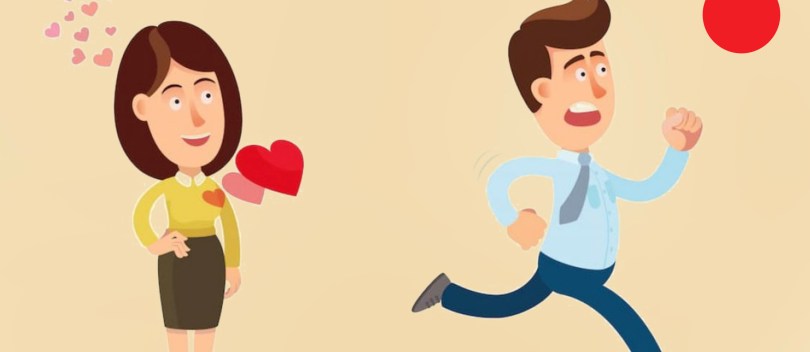
When Love Has Nowhere to Go. What happens when you fall for an Avoidant

There is a particular kind of heartbreak that doesn’t explode, it dissolves.

No dramatic betrayal, no obvious cruelty. no moment you can point to and say, “That’s when everything broke.”

Just love, slowly, quietly, with nowhere to land.

Loving someone with an avoidant attachment style often feels like pouring warmth into a room with no walls. Nothing visibly rejects you, nothing violently pushes you away and yet, somehow, everything disappears.

Not because the love wasn’t real.

Simply because it could not be received.

When Everything Feels Aligned

It often begins with something that feels rare, connection that feels effortless, conversations that stretch late into the night, laughter that feels easy, natural, unforced. Moments of closeness that feel deeply mutual. There is chemistry, there is emotional resonance. There is, at least for a time, a sense of alignment, the most beautiful alignment.

You don’t feel like you’re forcing something.

You don’t feel like you’re chasing.

It feels like something unfolding, a beautiful foundation being built with two human beings falling for each other.. and this is what makes it so confusing later, because nothing about the beginning feels incompatible. In fact, it often feels unusually right, perfectly right, and most of the time it is right…or at least could of been..

However, attachment dynamics don’t always reveal themselves at the start, because avoidant individuals can connect, in the beginning.

They can feel deeply.

They can even fall in love.

What they struggle with is not feeling, but staying.

Love vs. Fear: A Different Internal Reality

For the person who loves, closeness feels like safety, yet for the avoidant, closeness often feels like danger.

This isn’t a metaphor. It’s neurological. It’s sadly fact, and a fact even the avoidant themselves isn’t aware of.

Research in attachment theory shows that individuals with avoidant attachment styles frequently experience intimacy as a threat to autonomy. Emotional closeness activates the same stress responses that others might associate with loss of control, engulfment, or vulnerability.

Where one person feels warmth, the other may feel:

  • Pressure
  • Anxiety
  • A loss of space
  • A subtle sense of being trapped
  • A rising need to pull away
  • A feeling that the situation, relationship or partner isn’t right for them.

Nothing externally catastrophic needs to happen, no huge row… simply their body and mind, starts to reek havoc, slowly but surely, and they start to believe that they’re feeling this because the relationship or partner is wrong, they physically feel a build of anxiety, which leads to rumination, over thinking and panic, and the feeling of feeling overwhelmed, must be somebody else’s fault, because they don’t understand this is their own mental health, and any level of accountability means, it’s their fault, this over riding sense of anxiety, sickness, sleepless nights, lead to them saying ‘this isn’t right’… but please note, you could be a 10/10partner, but their mind will convince them you’re not right, and this is their own fear.

The relationship itself becomes the trigger, not because the love is wrong, but because the deeper the love and intimacy activates deeply wired protective strategies formed long before the relationship began. This is why most avoidants can only survive in relationships that are surface or fantasy based only.

The Tragedy of Misaligned Meanings

This is where the quiet sadness lives.

Two people experiencing the same relationship, but inhabiting entirely different emotional realities.

The loving partner experiences:

  • Growing closeness
  • Deepening attachment
  • Emotional investment
  • Hope
  • A desire for more connection
  • Love
  • Safety

The avoidant partner experiences:

  • Increasing discomfort because the feeling of love = anxiety
  • A need for distance to avoid accountability, and to feel safe
  • Emotional overwhelm, to the point it leads to both mental and physiological break down
  • A sense of losing independence, not being heard
  • Fear disguised as detachment

The same moments that feel like bonding to one person who has emotional capacity and maturity, but may feel like suffocation to the other.

No one is intentionally cruel, no one is consciously sabotaging.

And yet, damage happens anyway, because one of the parties didn’t realise what they we’re feeling was love…

When Love Becomes Something to Escape

As intimacy deepens, the avoidant nervous system often shifts into protection mode.

Common patterns begin to appear:

  • Emotional withdrawal
  • Subtle distancing
  • Reduced communication
  • Increased focus on flaws
  • Sudden doubts about compatibility
  • A vague sense that “something feels off”

Psychologists sometimes call this deactivation, the unconscious process by which avoidant individuals reduce attachment intensity when closeness becomes uncomfortable.

Love doesn’t disappear, access to it does.

To the loving partner, it feels like confusion:

“We were so close — what changed?”

To the avoidant partner, it feels like necessity:

“I just need space.”

The Ache of Unspent Love

For the one who loves, this is where grief becomes complicated, Because the love is still there, still alive, still willing. still reaching.

But with nowhere to go.

Love needs reception, Love needs reciprocity, Love needs emotional availability.

Without those, love doesn’t vanish, it lingers.

As longing, as rumination, as the painful question: “If it felt so real, why couldn’t it survive?”. There is a particular sorrow in loving someone who could not fully accept what you offered. Not because you were too much, but because they could not stay open.

The Avoidant’s Invisible Sadness

Yet there is another side to this story that often goes unseen, Avoidant individuals are not emotionless. They are not incapable of love. They are not immune to loss. Their pain simply looks different.

Avoidant attachment is rooted in early experiences where emotional needs were discouraged, ignored, or inconsistently met. Over time, self-reliance becomes safety, Vulnerability becomes risk, Distance becomes regulation.

Many avoidant individuals genuinely care, but experience closeness as dys-regulating. The push-pull dynamic is not calculated; it is protective.

And after withdrawal, they often feel:

  • Relief mixed with guilt
  • Confusion about their own reactions
  • Lingering affection they struggle to express
  • A familiar return to emotional isolation

The tragedy is not that they do not feel, The tragedy is that their fear consistently outruns their capacity for connection. The sad tragedy lies in, this will be their life, unless they learn, invest in therapy, and start to realise, kindness and empathy for others they cause paid to is key… a simple Sorry…

Why the Pattern Repeats

One of the most painful realisations for the loving partner is this:

Love alone cannot heal attachment wounds. Avoidant patterns are not situational quirks. They are deeply ingrained strategies for emotional survival.

Without conscious self-awareness and intentional work, the cycle often repeats:

  1. Connection
  2. Growing closeness
  3. Rising discomfort
  4. Withdrawal
  5. Distance
  6. Reset
  7. Repeat

Not because the partners are wrong, but because the underlying system remains unchanged.

The Cruel Irony of Compatibility

Perhaps the saddest truth of all, You can be deeply compatible with someone, and still be unable to build a stable relationship.

Shared values, Shared humour, Shared affection, Shared dreams, shared chemistry, intense attraction….

All of it can exist.

But if one nervous system experiences love as safety, and the other experiences love as threat, alignment at the surface cannot overcome misalignment at the core, until the avoidant does the serious work needed on themselves.

When Love Isn’t Wasted – Just Unreceived

It is tempting to call this wasted love, but love is never truly wasted.

Love given sincerely is evidence of capacity, not failure.

The ability to love deeply, openly, vulnerably is not something that diminishes because it was not reciprocated. It remains a reflection of emotional strength, a person with emotional maturity but mostly, capacity, you understand the real meaning of love…

The heartbreak lies not in loving the wrong person, but in loving someone who could not remain present inside the love you shared.

A Sadness Without Villains

This kind of story rarely has villains.

Just two people:

One reaching for closeness.

One retreating toward safety.

Both shaped by histories they did not choose.

Both experiencing pain in ways the other struggles to understand.

And love…..caught between longing and fear… it’s there.. it exists…

With nowhere to go.

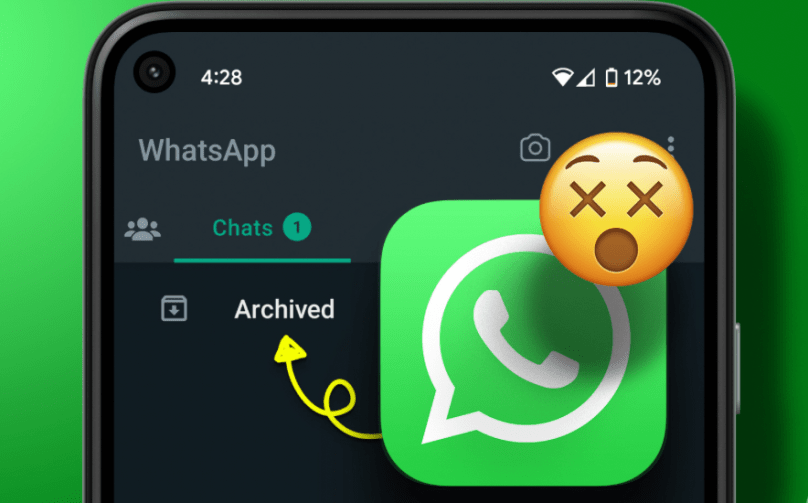
The WhatsApp Graveyard – The Hidden sadness behind the Archived chats.

There’s a sadness attached to the WhatsApp archived box that I don’t think people talk about enough. For me, it isn’t just a folder. It isn’t a feature. It isn’t even practical….

It’s a graveyard.

A quiet cemetery of conversations that once lit up my screen, once lit up my heart, once got me all excited, and then, slowly, silently – went dark. Every time I open it, I’m reminded not just of people I’ve spoken to, but people I had hope for. People who came, touched my life for a moment, said all the right things, and then floated out just as easily.

And I ask myself:

‘Kerry how did we end up here?’ How did words that felt full of potential turn into silence? How did light turn into dimness?

What the Archived Box Means to Me

The archived box feels like the place I put people when I can’t bear to see them dwindle down my chat list. Watching someone slide further and further down, past the group chats, past the random acquaitance chats, past the family you rarely reply to, is painful. It’s a visual reminder of how long it’s been since they cared enough to speak… or since I cared enough to try again.

I don’t like putting people in the archived box. I don’t enjoy the symbolic burial of a conversation that once mattered, but sometimes keeping them in my main inbox hurts even more, because every day they drift further down, it’s like watching a candle burn out in slow motion.

So I archive them, Not because I don’t care, But because maybe… I care too much.

“Out of sight, out of mind” never really works – but it gives me a moment of peace.

Why We Put People There – Psychologically Speaking

From a psychologist point of view, the archiving someone is a coping mechanism. It’s emotional self-preservation. It’s the digital version of pushing a painful memory into a drawer so it doesn’t stab you every time you pass it.

However as you know I love to do this, let’s break it down, Here’s what’s actually happening:

We’re protecting ourselves from dopamine withdrawal

When communication drops, dopamine drops. It feels like a crash. We’re wired to attach to patterns of attention, affection, and consistency… and when that suddenly stops, the brain reads it as rejection, danger, loss, and fuck me, it starts to hurt!

Archiving becomes a way to minimise triggers. In a way it’s managing pain rejection. Even psychology textbooks say the brain processes social rejection like physical pain. Seeing their name every time we open the app hurts. Archiving puts a plaster on the bruise.

We’re grieving potential – not just a person

We call this ambiguous loss. It’s grief with no closure.

The archive holds:

  • potential relationships that never became real
  • stories that could have been beautiful
  • versions of people we hoped they were
  • versions of ourselves we were becoming

When someone pulls away, we feel powerless. Archiving gives us one small act of agency and dignity…

One small click that says: “I won’t let this hurt me every day.”

The Hope That Lives in the Archive

What makes it even sadder is that the archived box isn’t just grief – it’s hope. Every time a WhatsApp notification pops up, there’s a flicker of excitement. A tiny spark. A second of wondering if one of the voices from the archive has come back to life.

And sometimes… it’s just AliExpress… That sigh of disappointment says everything. Just seeing that (1) feels like a gamble, like Russian Roulette.. The archived box is where hope and heartbreak sit next to each other, quietly. Sad isn’t it.

So I know you’re wondering, what chats and who are in your archived Kerry.. it’s very simple

My Ex Husband (RIP), My best friend who passed 7 years ago, 4 Old business chats, Two men I fell for, and 6 men I got bored of chat with, and one who didn’t know if he was coming or going… 2017 – 2025!

When Do I Decide to Archive Someone?

For me, it’s when communication starts to hurt more than it feels good. When messages slow.When replies turn into half-hearted sentences. When 10 minute podcasts turn into ‘You ok’ … Noooo Inconsistency and emotional immaturity, does not work for me! Sorry but true!

When someone who once told you they liked you begins to backtrack internally… inventing flaws in you that don’t exist, inventing “I’ve been busy”, “I’ve got so much on” , bull shit with the excuses hun, In or OUT, it’s simple.. we don’t do bread crumbing!

That’s when I archive… NOT because I want to, but because watching the decline pains me, I see it as a Soft goodbye, a gentle retreat, it could have been.. but you fucked it mate! It’s my way of saying, I deserve more!!

Are We in Someone’s Archived Box Too?

We’ll never know for sure, but we know when communication drops. We know when someone judges us silently. We know when enthusiasm fades.

And the sad truth is:

we end up in their archive the same way they end up in ours – through silence, avoidance, miscommunication, fear, or simply choosing someone else.

The Graveyard of “Almost” Relationships

When I scroll through my archive, it feels like looking at a cemetery of could-have-beens.

People I let go, People who let me go. Opportunities that slipped away, Men who chose the wrong partner over me and now speak about feeling unloved, stay in my orbit, like I am the one that got away… No Darling, you let me get away!

I sit there thinking:

If you were that unhappy… why didn’t you see me? Why didn’t you realise I’m the opposite of everything that broke you? Why didn’t you recognise sincerity when it stood right in front of you?

They didn’t. The sad thing is by the time people realise they want you, their games and inconsistency, the communication stopping…

Me being archived… Or they being archived… It’s all just a digital tombstone for a story that might have been.

Maybe the Archive Tells Us More About Them Than About Us

In the end, people often put themselves in the archived box through:

  • mixed signals
  • fear
  • avoidance
  • emotional immaturity
  • choosing comfort over connection
  • choosing chaos over calm

And maybe that’s the real graveyard – not the WhatsApp folder, but the emotional space inside someone who never let themselves love fully. Those miss out, because out of self preservation, they talk theirselves out of real happiness, and maybe you could of helped them to find real happiness..

As much as the archive feels like a graveyard, I’m learning that I don’t have to keep visiting it like a mourner. Moving on isn’t about deleting people – it’s about understanding why the story didn’t progress and why that’s okay…

How I heal, and how I move on…

1. I Accept That Silence Is an Answer

Lack of communication is communication. Confusion is clarity.

2. I Focus on My Behaviour, Not Theirs

I can’t control why someone pulled away – but I can control how I respond.

3. I Reduce Triggers Without Punishing Myself

Archiving is a soft boundary, not a failure.

4. I Let Myself Feel the Micro-Grief

Losing potential hurts – but only for a moment, not forever.

5. I Remember That Genuine Connection Doesn’t Need Forcing

The right person won’t need convincing, won’t need chasing, just to boost their own ego, they could feel scared of the whole situation, but you know what… They still show up!

6. I Let New Conversations Start Fresh

Healing is attachment repair, not emotional replacement.

7. I Rewrite the Meaning of the Archive

It’s not a grave anymore.

It’s a record of how I’ve grown.

And that’s where the shift begins: when you stop chasing the ones who keep you guessing and start choosing the ones who make you feel safe, seen, and certain. When you realise that consistency isn’t boring – it’s calming. That genuine interest isn’t overwhelming – it’s reassuring. That real connection doesn’t spike your anxiety, their emotional chaos doesn’t throw you in fight or flight, – it steadies your nervous system, you feel at home, at peace.. You can’t wait to be in their arms again!

The moment you understand this, you reclaim your attention from the chaos and redirect it toward people who actually show up. People who don’t leave you hanging in the grey area. People who don’t make you fight for scraps of effort. People who choose you in a way you don’t have to earn.

Because the right connection won’t make you overthink – it will make you exhale.

And once you’ve felt that difference, the old patterns stop feeling tempting.

Why men say all the right things, then disappear after intimacy: The Psychology behind mixed signals..

If you’ve ever found yourself wondering why someone could look you in the eyes, promise connection, talk about a future with you, make you feel chosen… only to vanish after sex, you’re not alone. In today’s dating world, this is one of the most common and painful experiences many women face. We hear all the right words, we feel the emotional spark, we start to trust what’s being built… and then suddenly, the warmth turns cold.

This blog explores why this happens, what’s really going on psychologically, emotionally, and behaviourally and most importantly, why this isn’t a reflection of your worth. If you’ve been ghosted, future-faked, or emotionally led on, I want you to feel seen, validated, and empowered by the end of this. It’s shitty but it happens, and we can’t help it when the anxiety sets in, finally you thought you’d met a good’un, only for them to turn out like everyone else!

The Good morning and sweet dreams texts vanish, the X at the end of messages vanish, the ‘We’ve got this’ is a long distance memory and the ‘next date’ talk dries up dryer than the Sahara. There is a real sadness to this, and its something I have studied deeply, yet I still don’t have the answers, I still cannot understand why people treat the other party like this, because its painful and hurtful, and however strong you are as a person, it can still be crushing, facing the reality, that they ‘Just aren’t into you’ – Wow now that reminds me of one of my first blogs! (Anyone remember)!

Why Do Some Men Say All the Right Things… Then disappear?

There’s a specific kind of heartbreak that doesn’t just hurt, it leaves you confused, doubting yourself, and second-guessing everything that felt real. One minute he’s saying, “I can’t wait to spend more time with you,” “We’re going to get through this together,” and “I see something with us.” The next minute? He’s cold, distant, silent, or suddenly dealing with problems that never existed before.

But here’s the part most women never get told: this pattern has nothing to do with your value. It has everything to do with his lack of integrity, emotional maturity, and capacity for real intimacy.. FACT!

Some people use Words as Tools, not Promises

There are men who treat words like currency, something they spend to get what they want in the moment. They say whatever will create closeness, comfort, and trust, without thinking about the emotional consequences.

They’re not necessarily masterminds or villains; they’re emotionally immature.

To them, phrases like:

  • “I’m really into you.”
  • “I can’t wait to see where this goes.”
  • “We could be great together.”

…are more about creating a vibe than establishing a genuine intention. Meanwhile, you take those words seriously, because you meant yours.

Sex and intimacy triggers Vulnerability, and Avoidant men panic

For emotionally unavailable or avoidant men, sex is the moment when everything suddenly feels “real.” This is when he realises he might need to follow through. He might need to show up. He might need to actually invest.

Instead of communicating like an adult, he withdraws.

He blames stress, work, family problems, mental health, anything that lets him exit the situation while saving face. These “problems” usually appear out of nowhere because they’re not genuine issues, they’re escape routes. They’re his reason to go cold, his reason to run away.

They want the Fantasy, not the responsibility

This is a big one.

Some men genuinely love the idea of connection.

They love the chase.

They love the emotional intensity.

They love feeling wanted.

But when it’s time to turn that fantasy into something real, consistency, communication, accountability, they freeze. They don’t want a relationship; they want a moment and when the moment is over, so is their effort.

Their Disappearance is not a Reflection of You

This part matters:

Just because someone wasn’t able to follow through doesn’t mean you weren’t enough. It means they weren’t capable.

A man who is ready, emotionally aware, and genuinely interested won’t go cold after intimacy. He won’t future-fake. He won’t treat closeness as a performance and then retreat as soon as the spotlight fades. His behavior says nothing about your desirability, beauty, value, or lovability.

It only reveals his emotional limits.

The Hard Truth: Some men chase the high, not the Connection

There are men who treat dating like a dopamine sport. The chase is intoxicating. The validation is addictive. The thrill keeps them engaged, but only until the novelty wears off.

Once the excitement shifts into something deeper and more vulnerable, they disconnect. Not because you changed, but because the game did, the hormones feel different, and they are not self aware or knowledgeable to realise, they’re playing on hormones.

It’s not Just “Rump and Dump” … It’s Emotional Dishonesty

The sexual part is only half the issue. The deeper betrayal is the emotional deception. He didn’t just use your body, he used your mind, your trust, your vulnerability, your openness. He convinced himself you were what he wanted, but then he knew he doesn’t know what he truly wants in life anyway!

And that kind of behaviour isn’t about sex; it’s about character.

Rump and dump is a term I got told this year, by my ex. ‘You’re not a Rump and Dump girl Kerry’ – I was like WTF!!! However my ex did mean this as a compliment, but for someone like him, the term almost felt immature and unintelligent, so it shocked me! I mean I’m glad I wasn’t lol, but what an awful expression.

It literally mean, fuck her and fuck her off!! Beautiful hey!!!!

The expression of ‘Rump and Dump’, ‘Pump and Dump’ is actually used by fraudsters – How apt – Given that situation!

What you felt was real, What he showed was his insecurities.

Your emotions were genuine, Your intentions were sincere, Your connection felt real because you were real. His disappearance wasn’t proof that you misread the situation, it was proof that he misrepresented himself. He isn’t capable of handling a woman like you.

You see with some men, avoidance isn’t about them being the enemy, its about their insecurities, it can also mean, they think they aren’t worthy of you, that you’ll get bored of them, that you’ll hurt them. Enter the over thinkers, those who have a real shot of happiness with you, but talk theirselves out of it, thinking you’re not into them, and this is so sad, because 9/10 times you are, you really are. However they would rather put up walls and talk theirselves out of what amazing relationships they could have, (and often need) , due to the fear of not being good enough.

So….

If you’ve ever been left wondering why someone could be so warm, so convincing, so emotionally intimate one moment, and then so distant the next, please hear this: You did nothing wrong. You weren’t “too much,” you weren’t naive, and you weren’t imagining things.

You were dealing with someone who lacked the depth, honesty, emotional availability and maybe sadly confidence, required for real connection.

This experience doesn’t define your future, it clarifies your standards… AGAIN!

It doesn’t diminish your value, it exposes THEIR limitations And it doesn’t mean love won’t find you, it means you’re learning to recognise who’s truly capable of offering it.

You deserve consistency, You deserve sincerity, You deserve someone who doesn’t disappear when things get real, but grows deeper into them with you, and however much you internalise this, and feel the rejection badly, think, your value, and your worth has not been diminished because of this, it’s yet, sadly another fucking learning curve! (Do they ever cease)

So hold your head high, and say my fave saying ‘Shit happens’ –