What Would Happen If We Walked Away From Dating Apps in 2026?

Dating apps promised connection. Instead, they’ve left many of us anxious, disposable, and lonelier than ever.

My mum doesn’t believe me when I tell her that the only real way people meet these days is through dating apps. She’s from a different generation, one where people met through friends, work, chance encounters, or simple introductions. You met someone, you liked them, and you tried to make it work.

Today, dating feels nothing like that… it’s even hard to imagine, life was that simple, once!!

In 2026, dating apps dominate modern romance, yet, more people than ever feel emotionally burnt out, disconnected, and deeply unsure about love. So I keep asking myself the same question:

What would actually happen if we all made a conscious decision to walk away from dating apps?

Dating Apps and the Rise of Modern Dating Anxiety

There’s no denying it, dating apps have rewired how we connect.

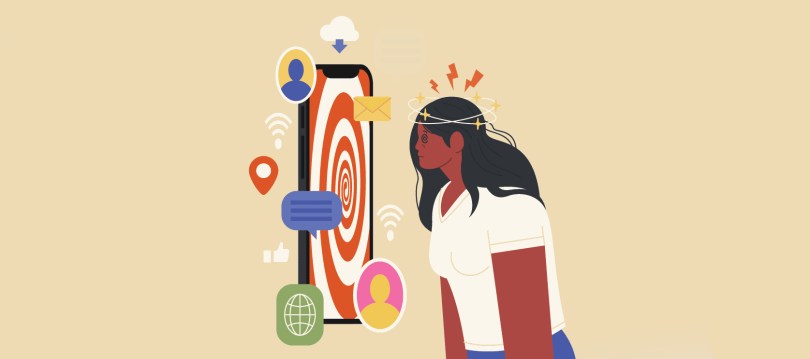
Psychologically, they operate on the same reward systems as gambling: dopamine hits, intermittent validation, endless novelty. You swipe, you match, you wait. You check notifications. You compare. You question your worth.

Research over the last few years has consistently linked dating apps to:

  • Increased anxiety and stress
  • Lower self-esteem
  • Addictive usage patterns
  • Emotional burnout

So much so that users have attempted to sue dating apps, claiming the platforms are deliberately designed to encourage compulsive behaviour, emotional dependence, and prolonged singlehood rather than healthy relationships.

And honestly? I believe it, I have seen it with my own eyes, and my eyes are so tired of it..

Recently, I deleted Tinder and Bumble completely, I barely used Raya and have now set it to friends only. I thought everything was gone — until I realised I still had Hinge on my work phone. I hadn’t checked it in weeks.

There were 236 notifications.

And I didn’t feel excited. I didn’t feel curious.

I felt sick.

I didn’t even want to open it. I just wanted my pictures offline. I didn’t want to exist digitally anymore. That, in itself, says everything about what dating apps do to us. As soon as I clicked onto it, to delete, the universe spoke, on a dark reminder of why I want to be offline, lay before me on my screen, It was like I was being told… yes delete, delete, delete, because bad people lurk here…

The Illusion of Endless Choice

Dating apps sell the idea that more choice equals better outcomes, however psychologically, the opposite is often true.

Too much choice leads to:

  • Paralysis
  • Dissatisfaction
  • Constant comparison
  • A belief that something “better” is always out there

We find a diamond and still keep fucking digging anyway… why???

People become disposable, A face, A profile, A moment of interest, then… replaced. Not because something is wrong — but because the swipe never ends. It’s so cruel, not just to others but to ourselves..

We’ve become fickle and the apps reward it.

The Scariest Part of Online Dating: The 3–4 Week Pattern

This is the part nobody wants to admit — because once you see it, you can’t unsee it.

You meet someone, You talk every day, The connection feels consistent, Warm and Promising.

Then you hit week three or week four.

And something changes.

Replies slow down, Effort drops, the tone shifts. Suddenly they’re busy. Work is stressful. Life is overwhelming. They’ve got so much on.

The good mornings , the good nights disappear. The curiosity fades.

And you’re left asking:

Why does it always seem to end here? Why do people stop trying at the exact same point?

Dating apps encourage people to fantasise rather than commit, its all words and no action, To chase excitement without responsibility. To invest emotionally just enough, until someone else catches their eye.

Because someone always does.

A girl drops into their DMs. A new face swipes right. And before you know it, the excuses begin:

“I didn’t get a chance to reply.”

“I’ve been exhausted.”

“I’ve just been really busy.”

It’s not that they suddenly became busy.

It’s that their attention moved elsewhere… and it hurts…

When You Have a Good Heart, This Hurts More

This pattern cuts deeper when you’re someone who leads with sincerity, when your heart is pure, and you just simply hope for a glimmer of happiness in love…

When you like someone, you focus. You don’t browse. You don’t keep your options open “just in case.” Once you’ve met someone, you don’t feel the need to even look at an app.

So when things fade — again — it makes you question everything:

Who do I get close to?

Who do I trust?

When is it safe to let my barriers down?

As a woman, I sometimes wish I could be colder, more guarded, less emotionally available. Like friends of mine who can detach easily and give nothing away, and play the complete bitch, and they get treated like absolute royalty..

But I can’t help who I am.

And that softness — in a swipe culture — feels like a liability…

The Emotional Cost of Subtle Withdrawal

What makes this even harder is how quiet the withdrawal is.

If you’re intuitive, you feel it instantly. You notice the shift before it’s acknowledged. The delayed replies. The lack of effort. The energy change.

So when it happens again, it’s not just disappointment — it’s exhaustion.

It makes you not want to date at all. Not because you don’t want love, but because you’re tired of walking the same emotional loop with different faces.

Sometimes, you wish the internet didn’t exist, because people used to learn how to love. They worked through boredom. They chose each other. They didn’t disappear when novelty wore off.

Now, instead of asking “Can I grow with this person?”

People ask “Who else is out there?”

And that question alone destroys connection.

This is why celibacy is so key, because we can give part of our souls, but at least our body can remain untouched and we can hold onto some dignity. The real sadness these days, is how a lot of women, do give their bodies up too early, too freely, and the men take take take.. so you’ve given everything and feel left with nothing, and it hits you twice as hard.

Are Dating Apps Really How Most People Meet?

Despite how dominant apps feel, the data tells a different story.

While dating app usage has skyrocketed over the last decade, most long-term relationships still don’t start online. Even now, the majority of couples meet through:

  • Friends
  • Work
  • Social circles
  • Shared interests
  • Real-world environments

Apps feel unavoidable, but they aren’t the only way. They’ve just become the loudest.

What If We Walked Away From Dating Apps in 2026?

If we collectively stepped back, even temporarily, something interesting might happen.

  • Effort would return — because access wouldn’t be endless
  • Presence would matter more than performance
  • People would have to communicate instead of disappearing
  • Traditions would slowly reinstall themselves

When temptation isn’t constantly in your pocket, you’re more likely to lean into what’s in front of you.

And maybe — just maybe — if we stepped away from apps once we met someone, we’d actually try. We’d communicate. We’d work through discomfort instead of escaping it.

Choosing Depth in a World Addicted to Dopamine

As I step into 2026, I don’t have all the answers when it comes to love. I don’t know where life will take me romantically. What I do know is that I’m no longer willing to participate in something that leaves me feeling anxious, disposable, or disconnected from myself. I have hopes, I have dreams, I have affection, right now even desire, and I know where my heart points… but still trying to remain the ever optimist, and hope somewhere in this big wide world, a good man who aligns still exists.. somewhere.. maybe an ocean away… but there will be that man in the world, who brings calm, brings smiles, and brings a genuine love…

Right now, I’m single and you know what I’m okay with that… because I know my worth and what I deserve… and what’s more so If I feel the tone change, trust me, I will switch off quicker than any guy saying ‘Sorry Ive had a busy day’ – FU and FU …

So until a man asks me to be his girlfriend, his girl, until there is clarity, intention, and consistency — I choose to remain exactly where I am. Open-hearted, hopeful, but no longer available for half-effort, fantasy, or emotional breadcrumbs, darling, you we’re great for the 3 week Disney story, now I have shit to do, but yes, I use the word hopeful… you just never know, what’s around the corner!

Sadly Dating apps have trained us to believe that being alone is something to fix quickly, rather than something to sit with consciously. They’ve taught us that love is abundant but shallow, that connection is instant but disposable, and that if something feels hard, there’s always another option waiting.

But real love has never worked like that.

Love requires patience. It requires discomfort. It requires staying, even when the novelty fades and perhaps that’s why so many people feel lost now: not because love no longer exists, but because we’ve forgotten how to nurture it.

We’re living in a time where people want the feeling of connection without the responsibility of maintaining it. Where intimacy is mistaken for attention. Where consistency feels rare, and emotional safety feels almost radical.

And yet — despite all of this — I don’t believe love is gone.

I believe it’s quieter now. Slower. Less performative. I believe it exists in real conversations, in shared experiences, in moments that aren’t filtered or curated for an audience. I believe it grows when temptation isn’t constantly whispering in your pocket, telling you someone else might be better.

Maybe walking away from dating apps isn’t about rejecting modern dating entirely. Maybe it’s about reclaiming our nervous systems. Relearning how to be present. Choosing depth over dopamine.

Because when you remove endless choice, what’s left is intention.

When you remove constant comparison, what’s left is appreciation.

And when you remove distraction, what’s left is the possibility of something real.

So perhaps the question isn’t “How do we find love in 2026?”

But rather:

“How do we protect it when it shows up?”

And maybe — just maybe — the answer starts with putting the phone down, stepping back into the world, and allowing connection to unfold the way it always did… slowly, imperfectly, and humanly. Maybe the olden day love is still out there, maybe we just need to allow our eyes to glance further than our phone screens, and maybe we should just cherish the connections we do make.. making our own Hollywood ending…

You never know, maybe love is already in your life.. and you’ll find it when the distractions cease…

Crossing Into 2026: Choosing Love Over Distraction, Depth Over Drift

There is something sacred about crossing into a new year.

It isn’t just a change of numbers, it’s a psychological threshold. A pause, A moment where we are invited to ask ourselves not what happened, but what matters now.

As we step into 2026, the question isn’t simply What do I want this year? It’s not about setting resolutions that fade out in February, its about realising just how special love is, and learning to recognise how beautiful it can me.

It’s Who do I want to be and how do I want to love?

Because a new year isn’t meant to be dreaded. It’s meant to be welcomed, with intention, courage, and hope.

A New Year Is a Reset, Not a Carryover

One of the most powerful things about a new year is that it gives us permission to put the past to bed.

The disappointments, The heartbreaks, The almosts and what-ifs.

They don’t disappear, but they no longer get to drive the car.

Psychologists often talk about the “fresh start effect”, the idea that temporal landmarks (like a new year) increase motivation for meaningful change. We are more likely to recommit to our values when we feel we are beginning again. 2026 offers that doorway.

This is the year to say:

I’m not dragging old negativity into a new season.

The Question We Avoid: Are We Actually Choosing Love?

We live in a time of endless options, but shrinking commitment.

Dating apps promise abundance, yet study after study shows that choice overload leads to dissatisfaction, not fulfillment. When we believe something better, something easier, is always one swipe away, we stop tending to what’s right in front of us.

And that’s where love quietly slips through our fingers.

What if, instead of asking “Is there someone better? Something easier?”, we asked:

  • Is there potential here?
  • Does this have legs?
  • Could this grow into something meaningful if I actually stayed present?
  • What would happen if I offered consistency to this?

Love is rarely lightning every day. More often, it’s a slow burn that deepens with care, fondness and admiration.

If You’re Looking for Love in 2026

If you are single, this year doesn’t need to be about chasing love harder, it can be about meeting it differently. Do we need to stay on the swipe conveyor belt… because just one swipe can potentially change the course and direction of our whole lives… that one swipe..

Research consistently shows that long-term relationship satisfaction is less about instant chemistry and more about shared values, emotional safety, and mutual effort.

So when you meet someone:

  • Don’t rush to judge them against a fantasy.
  • Don’t treat them as disposable, they’re a human being!!
  • Don’t assume connection must feel explosive to be real, its about alignment, shared values and making each other smile.

What if this person is also looking for love, not entertainment, not validation, not distraction—but something real?

What if this meeting is a blessing? Trying doesn’t mean settling. Trying means honoring possibility.

So many of us are lost on the love journey right now, the phrase ‘I’m not ready’, has long become get out of jail free card. People run from love, and want it, however feel love is a prison, a commitment too far.. problem is, so many people will reach middle to old age, lonely, unloved and actually with more issues than they started with…

If You Already Have Love – This Is Where the Work Begins

If you’re already in a relationship, 2026 can be revolutionary, not by adding something new, but by seeing what you already have with new eyes.

Ask yourself:

  • When was the last time I truly cherished my partner?
  • When did I last remember who they were when we first fell in love?
  • Have I been loving them—or just coexisting?

Long-term studies on marriage and partnership show that relationships don’t fail from lack of love, they fail from lack of attention, consistency and communication.

So what would it look like to start again?

  • To date your partner again.
  • To speak to them with curiosity, not assumption.
  • To remember the laughter, the tenderness, the shared dreams.

Love grows where it is noticed.

The Courage of the Next Step

A new year is also a mirror.

If you’ve been together for years, ask the honest questions:

  • Why haven’t we taken the next step?
  • What fear is holding us back?
  • Are we avoiding commitment—or avoiding growth?

Commitment doesn’t trap love—it anchors it.

Moving in together.

Getting engaged.

Building a shared future.

Making a plan.

These aren’t obligations—they’re declarations:

I choose you. Not just today, but going forward the future… my life.

Becoming Better So Love Can Become Better

Healthy love requires healthy individuals.

Multiple longitudinal studies show that personal growth, emotional regulation, and self-awareness are directly linked to relationship satisfaction. Love doesn’t ask us to be perfect—but it does ask us to be responsible.

2026 is the year to:

  • Heal what you’ve been carrying.
  • Communicate instead of withdrawing.
  • Choose kindness over defensiveness.
  • Grow not just for love—but through it.

Why This Matters More Than Ever

Swipe culture trains us to consume people instead of connect with them. The data is sobering: despite more dating access than any generation before, rates of loneliness, anxiety, and relational burnout continue to rise, especially among younger adults.

A future built on disposability leads to emptiness.

A future built on intention leads to fulfillment.

A Happy 2026 Is a Chosen One

Happiness isn’t found by accident.

Love isn’t sustained by chance.

A joyful 2026 comes from deciding:

  • To stop running.
  • To stop comparing.
  • To stop assuming something better is elsewhere.

And to start believing:

What I build with care can become extraordinary.

This year isn’t about perfection.

It’s about presence.

It’s about choosing depth over distraction.

Love over fear.

Commitment over convenience.

Let 2026 be the year we stop drifting—and start developing.

Because love, when we nurture it, doesn’t just survive.

It thrives. 💫

Why Modern Dating Hurts So Much: Attachment, Rejection, and Healing in Today’s Post-COVID World

Modern dating is changing us. Not just how we meet partners, but how we relate to ourselves, our self-worth, our boundaries, our hope for connection. Something in today’s dating culture is making us forget who we are, what we deserve, and how to love ourselves first.

I’ve been watching, not just in my life, but in conversations, in friends’ stories, in what feels like the general pulse of modern love, and I’ve realised there’s something dark and quiet happening inside us. There’s something about today’s post-COVID dating world that’s not just reshaping the way we date, but the way we see ourselves. and I think it’s worth calling it out and us taking time to visit this…

Today’s post-COVID dating world is fast, unpredictable, and constantly in motion. Apps give us swipe-based access to hundreds of faces we never would have met 20 years ago. On paper, it looks like endless choice. In reality, it often produces:

  • emotional burnout
  • attachment anxiety
  • confusion and insecurity
  • fear of intimacy
  • fear of rejection

We’re wired for love – but we’re living in a culture that prioritises availability over authenticity and options over depth.

We’re wired for connection – but the environment keeps pulling us away

As human beings, our biology and psychology are designed for connection, belonging, intimacy. From the moment we were born, being seen, held, accepted mattered. Security, attachment, we evolved to crave these things because they helped us survive and thrive.

But fast forward to now, apps, social media, endless options, midnight messages, “situationships,” and ghosting. On paper, we have more “freedom” and “choice” than ever. But in practice, many of us are more isolated, more anxious, more starved for real connection.

We’ve built a dating culture that normalises disposability and emotional detachment, a culture where it’s normal to treat intimacy like a transaction, and then wonder why we feel hollow.

So when someone shows even a gesture of interest, a kind smile, a compliment,  a deep chat, even just attention, our nervous system reacts like it’s light. We crave that light. We lean into that possibility of warmth the way a plant leans toward the sun. It’s instinct, it awakens us, we WANT the light!

The biology of intimacy – why “casual” doesn’t stay casual

We tell ourselves we’re fine with casual. However our biology often thinks differently. Intimacy, emotional or physical – releases chemicals: hormones like oxytocin, bound up with bonding and trust; neurotransmitters like dopamine, tied with reward, pleasure, anticipation. Touch, warmth, closeness – they make us feel safe, seen, wanted.

Human beings aren’t built for disposability. Physically, emotionally, chemically:

  • Oxytocin (bonding + connection hormone)
  • Dopamine (reward + longing chemical)
  • Vasopressin (attachment + pair-bonding hormone)

These aren’t psychological myths — they’re biology. Intimacy signals to the brain:

Once those signals hit us, we begin to tether, Not necessarily consciously, but deep in our limbic system: “This person made me feel something real.” Maybe for a night, Maybe for a conversation. But real enough.

When that tether is formed, the weight of rejection doesn’t just feel like a lost relationship – it feels like a disruption of safety, of attachment, of self-value.

That’s why sometimes, after the “casual thing,” heartbreak doesn’t feel casual at all. It feels raw, visceral, heavy, because we attached, and tried to convince ourselves “We just wanted fun”. 

Attachment styles, vulnerability and the modern dating trap

Part of the struggle lies in our variation in attachment styles. Some of us find comfort in closeness; some recoil at it; some oscillate between the two. Roughly a third to two-fifths of adults show some kind of insecure attachment style (anxious, avoidant or disorganised). Among those, some lean toward anxious attachment – craving closeness and validation, but haunted by fear of abandonment or rejection.

In a dating environment rife with uncertainty (ghosting, mixed signals, hot-and-cold behaviour, ambiguous “situationships”), anxious people get caught in a loop:

  • They seek validation: “If I can just get this person to like me – text me, stay with me – I’ll feel safe.”
  • They become available, open, emotionally generous, seeking connection.
  • But availability sometimes gets misinterpreted as access, not value.
  • They stay, hoping for stability or love; but often meet inconsistency, indifference, or rejection.
  • Their own emotional need is dismissed, ignored, or undercut – and they’re left feeling replaceable.

That leaves a deeper wound than just being single. It chips away at self-worth. It consumes us. We try to convince ourselves we have the power, but we don’t! We don’t at all, but our conscious mind will do anything to convince us, ‘We’re ok!’ 

The paradox of “availability” vs “value” in modern dating

Here’s the painful paradox I keep seeing and not only that, what I have experienced myself:

  • If a person (often a woman) is warm, available, open to love – they are ready for connection. They offer emotional honesty, clarity, possibility.
  • Yet, sometimes the people who are genuinely looking for that kind of connection don’t recognise its value. They expect something easier: fun, convenience, less emotional labour.
  • On the other hand, a person who seems harder to get – more aloof, more “mysterious,” more reserved – can sometimes be perceived as more desirable simply because there’s a sense of challenge, of scarcity, of chase.

Sociologically and psychologically, it’s a glaring mismatch between what we need (authentic connection, emotional honesty, mutual respect) and what gets rewarded (scarcity, challenge, detachment).

It’s not about “blame” – it’s about recognising that the marketplace of modern dating values the wrong things and for those who come to it with softness, vulnerability, readiness for love –  it’s often the hardest place to find what they genuinely seek.

Rejection: more than just “loss” it’s an identity fracture

When we get rejected, when someone disappears, or treats us like we were never a priority, it doesn’t just sting. It shakes something deeper. I myself have struggled over the years with this, even trying with various therapists to understand the root cause of it all, and I know the answers now, however for most of my life, I was left feeling unwanted, unloved and rejected..

  • Validation-based self-worth: If a lot of our self-esteem depends on “being wanted,” then rejection becomes proof of inadequacy, unworthiness, or invisibility.
  • Attachment rupture: Because our nervous system may have already started to bond, rejection doesn’t feel like a story that ends , it feels like a safe place collapsing, and our whole world is crumbling
  • Internalising blame: We tend to whisper (or shout) to ourselves: “I’m too much / not enough / unlovable.” And instead of seeing that the system is what’s broken, we turn the mirror on ourselves.

In today’s environment, rejection isn’t just a breakup. It’s often felt like a personal failure.

What are we really chasing and what’s missing?

Maybe what we’re seeking is not another person. Maybe we’re seeking:

  • To be seen, to feel that someone understands us beyond the surface.
  • To be valued, to believe that who we are, what we bring, matters.
  • To be safe , emotionally, physically, mentally.
  • To belong,  to connect, to share, to build.

What so many of us discover and sometimes too late, is that these things likely begin with self. If we don’t see ourselves as worthy, safe, valuable, and whole … then no external validation can truly fill that void.

And what gets missing in that chase is often self-respect, self-compassion, self-understanding.

Healing isn’t about “not wanting love” – it’s about redefining where love starts

We can’t necessarily change the system. We can’t rename apps. We can’t make society stop valuing challenge over emotional availability. But we can start changing ourselves. We can build a different inner story. One grounded not in external validation, but internal integrity.

Here’s a rough “healing script” I’m writing for myself , maybe you, or anyone reading this, might relate too:

  1. Recognise my own worth – independent of attention. I am worthy whether someone texts me or not. I am love; I don’t need someone else to confirm it.
  2. Slow down intimacy – emotional and physical. Intimacy doesn’t have to be fast. I give my body, my heart the time to read: “Is this person safe? Do I feel respected?” before I lean in. Of course as any sexual being, of course I crave intimacy, but after my celibacy journey I realised, what I have holds value to me.
  3. Cultivate inner validation, with self-care, self-love, self-respect. I get to look in the mirror and say: “You matter. You deserve respect. You don’t need to chase love – you need to walk towards it.”
  4. Seek emotional clarity – not just physical. I value people who show up with words and actions that match. I’m not afraid to ask: “What do you want? Why are you here?”!!! Don’t be afraid to as that! Sleeping with someone will not suddenly make them fall in love with you! Trust me im pretty confident in the bedroom, but it doesn’t cast them under some love spell!
  5. Set boundaries – protect my time, energy, heart. I will not compromise my self-respect just to feel desired or accepted. I will leave what feels like convenience rather than connection.
  • Find belonging in my community and self-worth in purpose. Real love, trust, and belonging may come from friendships, passions, creativity – not just romantic pursuit.
  • Hold space for growth, patience, and self-compassion. Healing takes time. I might stumble, I might be impatient. I choose to believe that I and the people who deserve me, are worth waiting for.

Conclusion: Relearning love from the inside out

This isn’t a manifesto against dating, sex, or modern love. I still believe in love. I still believe in connection. I still believe in the power of human closeness.

What we’re really fighting against,  what we need to heal from, is the dissonance between what our hearts and bodies crave, and what this fast-moving world offers.

We’re not broken for wanting love, or for wanting closeness. We’re human. We’re wired for bonding, for care, for tenderness.

But maybe the first step is to stop chasing love as a drug. Maybe the first step is to reclaim love from within, to remind ourselves that we are already whole, already worthy, already enough. To remind ourselves its all just chemical reactions… 

Maybe then, when we do open ourselves to another person, it won’t be out of desperation, longing, or validation-hunger, but out of a surplus of self-love.

Because the love we truly deserve isn’t transactional. It’s not earned by being “easy to get” or “hard to win.” It’s simply a reflection, of how much we respect ourselves, believe in ourselves, and hold ourselves worthy of loyalty, kindness, and care.

Maybe, if enough of us do that , change the way we love ourselves first,  we begin to change the way we let others love us.

Why Dating Feels Hard in 2025: Romance, Apps & Real Connection

Modern dating feels harder than ever. From dating apps to emotional disconnect, here’s why relationships feel complicated in 2025 , and why real romance isn’t dead.

How Do We Meet People These Days , and Can We Still Find Something Real?

There was a time when meeting someone happened almost by accident. You’d bump into someone in the supermarket, catch a stranger’s eye in a coffee shop, (we all know this happens to me all the time lol) or be introduced through a friend, and romance seemed to unfold naturally. Our grandparents didn’t have dating apps, social media or an endless stream of profiles. If they found someone attractive, they simply had to talk to them or the moment would pass forever and sometimes I do wonder whether that made them braver. Not necessarily more confident, just more present in real life because they didn’t have another option.

These days, even if you see someone across a cafe whom you’re drawn to, you probably look away, second-guess yourself, or assume they’re unavailable. I’m the girl on a night out, who gets called ‘stuck up’ because I wear an engagement ring, when I’m single, and refuses to talk to anyone, and so be it, if people want to knock me for that, but I have this deep rooted personal issue, of not wanting to give people the wrong idea, and then when someone is attractive I’m too bloody shy to chat anyway, so apps have been for me the only way to truly meet someone.

Modern dating culture has conditioned us to believe that real-life connection is unusual, almost surprising, when not so long ago it was the most natural way people met. It’s not that our confidence has disappeared; it’s that the world around us has changed. Our social circles have become smaller, our work-life routines more insular, and the unspoken rule now is that if you’re single, you should be on a dating app.

In 2025, dating apps have become the dominant way to meet people. You match, chat, hope, and repeat. And while dating apps open doors, they also create complications. There’s choice overload, emotional burnout, lack of effort, and this strange feeling that everything has become disposable. Even though a large percentage of newly married couples meet online now, and around a third of adults have used apps, not all of them feel that deeper sense of connection or relationship satisfaction. In fact, some research suggests that couples who meet offline tend to feel more stable and more connected long term. So while apps give us access to more people, they don’t necessarily make it easier to find something meaningful.

What feels hardest in modern dating is how quickly things shift when two people start to genuinely like each other. You can meet someone amazing, feel a spark, be open and honest about how you feel, and suddenly the other person goes cold. It’s a pattern so many of us recognise now, and it hurts. Honesty, which should bring people closer, often seems to push one person away, And in 2025, people are terrified of being seen as “too keen,” “love bombing,” or “moving too fast,” so they hold their feelings back and hope the other person will magically intuit how they feel, and it all falls to shit! Sorry to be blunt but it does, ‘He’s not into me’ is what I think, and then as soon as I call it off, he’s like, ‘I really like you’ – TOO Late, i’ve checked out!

There are psychological and biological layers to this. When we meet someone who excites us, our bodies release dopamine and adrenaline the “new attraction” chemicals. It feels intense, addictive, hopeful. But after a few weeks, those chemicals naturally settle. If the connection doesn’t develop into deeper bonding — the oxytocin stage — the initial rush fades. Many women tend to become more emotionally invested during that bonding period, while some men may start feeling pressure, uncertainty or emotional withdrawal. It isn’t universal, but it helps explain why one person leans in while the other pulls back, and even the emotionally stable, can still be like this, I have seen men and women so incredibly self aware, not understand the biology of this period.

Then there’s the lifestyle side of modern dating. So many people say they want a relationship, yet their behaviour shows something different. They want the companionship, but not the compromise. They want closeness, but not change. We’ve normalised this idea of “this is my life — if you want me, you fit into it,” making relationships feel like something that must not disrupt personal freedom. The result? Many people like the idea of love far more than they like the reality of having to make space for it. Everyone these days is like “I love my own space”, “I enjoy my own company” – Great, good for you, but are you realising a real relationship that won’t fail = Adaptations, effort and change!

This is especially painful when you’re a giver. I know this personally. I’m a selfless person by nature — I care, I give, I show up for others emotionally and physically and because of that, people often take me for granted. I’ve experienced it in dating, friendships and even family. People get used to you being the one who understands, who adjusts, who nurtures, who comforts, who puts in the extra effort and they begin to rely on it without ever matching it. Takers are often drawn to givers because givers make their lives easier and givers, hoping for reciprocity, often hold on longer than they should. It’s a hard, painful imbalance that has become more visible in today’s dating world. I mean we are not going back to the Giraffe and Lion story, you don’t have to be a narcissist to feed off others…

It also ties into something else: fear of losing freedom. Modern dating has created a culture where people want emotional security without sacrificing independence. They want someone, but they don’t want to change anything about their life to accommodate that someone. They want connection, but not commitment that requires effort, and unless two people are equally ready to show up emotionally and practically, dating becomes an exhausting game of mismatched expectations.

But even with all of this, the apps, the fear, the disposability, the emotional imbalance, I do still believe romance exists. Not in a grand, cinematic way, but in the quiet, steady ways two people show up for each other. There are people who want to go above and beyond emotionally. People who want to care deeply, build a partnership, prioritise each other, and make their partner feel chosen and valued. These people are absolutely out there, even if they get overshadowed by the noise of modern dating apps, they could very well sat on dating apps, and they could be sat there with an inbox full, but waiting for someone like you, to show up!

The truth is, being on your own isn’t a failure. If anything, it’s where your strength grows. Being single gives you space to understand who you are, what you want, what you deserve, and what your boundaries are. Your independence becomes an asset, not a barrier. When you stand strong in yourself, you choose better. You stop tolerating less than you deserve. You recognise taking behaviour sooner. And you attract people who value your strength instead of draining it. You need to look in the mirror and love who looks back a you, love that person, and realise they need nurturing above anyone and all else. I make this a priority of mine, I look in the mirror or I take a selfie, and tell myself, Kerry you are worth more.. so do the same and never stop.

So yes, dating apps might be the main way to meet someone in 2025, and spontaneous real-life encounters might be rarer, however that doesn’t mean real love has disappeared. It means we approach dating with more awareness, more intention, and more self-worth. It means we stay open, but grounded. Hopeful, but realistic and it means we believe that the right person, whether found on an app, in a coffee shop, or through a friend, will match our effort, not take advantage of it. They will make space for us, not ask us to shrink. They will honour our giving nature, not drain it.

Romance is still alive. Good people do still exist. And no matter how complicated modern dating becomes, it’s always worth giving someone a chance when they show you they’re ready to show up too.

If we don’t keep taking chances , how will we ever know…

Why it feels like there is a shadow hanging over being a woman – Why are we treated like second class citizens.

A raw, honest exploration of why women around the world are still objectified, mistreated, silenced, and left to pick up the pieces. This blog post uncovers the social, psychological, and emotional forces behind entitlement, abuse, and violence. It offers a path toward healing, dignity and empowerment.

There’s a truth many of us carry, often silently, from early on, our bodies, our boundaries, our heartbreaks, and our dignity are under threat. Somewhere in how society functions we are taught ( or shown) that women are less than, or at risk of being treated as “available”, “used”, “taken from”. Why does this happen, why does it persist, and what does it leave in us? I was told this year by someone I was in a relationship with ‘No Kerry, Men will always be 51% and some 49%’ , Needless to say the relationship never worked out, but why in 2025 do we still face these issues!

From a young age many girls sense they are being looked at as a body, as something to be gazed upon, evaluated. Being beautiful becomes one of the strongest currencies. This isn’t just about one person’s fantasy, it’s built into social norms, media, family roles, expectations.

When women are objectified, their full humanity is diminished, they become “things to be consumed”, not equal human beings with agency. In many societies women are still paid less, expected to do more unpaid care, to fit into roles that sideline them.

Objectification and “second-class” status are deeply entwined, if you’re not free to say “no”, if your voice isn’t listened to, if your body is seen as someone else’s territory — then you’re treated as less than.

Why some men act as though they can “take” from women

There are many layers here. One is cultural: in many places men are raised with entitlement, that their desires matter more, that women exist in part to serve those desires, you only have to spend 5 minutes reading the ‘Are we dating the same guy’ groups, to see, that your situation, my situation is not just a one off! Another is psychological: research shows that among men who commit rape and assault, violent dominance, lack of empathy, peer culture and misogynistic beliefs all play a role. For example:

  • Studies of rapists who are in prison, found some view rape as “having sex without the person’s will … the one being raped doesn’t enjoy its pleasure, it’s the rapist that enjoy the pleasure.”  
  • The concept of “rape culture” captures how: victim-blaming, sexual objectification, trivialisation of assault, denial of harm, become socially normalised. 
    Society gives some men the message: your masculinity is proven by conquest, by insensitivity, by ignoring “no”. When these ideas dominate, then touching, luring, assaulting!! Some men see it not as the violation it is, but as “just what I do”.
    Another piece is power: in many sexual assaults, the issue is control, not sex. The assault is a way to dominate, humiliate, silence. That dynamic sits under many of the statistics and stories we hear.

I mean what world do we live in, but we can’t bury our heads girls… we can’t! This is factual and sadly so so close to home for so many of us!

What the numbers tell us

Some crucial, devastating statistics to ground the pain:

  • Globally, nearly 1 in 3 women have been subjected to physical and/or sexual violence in their lifetime (by a partner or non-partner).  
  • In 2023, around 51,100 women and girls worldwide were killed by intimate partners or other family members.  
  • Violence isn’t just “out there”, these are mothers, daughters, friends, women we know or might know.
    These numbers are not remote. They show how the structures around us allow, and often fail to stop, the repeated violation of women’s rights, safety, dignity.

What this does to a woman—emotionally, mentally

It fucks us up for life… Fact!! Let’s not sugar coat this!!! To feel used, to feel like someone else decided your body’s value, your heart’s value, it hurts deeply. It can lead to:

  • Shame and self-doubt (“Why did I stay? Why did I go back? What’s wrong with me?”)
  • Emotional exhaustion: being “always on guard”, managing others’ needs, protecting yourself.
  • Loss of trust: in men, in relationships, sometimes in your own judgement.
  • Anger, grief, sometimes numbness. You might carry the belief you owe something, even when you don’t and that belief itself is born of the messages you’ve internalised.
  • Loneliness: because the society around you may minimise your pain, blame you, dismiss you.
    When a man comes and uses a woman, emotionally, physically, sexually and leaves without apology or regard, the hurt is real. It’s a violation of more than the body: it’s a violation of dignity, our self worth and our love for ourselves!! Men will never ever understand just how hard us women work just to gain that slight bit of self love, and they think nothing of taking it for their own selfish gain!!

Why women sometimes continue to stay with partners…

You asked: “Why as women do we feel we owe men something? Why do we go on in relationships or have consensual sex when the dynamic is bad?” It happens and wow, more than we dare to even think. A few psychological/social threads:

  • Social conditioning: From a young age many women are taught to please, to care, to nurture. The idea of “relationship” often comes with the unspoken cost: your needs are secondary.
  • Hope and love: You may see the potential in someone. You hope the person will change. You invest emotionally. That doesn’t make you foolish, it makes you human.
  • Fear of loss: The sense of “better the bad I know than the unknown” can hold you in place. The belief “maybe this is what I deserve” comes from internalised shame.
  • Power imbalance: If someone has made you feel low, if they’ve conditioned you to believe you’re unworthy, then leaving them or saying “No more” can feel impossible.
  • Trauma bond: After violation, there can be a confusing attachment, especially if kindness or apologies occasionally surface, or if you’ve internalised blame.
    None of this is easy to untangle. The fault lies not in you having feelings or wanting love. The fault lies in the system and in the person who treated you as less.

Why does this persist? Why do men think this behaviour is acceptable?

It’s not “just one reason”, it’s a mix of culture, power, upbringing, individual psychology, structural inequality. Some contributing factors:

  • Patriarchal norms: Societies where men hold economic, political, sexual dominance make it easier for entitlement and abuse to flourish.
  • Gender stereotypes: “Real men” don’t cry, they dominate; “good women” are submissive. These expectations crush humanity.
  • Normalisation of violence: In some contexts assault becomes hidden, ignored, written off. Victims are blamed. Rapists are not held fully accountable.
  • Lack of empathy: Some men (and people) may never truly perceive another’s “no” as valid, or believe their own desire must be fulfilled regardless. Research among rapists showed a mindset of “it’s his pleasure; she didn’t matter”.  
  • Peer dynamics: Some men act for social status, to impress friends, under the idea “boys will be boys”. Rape culture theories emphasise how society tolerates or downplays sexual violence.  
  • Institutional failure: When the justice system, the police, the culture protect abusers or minimise the victim’s voice.. behaviour doesn’t get curbed.
    In short: because the system and culture allow it. And until those change, the behaviour persists.

The implications for us women

When these dynamics are allowed to run rampant, the effects ripple:

  • Self-worth diminishes: Constantly being looked at as someone else’s “use” diminishes the idea you are whole and complete in yourself.
  • Emotional trauma: Assault, objectification, betrayal, abandonment, they can cause PTSD, depression, anxiety, trust issues.
  • Social and economic consequences: Women who survive violence may struggle with employment, health, relationships, support.
  • Generational trauma: The patterns get passed down. If a girl sees a mother being treated roughly, or internalises the idea that a woman must accept less, change becomes harder.
  • Relationship choices: You may end up choosing less, settling, staying in harmful dynamics because the alternative seems scarier than the known hurt.
  • Intersectional suffering: If you are a woman of colour, LGBTQ+, disabled, migrant or from a marginalised group you can face even more layers of objectification, invisibility and abuse.
    These are not just “individual problems”. They are societal problems. When half (or more) of humanity is treated as less, we all lose.

This isn’t just one place, one culture, one story, it’s a sadness that circles around the world. Around the world women are killed, assaulted, silenced, shamed. The number of daily femicides, the prevalence of rape, the under-reporting of violence, these are global. The more I go down a rabbit hole, trying to understand, trying to understand a perpetrators mind, im saddened, sat here in disbelief, how men think they can do what they do…

The sadness is multilayered, grief for what was taken, anger at the perpetrators, frustration at the silence, shame for having believed you were at fault. The sadness for the world that this still happens, that women still have to fear, still have to defend, still have to pick up the pieces.

But let me bring in a different note, true hope…

You are not just a victim. You are not just the piece left behind. Though you’ve been wounded, you can heal. Though you’ve been treated as less, you are whole. You are and I to, a survivor, a strong independent being, reclaiming yourself.. I look in the mirror daily, and I’m like ‘Kerry, Shit happens, but you got this’.

Recognising the problem is the first step. Naming it: objectification, entitlement, violence, misogyny. Then: reclaiming boundaries, your voice, your story. Surrounding yourself with people who honour you, who love you, who you can trust. Undoing the internalised beliefs you were “less than”.

Change also happens collectively, when women speak, when men listen and change, when institutions refuse to protect abusers, when culture shifts to value consent, respect, equality.

It’s your right, not an ask, to be safe, to be respected, to have your body and heart treated with dignity. And the world must change so that isn’t a radical statement, but a foundational one.

Men all around the world, refuse to accept accountability for the word NO, they victim blame.. they think it’s their right to take… my answer is NO!!

NO Means NO

No means no.

Asleep means no.

Unconscious means no.

Not sure means no.

Silence means no.

Men must accept accountability for ignoring the word NO.

And women must stop carrying the shame that never belonged to us

If you’re feeling that you were used, overlooked, treated as disposable, you deserved so much more.

If you’re still in pain from a man who left without apology, who touched you without regard, who made you doubt yourself, your feelings are valid. The shame is not yours. It’s theirs!

If you stayed, or stayed trying, or believed again, know this: that doesn’t make you weak, just because you may have consented once, doesn’t mean the time you said NO, or couldn’t say no, any different. It makes you human. It makes you someone who hoped, someone who wanted to love. Someone who deserves peace.

You don’t owe him anything. You owe you. Your healing, your future, your freedom.

And though you may still feel lost, you are not alone. The sadness is there, yes, but so is the possibility of transformation. The possibility of reclaiming your story. The possibility of being seen, heard, valued.

For every woman who has ever been used, hurt, abandoned or silenced:

You are not broken.

You are not less.

You are not the aftermath of what he did.

You can reclaim yourself.

Your voice.

Your boundaries.

Your identity.

Your future.

Healing starts when you name the truth.

When you recognise you deserved more.

When you surround yourself with people who honour your heart.

Your safety and dignity are not privileges.

They are rights.

And the world must change to reflect that.

A Final Message to Any Woman Reading This

If someone used you and walked away, you deserved so much more.

If he hurt you and didn’t apologise, the shame is not yours — it’s his.

If you stayed, hoped, forgave, tried again, you were loving. Not weak.

Even if you once consented, that does not erase the times you said no or the times you couldn’t say it.

You don’t owe him anything.

You owe you.

Your healing.

Your peace.

Your future.

And even if you feel lost right now, you are not alone.

The sadness is real, but so is the possibility of transformation, the possibility of reclaiming your story.

Be you, feel you… Love Kerry x

Feel free to reach out to me for transformational coaching support… transformwithkerry@gmail.com

Understanding sexualisation — Why women are still sexualised? And how we can break free!

Why do men sexualise women – Even when we cover up, even when we say no, even when we swear we are off dating? I dive into the truth being objectification, biology and culture, and why real love can only truly begin with respect and a natural alignment.

All about being seen, mis-seen, and owning your story!

I’ve spent a lot of time thinking about how I’ve experienced the world as a woman: how I’ve been seen, how I feel used, how I feel sexualised. It’s a weird mixture of vulnerability, strength, frustration, even anger.

This is me writing to carry that girlhood, to bear witness to it, to ask the hard questions: why do men, regardless of religion, background, race, so often treat women as sexual objects? And why, as women, do we sometimes allow it? How much of this is about biology, how much about culture, how much about power? And what happens when your own history (for me: childhood sexual abuse) means you’ve always felt marked, always felt like the woman people want for one thing, but not for more.

My story (just enough)

I grew up feeling a certain constant, the sense that I was always the woman people saw in a certain way. Even when I didn’t want to be seen in that way. As a young girl, as I discovered my body, my femininity, my style and body, I realised other people were looking, not just looking, but categorising. The “one-night-stand” woman, the affair partner, the glamorous woman who’s fun but not serious, the girl who had brains, but was ‘just a model’. Kerry the model. In all honesty I grew up not knowing any better, my young mind warped… And then I have the memory of abuse. Childhood sexual abuse means your relationship to your own body and your own woman-self is tangled: you know you mattered, you know you were seen, and you know it was wrong. You also know that others’ seeing you has perhaps always been complicated, we personalise even the slightest look, and sit there wondering how that person is judging us.

So when, later, I try to live my womanhood fully, I take care of my appearance, I have long hair, I might get fillers, I choose to be glamorous, and still I’m treated as a sexual object, I post a selfie and often think am I allowed to take pride in how I look, the questions arise: Are we not allowed to be glamorous? To look good? To love our appearance? And why on earth doesn’t that permit us to also be respected as full human beings?

The hard questions

Why do men sexualise women in this way?

There isn’t a single simple answer, but there are strands worth pulling.

Biology & chemistry.

Men and women are different in many ways. One thing that biology offers is that men, on average, have higher levels of testosterone; a hormone often associated with sexual drive. Some argue this means men are more driven sexually, more likely to think with desire, more likely to objectify. But it’s not a justification. Hormones don’t excuse behaviours. And sexualising someone isn’t the same as a healthy sexual interest in someone consenting. Biological impulses are real, but culture, upbringing, self-control and empathy matter hugely.

Mindset, power and culture.

Sexualising a woman often isn’t just about the sexual act. It’s about power. If a man treats a woman as an object, he is seeing her as “other”, reducing her to her body or her sexual availability, not her personhood. Society still carries hierarchies: men are “allowed” to look, to pursue, to demand; women often are taught to tolerate, to receive, to hope for more than the sexual.

Our culture promotes the look-and-be-seen idea: glamorous women get attention. But then that attention becomes entitlement in someone else’s mind. A one-night stand becomes justification: “You looked that way, you must want it, you’re fair game.” The sad fact is, you can decide to sleep with someone quite quickly, however what follows the next week is a whole tornado of ‘self abuse’ – Why did I do that? Are they judging me? Am I cheap? And when women do say no, or want more than the sexual, they’re cast as “difficult”, “cold”, “too high maintenance”. It’s unfair. But it’s real. Men will want you in the moment, but then sadly a lot of guys, especially those who aren’t self aware, will mark you as ‘Not the girlfriend type’, and trust me girls, I won’t sleep with 99% of the guys I date, but because of my look, my strong personality, I still get that ‘Yeah not sure’! In all respect to those I have dated, I have become to recognise when a guy isn’t self aware, and cut my losses, and not pursued, the last few dates I have been on, straight away, I’ve had them figured out, and through my own journey as a coach and therapist training, I feel I have antennas looking for signs straight away. However why should how we look determine how desirable we are in. some circumstances, and I say ‘Some’ because women covering fully in hijabs are still victim…

Why covering up doesn’t always protect you.

You might ask: “If a woman covers up or wears a hijab, why can she still be a victim of sexual violence?” Because the root isn’t always about what she wears, but how the perpetrator sees. If he already views women as objects, or sees her body or vulnerability as a target, then what she wears may shift the context, but not the dynamic.

Here are some reference numbers:

  • According to a key charity, more than 1 in 4 women have been raped or sexually assaulted as an adult.  
  • For child sexual abuse: about 7.5% of all adults in England & Wales are estimated to have been sexually abused before age 16.  
  • As per the Office for National Statistics (ONS) the survey found that for year ending March 2022, 86% of sexual offence victims recorded by police were female; 91% of rape victims recorded were female.  

These aren’t just statistics—they reflect the lived reality of so many of us.

Relationship between men’s drive and women’s responses

There’s an imbalance in how men and women are taught to relate to sex and relationships.

Men’s drive / women’s response.

Men are often socialised to pursue, to conquer, to take. Women are often socialised to be pursued, to respond, to hope. If a man’s sexual drive is given free rein, and his empathy or accountability not sufficiently nurtured, sexualising becomes easy and relationship-building becomes harder.

Women meanwhile may yearn for connection, for being seen beyond the body, for being loved. That yearning, when combined with social messages like “you’ll be alone without a man” or “you’re nothing without love”, can mean we put our heart into new relationships too fast, or we accept less than we deserve.

Swipe-culture, first-date sex, casual affair mentality—all of that can feed the pattern. Women can ask: why are we letting men take advantage? Why do we give our first date, first night, so much of our self-worth? Because we want to be loved, wanted, affirmed. Because we’ve been taught our value includes being desirable. But the flaw is when desirable becomes the only value. Then we are easily used, not honoured. I have tried so many different ‘experiments’ lets call them, with my dating life, and still whatever side of my personality I show, whatever side of my sexuality I show, the result has been the same, and I came to realise through so much research and reading – is that us women take it personally, however this problem isn’t with us, its the men who have changed, and that’s fact.

For instance, every few months I will attempt the apps, and just last week, I started chatting to a couple of people, and wow, the dopamine fix for men having a flavour of the week, was too much for me to handle, because you know a week later, they’ll be swiping again, when you can’t give them the attention they think they deserve (from a stranger, ODD yes), so they swipe, and move on. No-one is really trying to find any depth other than the superficial. Yawn fucking Yawn! Although I will say if they can last a week and still peak my interest and there is a deeper alignment, then hallelujah!

Are we sexualising men more?

Yes, the culture changes. Women now have more public profiles, more sexual agency, more freedom to pursue men or express desire. But the asymmetry remains: when women sexualise men, men are less socially permitted to complain or to be objectified in the same way, fact girls. The power structure is different. So yes, perhaps women are more sexual in their expression now, but we are not (at least not yet) the overseers of objectification. The system still treats women differently, and how can we move away from this, can we???

What about us—the women who say “enough”

You say you’re going to swear to celibacy. That’s powerful. Whether you choose celibacy, choose slower relationships, choose deeper connection, your decision is yours, and it’s a statement: I will not be used. I will not be reduced.

Do we have to reject glamour, fillers, long hair, looking good, posting an instagram selfie? Absolutely not, I love seeing who I am now, what I represent, as I don’t see beauty, I see growth, the story of Kerry. Feminine beauty is not a sin. Wanting to feel good in your body is not an invitation to be sexualised as an object. Wanting to be seen as beautiful, to have fun, to feel empowered, that is your right. The problem isn’t you. The problem is the viewer who won’t let you be.

So, you owe nothing but your full self to anyone. If someone says “I want you just for one night,” you are allowed to say No. You are allowed to say I am worth more. You are allowed to say I want connection, I want respect, I want mutual desire and mutual regard. And if you don’t get that, you walk away. None of us are desperate enough, that we hurt ourselves in the pursuit of love.

Mindset change & how to find real love

Because here’s the truth, no one is going to find real love this way, not deep, lasting, meaningful love—if the foundation is “I want you for the night, for the moment, for the body”. That’s not love. That’s use, that’s being abused by yourself and others.

And if we keep playing that game (even passively) we become complicit in the cycle. Mindset shift time.

What we need to shift – as women

  • From “Am I desirable?” → to “Am I worthy of respect?”
  • From “Do they want me?” → to “Do they value me?”
  • From “Can I make this work?” → to “Will this bring me happiness, safety, growth?”
  • From “I’ll settle to be loved” → to “I’ll wait to be loved deeply”

What we need to shift – culture and for men

  • From “She looked that way therefore…” → to “Her appearance doesn’t give you rights.”
  • From “Pursuit equals proof of worth” → to “Willingness to stay, to walk the long road, matters more than the chase.”
  • From “Casual is fine if consenting” → to “Even consenting should bring mutual regard, not just use.”

What to do: practical steps

  • Set clear boundaries: Know what you will accept, what you won’t. Practice saying the words (in your mind or out loud – I deserve love)! Say it loud and clear!
  • Slow things down: If someone meets you and all they want is the sexual yet they neglect to ask your story, your mind, your soul, walk away. Real love takes time.
  • Check the foundation: When you meet someone, ask: “Do I feel safe? Do I feel known? Do I feel valued?” If the answer isn’t “yes, absolutely,” step back.
  • Honor your history: If your history involves sexual abuse, you have every right to heal, to protect your boundaries, to choose differently. That makes you stronger, not broken.
  • Seek community & role models: Talk with women who are choosing differently, men who are doing differently. Your story matters, your values matter.
  • Redefine your worth: Gaining respect, kindness, depth matters more than gaining “likes”, “matches”, “attention”. Your beauty, your glamour, it’s yours, enjoy it. Just make sure it’s rooted in you, not in someone else’s idea of you.

Why the system still fails—and what gives me hope

It’s not enough to talk about individual men or women. The system fails in many ways:

  • So many sexual offences go unreported, under-prosecuted. For example, for the year ending March 2024, rape made up 36% of all sexual offences, yet only around 2.6% of rape offences resulted in a charge/summons.  
  • Child sexual abuse remains huge: Children make up only 20% of the population but are victims in 40% of all sexual offences.  
  • And despite the glamour, the independence, the strength of many women, we still live in a culture that “allows” men to treat women as less, to use women as bodies instead of full beings.

But, I’m hopeful. Because more women are speaking, more men are rethinking, more boundaries are being drawn. You swearing to celibacy isn’t shame, it’s power. Saying you will not be reduced is fierce. Yes I find celibacy can be lonely, you will crave the touch and excitement, and sorry but however much I have tried, I struggle, however sometimes its better to have your mind and body, kept for you and only you.

And as women step into full ownership of their stories, full ownership of their beauty, full agency over their bodies and relationships, that is where change happens.

My Final thoughts…. or let’s call it Kerrys conclusion

To the girl you were, to the woman you are becoming: you are not here just to be looked at. You’re here to be seen, yes, but to be known. You’re not just a body, you’re a brain, a heart, a soul. And the fact you’ve felt sexualised, misunderstood, used doesn’t mean you accept it forever.

Men might have hormones, might have impulses, might have culture training them wrongly. But you have the power to choose how you respond, who you let in, what you demand. You have the power to glam, to glow, to live your femininity, on your terms.

If someone wants you only for one night and nothing more, that’s their choice, and you don’t have to play the part they wrote for you. You can write your own.

Carry your girlhood. Honour your story. Choose respect. And if anyone tells you your beauty is the problem, you know better. Your beauty is your gift. Your self-worth is not negotiable.

The sheer pain of modern dating in 2025 – Level of Fickleness exceeds….

Why Dating in 2025 Feels So Hard — From Someone Who’s Tired of Trying

I don’t know about you, but dating in 2025 feels like an emotional rollercoaster with no seatbelt. Everyone says they want something real — loyalty, love, connection — but most people don’t actually show up for it. It’s like everyone’s addicted to attention, but terrified of intimacy…. and no I don’t mean Sex, I mean real intimacy of getting to know each other…

I’ve lost count of how many times I’ve opened up to someone, only to be met with mixed signals, half-effort, or silence. People ghost like it’s nothing now. They breadcrumb you with “good mornings” and heart emojis, but no real intention behind them. It’s exhausting — trying to keep faith in love when it feels like most people are just playing games, its bloody hard, and this is why it exhausts me and I just can’t physically chat to more than 1-2 people, I get brain fog, then I worry I am becoming the ‘Ghoster’ . So whilst people will always say ‘Kerry, why do you put all your eggs in one basker’ – the answer is, with my busy life, I do not have the capacity to spread myself thinly, chatting to multiple people.

1. 

Everyone’s Scared to Settle — But Not in the Good Way

It’s not that people don’t want love — they just don’t want to choose it. We live in this swipe culture where everyone’s afraid to settle because they think there’s always something better one scroll away.

It’s like no one actually stops to appreciate what’s right in front of them. They keep chasing the next dopamine hit — the next “spark,” the next crush, the next temporary distraction — instead of investing in something that could actually grow into something meaningful.

2. 

People Use Each Other Like Emotional Placeholders

I’ve learned the hard way that some people don’t want you — they just don’t want to be alone. They’ll talk to you, flirt with you, maybe even make you feel special for a while. But deep down, they’re not building a connection — they’re just filling a void, something so missing in them, and they often don’t even realise. I have been there myself, until I pushed on with my self awareness journey.,

When people have got what they needed — validation, comfort, a distraction from their loneliness — they move on. No closure. No honesty. Just silence. And you’re left sitting there wondering what changed, when really… they were never ready for anything real in the first place.

3. 

We Mistake Attention for Affection

The lines are so blurry now. Someone sends you flirty texts, watches your stories, and gives you compliments — and it feels like something, right? But attention isn’t the same as affection. Just because they choose to orbit you, doesn’t mean they are interested. Right now I have someone I find attractive and would like to get to know, floating around in my socials, however even after I sent my number several days ago, still haven’t had a message.. and actions speak louder than…. we all know the script!

People are experts at giving just enough to keep you hooked, but never enough to build something solid. They like the feeling of being wanted, but they don’t actually want to show up for you. And that’s the part that hurts — realising someone only liked the idea of you, not the real you.

4. 

Everyone’s Wounded, But Few Are Healing

We’re all carrying heartbreak, disappointment, and emotional scars. But instead of dealing with them, people just keep dating over their pain — hoping a new person will make them forget the old one.

That’s why there’s so much inconsistency out there. You can meet someone amazing, have real chemistry, and then watch them pull away because they’re still stuck in their past. They’re not bad people — they’re just broken and too scared to admit it. But it doesn’t make it hurt any less when they disappear. Pain is very real, but people just refuse to admit they need to heal, or are so blind to their hurt, through their own sheer stubbornness, that it becomes a never ending cycle.

5. 

It’s All Surface-Level — Until It Isn’t

Everyone says they want something real, but as soon as it gets real — when feelings get involved, when vulnerability shows up — people panic. They shut down. They ghost. They tell you they’re “not ready” or they “need space.”

It’s like people want the connection without the commitment, the intimacy without the risk. But love doesn’t work that way. You can’t get the deep stuff without showing up for the hard stuff too.

6. 

And Honestly? It’s Lonely Out Here

I think a lot of us are tired. Tired of being almost loved. Tired of situationships that feel like relationships until they don’t. Tired of giving our best to people who only give us their bare minimum.

Dating in 2025 feels like trying to build something real in a world where most people are emotionally unavailable. Where being kind, genuine, and loyal makes you feel like a rare species.

But you know what? I’d still rather be real than play the game. I’d rather keep my heart soft, even after it’s been bruised, than turn cold just to fit in. Because at the end of the day, I still believe that real love exists — it’s just harder to find among all the noise. This year with Mr Narcissist, I did feel even if for a few months, that the ‘Instagram’ type of love does exist, it was bull-shit! The jetting off on trips, and 100 roses dream, must only be delivered by love bombers, fantasists or a very very low percentage of men who truly want the dream to.

So if you’re out there, trying to love with your whole heart in a world that feels disconnected — you’re not alone.

We may be the minority now, but we’re the ones who’ll eventually find something real — because we never stopped believing in it

When ADHD and Narcissists date!

The story of the Lion & The Giraffe….

Can those with ADHD really date a true narcissist successfully? I mean I say true narcissist because 2025 sees us using that word so freely. However imagine a true Narcissist, one that ticks every single box, a true narcissist combines ASPD, formally known as the term we coined ‘Sociopath’ – and imagine this person, who never believes they’re in the wrong, never feels or truly sees anyone else but theirselves , lies solum and waiting on their prey, waiting for their next supply, and who lives in a fake reality because anything that doesn’t feel like a high is surplus to them.

So lets look at the person with ADHD, the childlike, the fun, the passion filled, the excitable, the one who wants to fix everyone, and mend everything, the ultimate people pleaser. The kind warm loving ADHD’er the one who chooses to ignore red flags because they can see every negative in the world, and thinks they have the remedy and know how, on how to right wrongs, not even their own, but those of others. The type of people pleaser that will shower someone with so much love and affection….

The ultimate supply..

or

The perfect prey..

People with ADHD are often naturally drawn to narcissistic individuals in romantic relationships.This is because both personality disorders share many traits however take one as the angel and one as the devilish version… Impulsiveness, thrill seeking and competitiveness, and the ADHD’er able to understand more than most the narcissists full lack of empathy. ADHD’ers can struggle with empathy theirselves, because of the difficulties with their executive functioning, they have trouble recognising and regulating their emotions, which can take away their efforts and understanding, on the emotions of others. Quite often an ADHD can be straight to the point, almost rude, they don’t realise they do it, but when the words leave their mouth, it can cause panic when they realise what they say, albeit innocently. So as you can imagine, when someone with ADHD sees a narcissist, they often feel a strange common ground, and often wonder If the narcissist is ADHD to, as they recognise behaviour patterns, but lets face it, Narcissism is the evil big brother, the steroid version, of the very innocent ADHD traits, so of course the ADHD’er will feel there is common ground, not realising the danger that lies ahead with their innocent outlook on the situation.

ADHD is a neurological developmental disorder that affects self regulation and attention. Impulsive easily distracted and hard to stay focused, often with a need for speed and things to happen there and then. However all this is innocent, 99% wrapped in a loveable person, who wants to people please. Narcissists on the other hand, may have steroid version similar traits, however these are characterised by their grandiose self of self importance and constant need to be seen in that light and admired by all, they need validating by those lower than them, (In their eyes only) and they have zero empathy, because they don’t need to think about anyone but theirselves. They are controlling, manipulative and they use their minds wisely and their charm, to lure in the soft and the pure, into their orbit. Narcissism isn’t neuro-diversity, its a complex and dangerous personality disorder, which impacts every individual that surrounds them, from parents, to partners to their children. Narcissists can be hard to spot, and as mentioned many with ADHD will almost feel the Narc has ADHD. However common traits of a narcissist include:

A constant pre-occupation of visions and day dreams, of wealth, success, power and a family life where they hold the remote control.

A true belief they are special and unique and should only mix with people on their level, a constant need for hierarchy. Many Narcissists feel they are children of god, the feeling of special, can go off the scale.

A strong need for admiration and attention, a strong need for people to see them in a high position of authority and power.

An expectance of automatic control over other, and an expectance of others to obey and comply, and an expectancy of people to treat them ‘Special’.

An inner anger to be envious of others, and a constant feeling that others are envious of them.

A constant behaviour trait of exploiting others and manipulating others for their own gain, requirements and supply.

A split personality to the outsider, leading to outsiders never being able to settle and feel emotionally in control, as the narcissist can appear fickle and flippant, in what they want, who they are, and who they want to be with.

Narcissists can be both female and male, males tend to lead to more sociopath traits, and can often get involved in criminal activities, whilst females often get drawn into emotional and sexual manipulation of others.

The ADHD partner is the innocent Giraffe, head in the clouds, wondering the Serengeti, and the perfect prey for the Lion to take down, bit by bit, inch by inch, insult by insult… until eventually the giraffe is so damaged, its impossible to ever be able to walk on those long legs again, or dead… left as a carcus with no meat left, and surplus to the lions needs. The giraffe life changed forever, meanwhile the lion without empathy and with the notion of ‘I just needed my feed, its the circle of life’, moves on in the long grass ready for its next prey, feeding of snippets here and there, until they meet their next Giraffe.

The relationship between both disorders, starts off in a term ‘Euphoric’ for both parties, The ADHD’er has every single supply the Narc needs, and the Narc provides the perfect ingredients of love bombing, that gets the ADHD’er hooked. In fact, let’s scrap ADHD/NARC, let’s simply use LION for the Narc and GIRAFFE for the ADHD’er. Its so much easier, and we hate titles!! The chemistry between the two is mind blowing, for both, out of this world, the Lion gets the Giraffes needs perfect, and the Giraffe gets the Lion more than anyone ever has.. Its a sexual match made in heaven! For people with ADHD, narcissists can provide excitement and stimulation, which can counteract their boredom levels, because lets face it ADHD’ers hate being bored and often get frustrated. ADHD’ers are drawn to the attention and grandiose of the narcissist and pop them up on the peddle stool, exactly what the narcissist needs.

Giraffes struggle In life with various elements for instance spotting red flags, this makes them susceptible to the Lions manipulation. Lions exploit the emotional dysregulation that giraffes can often struggle with, leading to a pattern that is beyond dangerous, and will leave the giraffe walking on egg shells, and feeling beyond anxious, and scared, of the Lions mood, the lions feelings and never knowing what side of the bed the Lion is going to wake up on. The poor Giraffe will feel like they are sinking, unable to think of anything, through pure anxiety and fear, of the unexpected, and anyone knows those with ADHD struggle with the fear of the unknown. The emotional abuse and exploitation that can exacerbate already present difficulties, can lead to the most incredible sense of anxiety and depression, that the ADHD’er may have never felt before, so it can bring immense confusion and sadness to the positive ADHD’er.

Giraffes often have problems asserting theirselves, and this can be part of their softness, however this is putty in hands to the Lion, as they can push boundaries beyond the normal levels, and to the point the giraffe doesn’t have any because they are so worn down, with trying to set boundaries, but never being heard by the Lion. They will start off really trying to firm up their boundaries, yet the more and more the lion doesn’t listen, they feel backed into a corner and think, why bother?

Giraffes as we know have difficulties maintaining attention and can often have memory problems, especially short term memory. This is a key tool for the narcissist to who play on these memory problems to exploit the ADHD’er and they will take advantage by gaslighting to the full max of this situation, and psychologically manipulate the ADHD’er to make them question their own memory, perception and sanity. For instance and I have seen this myself the narcissist will deny conversations that occurred, and twist the truth to suit their narrative. For instance, a conversation factually for me, I was told, “Oh yes I rescued my friend from a brothel, and paid for the lads to go to the brothel”, so when I asked ‘Have you ever slept with a prostitute?’ I was told.. NO! Fact! Fast forward 3 months later a conversation that was completely normalised, became ‘Yeah of course I’ve slept with prostitutes, I told you this’ – I tried to argue I hadn’t been told, and was told ‘You don’t listen, I told you’ … leading me to rewind and rewind and rewind, over the initial conversation, and NO, it was not my fucking memory! However just being told that left me anxious, disorientated and almost feeling I needed to write down and document everything, as my self defence. To be honest I could of recorded the initial conversation, and he would of still tried to convince me, I was wrong and he was right.

Giraffes will love their lion at their worst, at their lowest, at their angriest, the giraffe can witness their lion eating another giraffe and still the giraffe will remain, because their love for their lion is so true, so pure and so real. However the Lion will not ever see this, because as all narcissists do, they only ever measure their own feelings, and do not have the capacity to feel, recognise, or appreciate others love. The giraffe will not care for what the Lion used to have, what prestige or title they have or had, the giraffe will fall in love with the heart of the lion, and this again another danger, because the Lion in their grandiose doesn’t want to be seen let alone loved at this low level, they aren’t accustomed to, the lion only wants the rest of the Serengeti to see them on pride rock, at the top of their game, at the top of the hiecharchy, so knowing the giraffe sees them at their most vulnerable, at the start the Lion will appreciate that, when they have a sense of fake reality, the sense that they don’t need to be up on pride rock showing off, however when pride takes over and they need to be seen, valued, little giraffe, how could they love that pathetic wonderer who isn’t up on their rock, giraffes should love their Lions when they’re up on their pride rock, where they want and need to be, and where everyone looks up to them, even giraffe. You see there will never be an equal part in their relationship, the Lion will always only ever go as low as 51/49, because their sense of needing to be seen in their hierarchy and at the top of the board, will always come first. Narcissists needs to feel above everyone else, even the ones who love them the most.

ADHD’ers, it’s a known fact, can often posses a level of low self esteem, which more than often stems from past traumas, and the sad fact of this, is they are far more tolerable of abusive behaviours the narcissist will put their way. The Narcissist will start with, hmm lets call them baby insults, the softened blow such as ‘I say it with love, however you have such a pretty face, but if you had your teeth done baby it will change your whole face and make you prettier’ – See anyone reading that, (bar for the narc theirselves) can see its a vile and hurtful insult, but in the moment, the ADHD partner won’t see that, it will stimulate their people pleasing notion, and they will start to think without realising ‘Maybe I do need my teeth doing’. This is how it starts, the undoing of the ADHD’er the Narc gaining control. In my own personal case it was followed with, I can’t deal with your job it reminds me of this, it triggers this, I need you to give it up. Followed by, awww baby, you tummy tuck scar, is so bad, why is it like this. In my head I was like “Its actually a brilliant scar only 14 months old so not faded white yet’ – The next about my boobs, so I went for a consultation, and the insult following that was ‘If you tie a brick to this one, and tie a brick to that one, then throw the brick over your shoulder, it will pull them up?? Ok… I mean here is a few sentences of a personal snap shot. However a true Narc cannot even see the wrong in what they say, and if you dare confront them… ‘You’re hard work’ , ‘You’re combative’ – even though just as any human being, you are simply doing the very basics of defending yourself.

ADHD’ers are the type of individuals who simply make it their quest to help, to help support and to think they can help others, to anyone in the world the ADHD’er will have a heart of gold, may be annoying, however they’re good people, its within them to want to help. However to a sociopath or narcissist, their goodness is massively undervalued, and they can irritate the Narc immensely, and unless the Narc goes away and deals with their inner anger and issues and pick up some serious CBT skills, the whole combination is beyond dangerous for the ADHD’er , because as we have covered already, the Lion will simply drag the giraffe down, slowly, painfully, until the ADHD’er and everything that once shone for them, is beyond damaged.

At the end of it all, it is possible for the two of them to work, and potentially have something Euphoric for life, but it’s crucial the ADHD’er is wide awake, and crucially, aware of the risks the ultimate predator possess. The euphoria will only truly work, when the narcissist knows their behaviour is abusive, and pushes and known they need to correct their behaviours, and also when the narc knows, that true love is about choosing someone other than theirselves, and showing up. Sadly the ironic thing about researching this is that the giraffe will always find happiness, yet the Lion often dies lonely… surrounded by superficial, and never truly being happy inside, happy who they’re with, and happy with their lives. They truly struggle more than any disorder out there to truly love others, and when they feel true love, it’s not as exciting as the honeymoon ‘being in love’ , so it fails to impress them, it fails to mean anything to them, and rather than choose that person, like we all do in the second phase of love, they dispose of them, or cheat on them and leave them sat at home disrespected and hurt.

The relationship of the Giraffe and Lion, could be totally described by both as a meeting of souls, a true soulmate, however it takes two of them working hard and showing up, and most often the Lion disposes yet later in life will regret letting go of their ‘Soulmate’ in the giraffe, but what goes around.. comes around, and karma always follows through..

Narcissists and their constant need for admiration and love.

Are you a supplier to a narcissist? Do you feed their habit, their ego?

But can a narcissist ever be happy and in love?

Quote ‘A leopard never changes its spots’ – Maybe not but can the right woman, over time watch those spots fade, and don’t we all have an essence of Narcissist deep within?

Narcissists can love, perhaps the majority just superficial, always with one step out the door. A narcissist can make you feel you’re all they need, all they desire and they’re in love, yet you have a bad day, they hurt you, and the love rears its head very different to the kind of love we thought we were receiving. Narcissists lack empathy, nature or nurture, they have a complete inability to put anyone else needs before their own.

Narcissists need and crave attention and validation, they are most often attracted to those who can provide them with the highest grandiose of self, those who can supply their fix. Narcissists are attracted to those who are kind people and givers, the type of people who will shower them with compliments, the kind of people they see as good and pure, who will supply them with exactly what they need to feed and boost their ego., This is why we see Narcissists deliver love-bombing, claiming you’re soul mates, saying its like a dream come true, weekends away, perfect dates, gifts, compliment giving, because Narcissists love the beginning of a relationship, dreams of getting married, and the problem is even the best narcissists can’t keep up the momentum. Whether it be 6 weeks or 6 months , narcissists are very excitement and thrill driven, they feel empowered from your attention, your affection, but as time goes on, little things will start to creep in, gas lighting, insults, back handed comments, correcting you, telling you they say things with love, but then insult you. The puzzle pieces start to fit together, and you will see these triggers come from frustration, anger, and the actual dark side of their personality, and they will try and double back, because they will still require their validation, however as they start to express their true self, perhaps in time of stress, over time there will be more and more of them, so you notice this exciting person you met and fell for, actually becomes almost flat line empty soul of a person, and you don’t want to compliment them, you don’t have that same butterfly feeling, and so you stop the supply, and rather than see this as their fault, (which it is) they will blame you, they’re very naturally novelty seeking people, they love the high feeling, this is why so many of them are drug or have been drug addicts, they love those dopaminergic feelings and in their make believe fantasy its you who is at fault, you who has made this go ‘boring’ you are the problem, never them! You’ve taken the excitement away! However the truth is, they were living in fantasy dream land, caught up in their high fix, and you were the drug, however once their true character kicked in, and they start putting you down, start winding you up for a reaction and start showing instability and inconsistency, it causes a huge imbalance in the relationship. One of you will be waiting and praying for their fun side to return, hoping it was really them, whilst walking on eggshells and never knowing what is around the corner, because their frame of mind actually scares you. One minute they love you more than life, the next they’re so cold, and you never know what personality you’ll be met with, so as the supplier, your anxiety takes over and you can’t be that fun person a giving constant praise, Because your energies are depleted, So the narcissist sees you as the one who has changed, sees you as the one not compatible, you as the one who its boring, when really it’s their fucked up view on life and how they treat others which has caused all this.

As good people we will naturally enter any relationship giving praise, and status and validation, however there are ways to spot a narcissist at the very start. Do they talk of children together, a house together a life together after just a date or two? We can’t call narcissists fake, they just live a false reality, a fantasy world, where they see visions and have desires, and they will want that, but its your supply that feeds these fantasies.

Narcissists are very precarious individuals, often very fickle jumping from one idea to another, completely driven in life by their own self worth, self interest and they will tread and hurt anyone to get what they want In life. To live out the fantasy they see in their head, they are hyper-competitive and impatient demanding everything their way, in their time, and everyone following their lead, because in their head narcissists are never wrong, so its their way or the highway. Once the fantasy of you dies off, they will already be onto their next victim, because many of them need a plan B and back up plan, so they can have that constant attention.

The idea of the classic grandiose narcissist – the most recognisable form of Narcissism, is characterised by entitlement, redness, arrogance, and a constant need for touch and admiration. They tend to have a high self esteem and believe there is a hierarchy In life and they are superior to others. They are often boastful and tell you their earnings, their materials, what cars they have driven, they often inflate numbers and exaggerate their achievements and they can become combative, aggressive and take a dislike to you if their superiority is challenged. The will dominate conversations, by talking at you not with you, they will accuse you of not listening almost like you are the child and they are the parent, what they say is right, based on their facts, and everyone else opinion doesn’t matter. They will often dominate relationships , with lines such as ‘I like things traditional, the man in charge’ all the time setting seeds and foundations, to conform you to their controlling ways, remember they are childlike in wanting everything their way. They will also want you almost scared of them, so will keep you on knife edge, on your toes, so you form attachment to them, because they will want you craving them, chasing them.

Many narcissists turn to criminal acts, such as fraud, because their ego and lack of empathy enables them to work and prosper and not have any empathy for the victims they steal from. They will take and take to fund their own luxury lifestyle, and not give AF about the consequences. This is the same in love. They will want you hand holding them constantly, praising them constantly, yet when you need them they fail to show up.

Narcissists don’t need love, they don’t feel love, they feel love for theirselves and the image of what they think love is, they will dream they want the fairy tale, but unless they recognise their traits and get the right therapy, they will never ever feel happiness. They will get their fix through shopping money, women, and cars, but they will never feel or love in the traditional sense, and sadly will end up very lonely, or dying young from drug addictions and gluttony problems such as heart attack from the over use of steroids and drug misuse.

Remember the 4 D’s are a narcissist Denial, Dismissal, Devaluation and Divorce. A pattern that will never cease unless the narcissist gets real help.

Denial – Narcissists often deny responsibility for their actions, blame others, or minimize the impact of their behavior. This can manifest as a persistent lack of accountability. If you try to explain their actions have hurt you, they will suddenly recall that one time you hurt them, because they struggle to take and accept blame, remember a narcissist is new wrong in their mind.

Dismissal – They may dismiss or invalidate the feelings, opinions, or experiences of others, often downplaying their significance or importance. They will speak over you, and not let you voice your opinions and when you do, they will disagree and often say you are wrong, wasn’t listening and dismiss your opinion.

Devaluation – This involves making someone feel inadequate, worthless, or inferior, often through criticism, belittling, or public humiliation. If you’re a confident partner, they will like that about you at first, but over time they will chip away. I recently found this myself, after years of body dismorphia and an eating disorder, I had my body, my looks criticised, which is abuse, whether I had, had disorders or not, but again, they will follow the insult with ‘I say this with love, but’ – And the strange thing was, the guy wasn’t my type in the beginning, his love bombing won me over, so I could of easily given my opinions on him, but I would never be so rude to. However a real narcissist will mark you beneath them, so if you display confidence, and for instance say ‘Oh I love my legs’ – low and behold they will say something detrimental about your legs.

Divorce/Discard – In the context of relationships, this can refer to the end of the relationship, either through physical separation or emotional withdrawal. The narcissist may discard the person they were previously idealizing, often with little regard for their feeling, they won’t care how they do this, and will most likely do it over the phone, so they can state their facts, not listen to yours and run the fuck away, because again your opinion doesn’t matter, there’s does, that’s how they feel, deal with it!!!! Their lack of emotional intelligence and empathy will see them on this path of self destruction all through their lives. From one woman/ man to the next, falling in love and lust, using the innocent person, manipulating them, knocking them down so the dynamics change, then blaming the poor victim, and making an excuse to move onto the next.

Whilst there is no cure for NPD (Narcissistic personality disorder) in the sense of pure elimination, it has been found by investing in therapy, coupled with a sense of truly wanting to change, there can be dramatic improvements and they can almost go on to live normal lives, with the support of a very loving family and very patient partner. However as we have discussed this can be near impossible, because nearly all people with NPD, are in complete denial of their wrong doing, it will 99% of the time be somebody else’s fault, and you will very rarely hear them say Sorry or Thank you. They don’t feel they need to, Because in their world, YOU are beneath them, you are 49% and they are 51% they don’t view equality like a normal person, Because they have a constant need to impress others, look a certain way, act a certain way, show off a certain way. Remember they don’t care for you, they don’t care for their own children, their own mothers, they will care about theirselves only. On the surface they will proclaim all the love in the world, but when you need them, they will never show up.

Clinical research has shown, a reduction in grey matter in the brain of people with NPD, in areas of the brain like the anterior insult, which controls empathy. They had an unusual thinning of the brain in this area across all the study boards. When faced with testing and presented with tasks of social and emotional stimuli, Functional neuroimaging studies have revealed reduced activity in brain regions involved in empathy and compassion.

Research also suggests abnormalities and changes in the orbito-frontal cortex, which controls emotional intelligence and regulation and our social behaviours. Research suggests that the connections between the prefrontal cortex and the striatum n(a brain region involved in reward and motivation) may be disrupted in individuals with NPD, giving reason to hyper competitiveness, a lack of patience and a need to admired and praised. Whilst research continues into this field, we only have to look into the links between people with NPD and their high rate connection to violent crimes, they are very dangerous individuals with many prolific murderers being diagnosed with NPD. This condition is not just an instagram meme, its life changing and harmful for those caught up with a person who has NPD.

Remember a narcissist will deny they need therapy, and if they do feel they have to entertain the idea to please others, they will attend maybe one or two sessions, and rank theirselves higher at sorting their problems, than a trained Doctor, if they and very rarely do stick at it, then it can potentially work and turn their lives around, but narcissist may recognise their behaviour for a week or two then want to change, then suddenly it will be back to everyone else being a mess, to blame, at fault. So trying to get them to commit long term, when they are so fickle will be the biggest test of all.

It may be heart breaking to know and realise when the jigsaw pieces match up that you’re actually dating a narcissist, you may be like how I was so down trodden, so emotionally exhausted and feel so duped that there may be a sad sigh of relief. They are super tuned in, if they see you starting to get second thoughts, they will reel you back in, feed you a little, to keep you hanging off their carrot, then once you’re back, return back, and its like they have a bag of treats and you’re the puppy, and a tiny rewarder and there, will have your tail wagging.

Remember you are human to, and you will have your heart broken by this person, who will love you one day, and finish you the next with a whole barrage of excuses. You deserve better… always remember. You don’t need to change, its them, and if they cannot see that, then sadly you only get one life, its time to move on, as he’s probably already got his next victim lined up, so he can dispose of your attention because someone else is picking up the tab.

Look after yourselves… not them… you can’t keep supplying them, its mentally exhausting, it will leave you walking on egg shells, anxious, nervous and scared. So worried you will say the wrong thing, wear something they don’t like, or even have your own opinion. Stay safe…

Are there benefits to Celibacy?

Pro’s and Con’s of Celibacy

Celibacy, abstinence, no sex, lots of sex, regular sex…

Yes I can almost hear your minds right now, reading that title, who in their right mind?

Celibacy has its pro’s and con’s and no therapist or human being can tell you, life with your legs shut tight, is healthy, I mean maybe against STD’s, however we are naturally wired, to crave and desire sex.

Sex positively impacts the body, improved immune system, reduced blood pressure, reduced stress levels and a a reduced risk of cardiovascular events, plus the high majority of individuals (hopefully nearly all) enjoy it! In men alone, regular ejaculation can improve prostrate health, A 2018 meta-analysisTrusted Source found ejaculating two to four times per week had associations with a lower risk of prostate cancer. So come on… Sex wins again doesn’t it?

For females, frequent sex again, either with a partner or solo, can strengthen the pelvic floor muscles that support the bladder. This can improve bladder function and reduce incontinence. I mean if you’ve had kids, this again surely a benefit?

Measured in mental health surveys, a recent 2020 survey actually found regular sex can lift depression and anxiety, where as bouts of abstinence can lead to a feeling of loneliness, a feeling of being unwanted, and whether preference or not, it can lead to bouts of depression.

However, lets take time to think about this, my own journey of celibacy has been an interesting one. As a woman who has such an open mind and high sex drive, why would I opt for celibacy?

Now, trust me, its not for not wanting sex? I miss good sex! However it has more to do with the journey of self love, self appreciation, appreciating, what giving my body away, truly means.

Celibacy in itself is a reward, and although may seem like endurance and a form of punishment to oneself , it really is a chance to heal, nurture and protect your mind, body and soul. Don’t be afraid to belong to you, we often find ourselves belonging to others, and pleasing others, however this is giving others power over our bodies and who we are. If we look at celibacy as a way to keeping our own power and a healing tool, an opportunity for internal growth. Celibacy is used in many cultures and paths in life. Many people feel by maintaining celibacy is will strengthen their relationship with God or higher power. Celibacy can give more energy to dedicate to spiritual practices. If we look at hinduism and Buddhism , their culture views it as a way to detach from desires and addictions, and sees celibacy as a cleanse and rebirth.

For me, and many other celibacy is a time for self reflection, self nurturing and a chance to explore and understand oneself. It can help with emotional maturity and emotional stability, allowing you to take a back seat and view decisions you have made, and what you would do differently, we can harbour the energy for growth and personal goals, and for clarity and clear thinking, which in itself eases mental health pressures.

Celibacy is a personal journey and only we can enter celibacy off our own backs, only we can make decisions like that to know we have the own power to control, and be in charge of our own strengths. Whether we opt to try it or give it a miss, I personally think over our life time its worth doing the journey at least once, and whether it be for a few weeks or a few months, give your body and mind enough time to see and feel the benefits. You’ll thank me later…