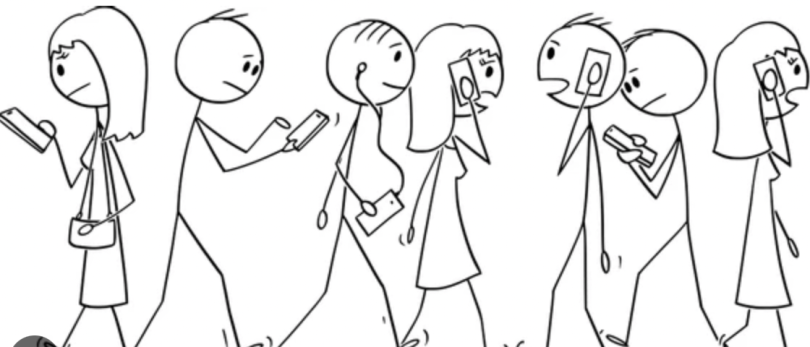
Modern dating feels harder than ever. From dating apps to emotional disconnect, here’s why relationships feel complicated in 2025 , and why real romance isn’t dead.
How Do We Meet People These Days , and Can We Still Find Something Real?
There was a time when meeting someone happened almost by accident. You’d bump into someone in the supermarket, catch a stranger’s eye in a coffee shop, (we all know this happens to me all the time lol) or be introduced through a friend, and romance seemed to unfold naturally. Our grandparents didn’t have dating apps, social media or an endless stream of profiles. If they found someone attractive, they simply had to talk to them or the moment would pass forever and sometimes I do wonder whether that made them braver. Not necessarily more confident, just more present in real life because they didn’t have another option.
These days, even if you see someone across a cafe whom you’re drawn to, you probably look away, second-guess yourself, or assume they’re unavailable. I’m the girl on a night out, who gets called ‘stuck up’ because I wear an engagement ring, when I’m single, and refuses to talk to anyone, and so be it, if people want to knock me for that, but I have this deep rooted personal issue, of not wanting to give people the wrong idea, and then when someone is attractive I’m too bloody shy to chat anyway, so apps have been for me the only way to truly meet someone.
Modern dating culture has conditioned us to believe that real-life connection is unusual, almost surprising, when not so long ago it was the most natural way people met. It’s not that our confidence has disappeared; it’s that the world around us has changed. Our social circles have become smaller, our work-life routines more insular, and the unspoken rule now is that if you’re single, you should be on a dating app.
In 2025, dating apps have become the dominant way to meet people. You match, chat, hope, and repeat. And while dating apps open doors, they also create complications. There’s choice overload, emotional burnout, lack of effort, and this strange feeling that everything has become disposable. Even though a large percentage of newly married couples meet online now, and around a third of adults have used apps, not all of them feel that deeper sense of connection or relationship satisfaction. In fact, some research suggests that couples who meet offline tend to feel more stable and more connected long term. So while apps give us access to more people, they don’t necessarily make it easier to find something meaningful.
What feels hardest in modern dating is how quickly things shift when two people start to genuinely like each other. You can meet someone amazing, feel a spark, be open and honest about how you feel, and suddenly the other person goes cold. It’s a pattern so many of us recognise now, and it hurts. Honesty, which should bring people closer, often seems to push one person away, And in 2025, people are terrified of being seen as “too keen,” “love bombing,” or “moving too fast,” so they hold their feelings back and hope the other person will magically intuit how they feel, and it all falls to shit! Sorry to be blunt but it does, ‘He’s not into me’ is what I think, and then as soon as I call it off, he’s like, ‘I really like you’ – TOO Late, i’ve checked out!
There are psychological and biological layers to this. When we meet someone who excites us, our bodies release dopamine and adrenaline the “new attraction” chemicals. It feels intense, addictive, hopeful. But after a few weeks, those chemicals naturally settle. If the connection doesn’t develop into deeper bonding — the oxytocin stage — the initial rush fades. Many women tend to become more emotionally invested during that bonding period, while some men may start feeling pressure, uncertainty or emotional withdrawal. It isn’t universal, but it helps explain why one person leans in while the other pulls back, and even the emotionally stable, can still be like this, I have seen men and women so incredibly self aware, not understand the biology of this period.
Then there’s the lifestyle side of modern dating. So many people say they want a relationship, yet their behaviour shows something different. They want the companionship, but not the compromise. They want closeness, but not change. We’ve normalised this idea of “this is my life — if you want me, you fit into it,” making relationships feel like something that must not disrupt personal freedom. The result? Many people like the idea of love far more than they like the reality of having to make space for it. Everyone these days is like “I love my own space”, “I enjoy my own company” – Great, good for you, but are you realising a real relationship that won’t fail = Adaptations, effort and change!
This is especially painful when you’re a giver. I know this personally. I’m a selfless person by nature — I care, I give, I show up for others emotionally and physically and because of that, people often take me for granted. I’ve experienced it in dating, friendships and even family. People get used to you being the one who understands, who adjusts, who nurtures, who comforts, who puts in the extra effort and they begin to rely on it without ever matching it. Takers are often drawn to givers because givers make their lives easier and givers, hoping for reciprocity, often hold on longer than they should. It’s a hard, painful imbalance that has become more visible in today’s dating world. I mean we are not going back to the Giraffe and Lion story, you don’t have to be a narcissist to feed off others…
It also ties into something else: fear of losing freedom. Modern dating has created a culture where people want emotional security without sacrificing independence. They want someone, but they don’t want to change anything about their life to accommodate that someone. They want connection, but not commitment that requires effort, and unless two people are equally ready to show up emotionally and practically, dating becomes an exhausting game of mismatched expectations.
But even with all of this, the apps, the fear, the disposability, the emotional imbalance, I do still believe romance exists. Not in a grand, cinematic way, but in the quiet, steady ways two people show up for each other. There are people who want to go above and beyond emotionally. People who want to care deeply, build a partnership, prioritise each other, and make their partner feel chosen and valued. These people are absolutely out there, even if they get overshadowed by the noise of modern dating apps, they could very well sat on dating apps, and they could be sat there with an inbox full, but waiting for someone like you, to show up!
The truth is, being on your own isn’t a failure. If anything, it’s where your strength grows. Being single gives you space to understand who you are, what you want, what you deserve, and what your boundaries are. Your independence becomes an asset, not a barrier. When you stand strong in yourself, you choose better. You stop tolerating less than you deserve. You recognise taking behaviour sooner. And you attract people who value your strength instead of draining it. You need to look in the mirror and love who looks back a you, love that person, and realise they need nurturing above anyone and all else. I make this a priority of mine, I look in the mirror or I take a selfie, and tell myself, Kerry you are worth more.. so do the same and never stop.
So yes, dating apps might be the main way to meet someone in 2025, and spontaneous real-life encounters might be rarer, however that doesn’t mean real love has disappeared. It means we approach dating with more awareness, more intention, and more self-worth. It means we stay open, but grounded. Hopeful, but realistic and it means we believe that the right person, whether found on an app, in a coffee shop, or through a friend, will match our effort, not take advantage of it. They will make space for us, not ask us to shrink. They will honour our giving nature, not drain it.
Romance is still alive. Good people do still exist. And no matter how complicated modern dating becomes, it’s always worth giving someone a chance when they show you they’re ready to show up too.
If we don’t keep taking chances , how will we ever know…
 The Girl Who